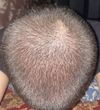
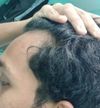
The conversation is about dealing with hair loss, with the original poster deciding to start using topical finasteride and minoxidil after unsuccessful PRP and Regenera treatments. Others share their experiences with hair loss, treatments, and the importance of finasteride to prevent further hair loss.
The emotional and psychological impact of hair loss in young people, how to cope with it, and potential treatments such as finasteride, RU58841, Minoxidil, SMP, and hair transplants.
The conversation discusses treating male pattern baldness in a transgender woman using cyproterone acetate, finasteride, and biotin. The original poster shared their experience for others who might be in a similar situation.
A non-binary individual experienced hair loss after stopping hormone replacement therapy and is using oral Dutasteride, oral Minoxidil, and ketoconazole shampoo. They are hopeful for regrowth but may use wigs due to the high cost and uncertain effectiveness of additional treatments like mesotherapy and PRP.
A 27-year-old male is experiencing hair loss and dandruff, despite trying various treatments like cortisone, diflucan, and natural remedies. He is considering shaving his head and is seeking advice on the "Big 3" treatment, which includes Minoxidil, finasteride, and RU58841.
A trans woman is using finasteride, minoxidil, microneedling, and HRT to address hair loss, with noticeable improvement in hairline shape and presence of vellus hairs. She is considering hair transplants if these treatments don't yield desired results within a year or two.
A 23-year-old feels devastated by hair loss despite using Minoxidil and finasteride since age 18, and is advised to embrace baldness, improve physical fitness, and consider hair systems. The conversation emphasizes self-acceptance, confidence, and exploring new interests to improve mental well-being.
Scalp biopsies are crucial for diagnosing hair loss conditions like Diffuse Unpatterned Alopecia (DUPA) and retrograde hair loss, as treatments like finasteride and dutasteride may not be effective if other conditions are present. Combining PPAR-GAMMA agonists with retinoids could improve treatments for conditions like Lichen Planopilaris.
An 18-year-old noticed hair thinning at 17, started finasteride 5 months ago, and saw shedding stop but no regrowth. They suspect male pattern baldness due to family history and are concerned about thinning on the back and sides, possibly due to inflammation.
A 22-year-old experiencing intense hair loss across the scalp seeks advice, considering factors like nutrition and genetics. Suggestions include checking vitamin, mineral, and thyroid levels.
A 23-year-old male is experiencing rapid hair thinning and receding hairline, feeling emotionally drained. He has tried GFC, PRP, ketoconazole shampoo, and supplements without improvement and is considering minoxidil, finasteride, and possibly a hair transplant.
A 19-year-old discusses feelings of envy towards men with full heads of hair, sharing their experience with hair loss since age 16. They have been using oral minoxidil and topical finasteride for two years, with initial improvement but continued shedding, and are considering switching to dutasteride.
A 32-year-old male noticed accelerated hair loss after turning 30 and has been using minoxidil and finasteride with breaks, but stopped finasteride due to concerns about side effects. He is considering alternatives like topical treatments, ketoconazole shampoo, and possibly a future hair transplant.
Hair loss in a 3-year-old, with various treatments discussed such as minoxidil, finasteride, dutasteride, RU58841 and biotin supplementation. Some people suggested shaving the head and growing a beard or getting a partial hairpiece instead of attempting to treat it.
A user shared their experience with hair loss treatments, including topical minoxidil, finasteride, RU58841, and microneedling, noting significant hair regrowth except at the hairline. They plan to start oral minoxidil and switch to a combination treatment, while another user mentioned that some miniaturized hairs may not fully recover.
Hair loss treatments discussed include Minoxidil, finasteride, and RU58841. The conversation humorously reflects on past hair loss solutions and the potential of hair cloning.
A teenage girl who has been diagnosed with ADA and is struggling with hair loss, which has caused her to lose confidence. She is looking for recommendations on treatments such as finasteride or Minoxidil, and lifestyle advice including vitamins and other supplements that might help with the issue.
How diffuse unpatterned alopecia (DUPA) is not an invitation to self-diagnose oneself with aggressive AGA and that seeking a specialized dermatologist may help people experiencing hair loss. Treatment options discussed include topical clobetasol propionate, oral minoxidil, and discontinuing finasteride.
Hair follicle stem cells remain in bald individuals, but progenitor cells do not, raising questions about hair regrowth claims by Pelage. PP405 is discussed as a potential treatment, with skepticism about its effectiveness compared to existing treatments like Minoxidil and Finasteride.
A 36-year-old is concerned about early hairline recession despite no family history of hair loss. They are considering treatments like finasteride, minoxidil, and ketoconazole shampoo but are worried about potential side effects and are seeking natural alternatives.
The user has been experiencing hair loss since the age of 16 and has tried various treatments including minoxidil, finasteride, RU58841, microneedling, and keto 2%. Despite these efforts, there has been little improvement in hair growth. The user is considering other options such as dutasteride, perilutimide, or a hair transplant in the future, but for now, they are accepting the shaved look and focusing on personal growth and school.
A 20-year-old is dealing with male pattern baldness and considering finasteride despite concerns about side effects. Users recommend treatments like minoxidil, dutasteride, and lifestyle changes, stressing early intervention.
Hair transplants can initially yield good results, but native hair is more reliable, and transplanted hair may still be lost over time. Early intervention with treatments like topical finasteride and minoxidil is recommended, but it's important to start with lower doses and manage expectations realistically.
Hair loss discussion with a focus on a single resilient hair, jokingly called "chad hair," that remains despite hairline receding. Some users suggest microneedling and hair follicle cloning as potential treatments.
There is no permanent cure for hair loss; treatments like finasteride, minoxidil, and hair transplants require ongoing use and are not universally effective. Genetic complexity and financial incentives for ongoing treatments hinder the development of a definitive cure.
The conversation is about a 17-year-old experiencing severe hair thinning and the advice given is to see a dermatologist or doctor to check for underlying health issues or to start treatment early if it's male pattern baldness.
People are discussing why barbers often don't mention their clients' hair loss, with some sharing personal experiences where barbers did suggest treatments like finasteride (Fin) or mentioned the possibility of hair transplants. Some barbers avoid the topic to not offend clients, while others openly discuss it and recommend treatments or acknowledge the issue when asked.
User noticed thinning hair at 18-19, started finasteride at 22 and minoxidil at 24, with positive results. Others shared hair loss experiences and treatments, including finasteride, minoxidil, and hair transplants.