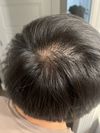
30 y/o male started balding at 22, began treatment at 29 using oral dut, oral min, derma rolling, nizoral shampoo, and considering low level light therapy. Plans to monitor progress for 1-2 years and may get hair transplant or use hair system if needed.
Body hair is more resilient than scalp hair due to different gene expressions and DHT sensitivity. Treatments like minoxidil and finasteride are used for hair loss, but they have varying effects on body and scalp hair.
The user is frustrated with ongoing hair loss despite using treatments like dutasteride, finasteride, and minoxidil, and is considering shaving their head. They are advised to maintain consistency with medication, consider oral minoxidil, and explore hair transplant options.
A 21-year-old from Germany is experiencing a receding hairline and is considering treatments like Finasteride and Minoxidil. They are unsure whether to consult a general practitioner or dermatologist and are concerned about being taken seriously due to their age.
Finasteride and minoxidil are effective for hair growth, but increasing testosterone, even naturally with ashwagandha, may increase DHT, potentially affecting hair loss if predisposed to malepatternbaldness. Testosterone replacement therapy (TRT) can be beneficial for energy and muscle gain but may expedite hair loss if already prone to it.
Researchers are working on regenerating hair follicles using stem cells, but a cure for baldness is still years away. Current treatments mentioned include Minoxidil, finasteride, and RU58841.
The conversation discusses androgenic alopecia (AGA) and its treatments, focusing on finasteride, minoxidil, and ketoconazole shampoo. Finasteride is recommended as essential for preventing further hair loss.
Hair loss can cause psychological distress, but maintaining optimism and self-improvement is crucial. Treatments like minoxidil, finasteride, and potential new options like clascoterone offer hope, though side effects can occur.
Staying positive and managing stress may slow hair loss, but treatments like finasteride, minoxidil, and dutasteride are essential for managing malepatternbaldness. Stress can accelerate hair loss, but genetics play a significant role, and early treatment is crucial.
A 22-year-old male is experiencing a significant hair shed and a receding hairline despite being on finasteride for 14 months and minoxidil for 7 months, applied inconsistently on the temples. He is considering adding dutasteride to his regimen once a week.
The user is experiencing hair loss at the hairline and is using finasteride, but considering minoxidil due to lack of improvement. Replies suggest that minoxidil may be more effective for hairline maintenance, especially when used in combination with finasteride.
The conversation humorously discusses hair loss and its treatments, specifically mentioning Minoxidil, finasteride, and RU58841. It highlights a transformation from hairline recession to significant hair regrowth.
Hair loss in men is primarily caused by androgenetic alopecia, with treatments like finasteride and dutasteride often recommended. Other causes include stress, nutritional deficiencies, medications, and scalp infections.
A woman is concerned about her husband's hair thinning and researches treatments like finasteride and minoxidil. He decides against medication due to potential side effects and plans to shave his head if necessary.
The conversation is about hair loss affecting motivation to work out. The original poster is using dutasteride and minoxidil and is considering a hair transplant.
The conversation humorously discusses hair loss treatments, suggesting minoxidil, finasteride, dutasteride, nizoral shampoo, and various unconventional methods. It also includes jokes about hairlines and the effectiveness of these treatments.
Androgenetic alopecia is caused by DHT affecting hair growth. Finasteride and minoxidil are used to manage hair loss by blocking DHT and promoting hair growth.
A 21-year-old has been using finasteride and minoxidil for 2.5 years without improvement in hair loss. They also tried RU58841, rosemary oil, and biotin, but none were effective.
The user has been experiencing hair loss since having COVID and has low vitamin D levels; they are seeing some improvement in their crown and hairline after starting vitamin D supplements. Commenters suggest the hair loss pattern is consistent with malepatternbaldness (MPD) and varies by individual.
The user shared their successful hair regrowth using oral finasteride, minoxidil foam, a custom topical solution, ketoconazole shampoo, and microneedling, resulting in significant improvement at the crown. However, they experienced hairline recession after switching to a topical solution with finasteride and minoxidil, raising concerns about its effectiveness.
After stopping finasteride, the user retained hair without noticeable balding, suggesting an unusual reaction to the medication. The user initially experienced rapid hair loss and itchiness, possibly due to malepatternbaldness, but maintained hair stability after tapering off finasteride.
A woman experiencing hair loss, exacerbated by wearing a hijab, is seeking advice for her upcoming wedding. She has tried various treatments, including minoxidil, finasteride, and stem cell therapy, and is considering using hair fibers and extensions to cover her scalp.
A 24-year-old scaled his company to over $100k MRR but experienced hair loss, attributing it to stress and genetics despite using treatments like Dutasteride and Minoxidil. Many suggest embracing baldness, focusing on health, or considering additional treatments like Finasteride, while others debate the impact of stress versus genetics on hair loss.
A 23-year-old is experiencing hair that is thick at the ends but thin at the roots despite using minoxidil and finasteride for 10 months. They are concerned about whether this is normal or a sign of miniaturization and seek advice on reversing or improving the condition.
A 32-year-old male shares his 7-month hair regrowth progress using 1 mg finasteride daily, 5% minoxidil twice daily, dermarolling every four days, 1.5% ketoconazole shampoo every three days, and zinc and vitamin D supplements initially. He applies minoxidil primarily to his temples and hairline, avoiding the crown, and reports significant improvement in diffusive thinning.
User fought hair loss with Derminator microneedling, topical and oral minoxidil, and a 2000 FUE hair transplant. Derminator was a game changer, preventing further loss.
Hair loss affects confidence, with discussions on treatments like finasteride, minoxidil, and RU58841. Emphasis is placed on self-acceptance and building confidence beyond appearance.
A user is starting a topical finasteride treatment for diffuse patterned alopecia, having previously used minoxidil without success. They are cautious about side effects and have chosen topical over oral finasteride, while also using Nizoral and biotin in their routine.
The conversation discusses unconventional methods for hair regrowth, including scalp trauma like burning or microneedling, and compares them to treatments like Minoxidil and Finasteride. It highlights skepticism about these methods and the body's unpredictable healing responses.