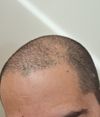
Beard to scalp hair transplants can provide 12,000-15,000 grafts for coverage, with fast recovery time. However, beard hair may grow curly and not suitable for frontal areas.
A user shared progress pictures 7.5 months after a hair transplant of 6350 grafts in Turkey, using 6% minoxidil and 0.05% finasteride. They are satisfied with the results but note some thin areas.
Use minoxidil and finasteride for 1-2 years to promote regrowth and stabilize hair loss before a transplant. Long-term use of these medications is needed to maintain results and prevent further loss.
The conversation is about whether stemoxydine can shorten the dormant phase after a hair transplant, known as the ugly duckling phase. There is skepticism about whether it actually works as claimed.
Verteporfin is being explored for hair regeneration, with unofficial trials and updates shared online. Efforts are being made to encourage more surgeons to trial verteporfin for donor hair regeneration.
A user has been using dutasteride and oral minoxidil for hair loss with no change and is considering a hair transplant at age 22. Replies suggest that a transplant is possible if DHT blockers like finasteride are continued, and another user shared a positive personal experience with a transplant at age 20.
The conversation discusses whether Harry Styles had a hair transplant, with opinions divided on whether he changed his hairstyle or underwent a procedure. It also touches on the use of medication and surgery as treatments for hair loss.
A user experienced significant hair shedding and thinning 10 months post-hair transplant despite using minoxidil and topical finasteride. They are considering switching to oral finasteride or dutasteride and are also dealing with scalp conditions like seborrheic dermatitis.
A user proposed genetically engineering scalp stem cells to stop androgen receptors from causing hair loss. Others discussed the feasibility, existing research, and potential issues with this approach, including targeting the correct cells and unintended effects.
A 24-year-old is experiencing aggressive hair shedding despite past success with mesotherapy and minoxidil, and is considering adding treatments like Expecia, dermapen, or a hair transplant. Many suggest using finasteride to maintain hair, as it is necessary even after a transplant, and side effects are rare and reversible.
Dr. Bloxham's trial is testing verteporfin on hair transplant patients to see if it can improve hair regrowth in treated areas. People are discussing the potential for follicle regeneration, expected results timeline, and concerns about side effects like cancer.
The user switched from finasteride to dutasteride and experienced heavy hair shedding around six months in, affecting even transplanted hair. They are seeking others' experiences with similar shedding after switching medications.
Hair transplants and hair loss treatments like oral Fin and Min are discussed, with some humor about public figures' hair. Missing a single day of these treatments typically has little impact, but longer gaps can affect results.
The conversation humorously suggests using immunosuppressants like ciclosporine and oral minoxidil for hair regrowth, with a satirical plan involving hair transplants from family members. It highlights the side effects and impracticality of such treatments, emphasizing the post's satirical nature.
A user shared an 8-month update on their hair transplant surgery, which used 1800 grafts for aesthetic refinement, resulting in a natural-looking hairline and improved confidence. The procedure was performed by Dr. Abhinav Kumar, and the user is pleased with the results.
The user had a hair transplant and is using oral minoxidil and finasteride but seeks advice for treating the crown area. They are looking for additional recommendations for non-transplanted areas.
The user underwent a hair transplant with 3500 grafts and has been using Finasteride and Minoxidil for 5.5 months, seeing some growth. They plan to have a second transplant for the crown area and are seeking opinions on future results and density improvement.
A user shared progress pictures one year after a hair transplant with 2,000 grafts on the crown area. They use topical minoxidil and finasteride daily, along with biotin supplements.
Transitioning genders humorously suggested for hair regrowth, noting some transgender individuals experience this. Discusses treatments like minoxidil, finasteride, and hormone therapy, but advises against transitioning solely for hair regrowth.
The conversation discusses the use of hair systems as a solution for hair loss. Users share their experiences, highlighting the natural look, confidence boost, and maintenance requirements of hair systems, while also addressing concerns about cost, stigma, and potential drawbacks.
The conversation is about a user sharing their hair transplant results and seeking feedback. They are taking finasteride, minoxidil, oral minoxidil, vitamins, and using special shampoo to maintain their hair.
ABS-201 shows promise for male hair regrowth by blocking the prolactin receptor, with higher expected efficacy than current treatments. The discussion also covers dosing differences between macaques and humans for hmi115, highlighting a significant dosage disparity.
The user is regrowing hair while using steroids by following a regimen that includes Rogaine, RU58841, Dutasteride, Nizoral, PGE2, and occasionally castor oil. Despite using harsh steroids like Tren, Masteron, and Proviron, the user reports successful hair regrowth.
The conversation is about a user's hair transplant progress using 3000 grafts with DHI technique, foam Minoxidil, Tretinoin, and Dutasteride after 5.5 months. Commenters are impressed with the results, noting significant improvement.
User shares 8-month hair transplant update with 3800 grafts, using Minoxidil and Xpecia. Others express amazement at results and discuss costs and procedures.
The user is pleased with their hair transplant results after nearly 7 months, noting thicker, longer, and stronger hair with good coverage and full donor recovery. They are using oral minoxidil and finasteride.
A user is considering switching from oral to topical finasteride to reduce systemic DHT impact and is exploring ethossomal finasteride for better skin penetration and potential hair regrowth. They found ethossomal finasteride in Brazil and are seeking opinions on its effectiveness compared to other topical delivery methods.
Hair regrowth in transfems is more effective due to hormonal changes, specifically estrogen, which keeps hair in growth phase longer. Treatments mentioned include anti-androgens, sex hormones, and DHT blockers like finasteride.
Exosome treatment for hair loss, derived from umbilical cord stem cells, is being considered as an option before a hair transplant. Users discuss the need for ongoing maintenance and share experiences with different exosome sources, including plant-derived options.