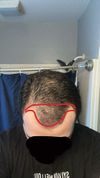
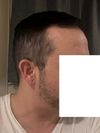
The conversation discusses the appearance of hair transplants immediately after surgery, noting that scars will be covered as hair grows. The original poster underwent both FUT and FUE procedures.
Tressless GPT is now free and accessible for hair loss advice. Treatments discussed include Minoxidil, finasteride, RU58841, dutasteride mesotherapy, topical melatonin, microneedling, and rapamycin.
A 32-year-old man had a successful hair transplant in Atlanta, using 1mg finasteride and 5% topical minoxidil daily, which greatly improved his confidence and appearance. He spent about $13,000 and is very satisfied with the youthful results and increased happiness.
The potential of using Verteporfin to prevent hair loss scars and possible regrowth, with two doctors currently testing it, although the price of a 15mg bottle is expensive.
Using finasteride and peptides, including GHK-Cu, improved hair thickness and regrowth. The user also used a KLOW blend and CJC/IPA for better sleep and recovery.
Hair transplants have improved significantly from the old "plug" method, which left unnatural results. Modern techniques by skilled doctors can achieve natural-looking hairlines.
A 36-year-old considering a fourth hair transplant is advised to either shave his head or use a hair system due to poor results from previous transplants and late medication use. He plans to consult top surgeons and adjust his current treatments, including finasteride and minoxidil.
A 27-year-old actor shared his positive experience with two hair transplant surgeries, highlighting the importance of customization and detail for a natural look. He is taking finasteride to prevent future hair loss.
A 30-year-old with Norwood 3V hair loss uses finasteride 1.25 mg every other day and Minoxidil (Regaine 5%) twice daily, experiencing no side effects with the current regimen. The front hairline remains unchanged, but the crown appears better in certain lighting.
Hair transplants for NW7 individuals are challenging due to limited donor hair, often resulting in thin coverage unless body or beard hair is used. Treatments like minoxidil and finasteride are mentioned to support hair density and growth.
The user underwent two FUT hair transplant surgeries with subpar results, leading to disappointment and continued use of Minoxidil, laser cap, dermaroll, and biotin. They advise thorough research before committing to hair transplants, especially for those with advanced hair loss.
A 31-year-old male considering returning to finasteride at a lower dose or using topical finasteride to assess his Norwood scale for a potential future hair transplant. He previously stopped finasteride due to side effects and has been shaving his head.
A person shared their hair transplant experience, mentioning complications like excessive bleeding and density anxiety, and is using finasteride and minoxidil chewables. They traveled to Turkey for the procedure, paid around $3800, and are considering Mexico for future treatments; nicotine use is a concern for their recovery.
A user shared their positive experience with Trichogenics for hair restoration, highlighting their unique zigzag hairline technique and personalized attention. They had 1700 follicles transplanted and praised the natural results.
The user is concerned about having a straight, low hairline after a hair transplant and is unable to take finasteride due to high estrogen and prolactin levels. They have used minoxidil with limited success and are considering further transplants to lower the hairline, while others suggest the risks of using up donor hair too quickly.
An 18-year-old is using a high-dose treatment for hair loss, including 2.5 mg dutasteride, topical minoxidil, and injectable GHK-Cu, despite minimal hair loss. Many users suggest reducing the dutasteride dose due to potential side effects and recommend starting with finasteride instead.
Microneedling may risk scarring, potentially complicating future hair transplants. Alternatives like tretinoin with minoxidil are suggested for better hair growth.
The conversation is about the effectiveness of finasteride (fin) in preventing hair loss after a hair transplant. Some users have experienced hair thinning and loss after stopping finasteride, while others have had success with finasteride and minoxidil (min) in maintaining their transplanted hair. The general consensus is that finasteride is important for younger patients to prevent further hair loss.
PP405 may revive dormant hair follicles but is unlikely to help with long-term baldness where follicles are replaced by scar tissue. It is seen as a potential adjunct to treatments like minoxidil and finasteride, but its effectiveness on deeply fibrotic or scarred areas is doubtful.
A user shared their experience with DIY PRP scalp injections for hair regrowth, using an EZ Injector and other at-home equipment. Another user reported success with at-home PRP treatments for 1.5 years, noting thicker hair and a stable hairline.
The user shared their three-year progress using finasteride and minoxidil for hair regrowth before undergoing a hair transplant procedure. They plan to continue the medication post-procedure due to its success and did not experience significant side effects.
The conversation is about the anticipation and uncertainty regarding the release of GT20029 Phase 2 results for hair loss treatment. Users express hope for its effectiveness and minimal side effects compared to other treatments like Pyri and HMI115.
A user shared their positive experience with a hair transplant in Istanbul, specifically for afro hair, and mentioned having no regrets 9 months post-operation. The user also noted that they got braids after doctor approval, sparking mixed reactions about the potential impact on hair health.
The user is unhappy with the results of a FUT hair transplant from 2021, noting uneven hair texture and persistent thinning. They are considering a FUE procedure and have been using finasteride for a year, previously used minoxidil, and currently use Toppik for concealment.
The user experienced significant hair shedding and dryness after starting minoxidil 8 months post-hair transplant, despite using finasteride and oils like castor and pumpkin seed oil. They expressed concern over the loss of density and the appearance of a failed transplant.
The user is considering continuing minoxidil and microneedling, possibly adding low-dose topical finasteride, and undergoing a large FUE hair transplant to improve hair appearance. They plan to use hair fibers for added density, aiming for a convincing cosmetic look rather than full density.
A user suggests that deeper microneedling with Verteporfin injections might help regrow hair in areas with scar tissue, alongside a DHT blocker. Another user explains that hair loss might be due to reduced Wnt/β-Catenin signaling and suggests that treatments like Minoxidil, Finasteride, and microneedling could potentially reverse it.
A 27-year-old shared their hair transplant journey after using minoxidil and dutasteride for nearly four years. They underwent a 2600-graft surgery in London, costing £6450, and plan to switch to oral minoxidil during recovery.
The conversation discusses concerns about microneedling potentially causing damage before a hair transplant, with users sharing their experiences and techniques. Specific treatments mentioned include using a dermapen at various depths and speeds, with some users advising against self-treatment.