Search
for
Sort by
Community Join
960-990 / 1000+ resultscommunity For those of you using GHK Cu peptide + microneedling, did you see results? How long did it take?
Users discussed using GHK-Cu and AHK-Cu peptides with microneedling for hair loss, noting some small changes after 7-8 weeks. They mentioned continued shedding but no widening of the part.
community MPB since 16. 31 now, recovering from PFS, and getting back in the game.
User experienced hair loss since 16, used Fin, Minox, and Nizoral with success but stopped due to side effects. Now using Pur D'or shampoo, Rogaine foam, scalp massages, volumizing spray, and dermarolling for hair maintenance.
community 2000 beard graft extracted with no visible scar
A user shared their experience with a beard-to-scalp hair transplant, noting no visible scars and improved hair density using finasteride and minoxidil. The conversation discusses the differences between beard and scalp hair, potential changes in hair texture, and the use of beard hair for increased scalp coverage.
community Koshine 1% application Amazon vs main site
The conversation discusses the application frequency of Koshine 1% for hair loss, with conflicting instructions between Amazon and the main website. The user is unsure whether to apply it once or twice daily.
community Bayer says drug research focus no longer on women´s health ( They dismissed HMI-115 because of their focus on women´s health
Hair loss treatments discussed include Minoxidil, Finasteride, and RU58841. Bayer dismissed HMI-115 due to focus shift away from women's health.
community TE turned into Scarring hairloss
The user experienced hair loss due to a crash diet and later developed scarring hair loss. They are now on finasteride, oral minoxidil, LDN, Zyrtec, and Oztela to reduce scalp inflammation and promote hair regrowth.
community Anyone using CB-03-01? What are you thoughts? How do you get it from powder to solution? What strength should be used?
The conversation is about someone considering using CB-03-01 for hair loss but has ordered finasteride, which they are hesitant to use. They are seeking advice on how to prepare CB-03-01 from powder form and the appropriate strength to use.
community Is this "Hair growth complex" pill from sons anything?
The conversation discusses the effectiveness of a "Hair growth complex" pill, with skepticism about its ingredients like saw palmetto and anagain. Users suggest saw palmetto may help slightly with DHT-related hair loss, but it's less effective than finasteride or dutasteride.
community The Korean began to suspect something. But they understood the mechanism to some extent. ( Cold shock therapy promotes hair growth in association with upregulation of cold-inducible RNA-binding protein and vascular endothelial growth factor)
Cold shock therapy may promote hair growth by stimulating follicular muscles and affecting stem cells. The exact mechanisms and full range of elements involved are not yet fully understood.
community Some more realistic 15 months fin+min results. No loss, but also basically no growth. HT unfortunately seems like the only option left at this point :/
User shared 15-month results using finasteride and minoxidil, showing no loss but minimal growth, considering a hair transplant. Replies suggest starting treatment earlier, continuing current treatment, or getting a transplant.
community RU58841, 8% HPLC-MS done by jano, they legit
The conversation is about testing the effectiveness of RU58841 for hair loss, with the user planning to increase their dose to 30 mg per day along with 20 mg of Minoxidil. The test results showed approximately 70 mg/ml, which the user considers a good result.
community How long are Pelage going to milk the phase 2a results of PP405?
PP405, a potential hair loss treatment, is facing delays in releasing Phase 2 results, causing frustration among users who compare it to past failed treatments. Despite skepticism, some remain hopeful about PP405's future, while others discuss alternative treatments like Clascoterone and its expected market release.
community Legit or Snake-oil Alike Service
Hair therapy advertisements claim to use a mix of fallopia multiflora, ginseng, angelica sinensis, and vitex rotundifolia for hair growth. A user dismisses it as fake.
community waiting for hope DIY pp405 guy that will save us😡😡😔
People are discussing the potential of a new hair loss treatment, pp405, and its approval timeline, comparing it to existing treatments like Minoxidil and finasteride. There is skepticism about its effectiveness and concerns about the time it will take for approval and availability, especially in Europe.
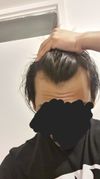
community 22M Considering Finasteride: Receding Hairline Concerns and Stability
A 22-year-old is considering starting finasteride for hair loss, questioning if their hairline is stable or if treatment is needed. They shared images of their hairline, which has been the same since their teenage years.
community Kintor's KX-826 Phase 2 data release is officially pushed back to September due to COVID:
Hair loss discussion includes treatments Min, Fin, and RU. Kintor's KX-826 Phase 2 data release delayed to September due to COVID.
community I'm considering scalp micropigmentation, has anyone here done it? If yes, did you regret it, how did it affect you?
User considers scalp micropigmentation (SMP) for hair loss. Mixed opinions shared; some regret it, others satisfied. Choosing reputable clinic and technician is important.
community Question about clascoterone acne cream
Clascoterone cream can be used on the scalp, but it may not be effective due to its dosage. AR antagonists like clascoterone are generally less effective than 5AR inhibitors for hair loss.
community HT / Meds results are reverting, thinning, crazy shedding..
A user experienced significant hair shedding and thinning 10 months post-hair transplant despite using minoxidil and topical finasteride. They are considering switching to oral finasteride or dutasteride and are also dealing with scalp conditions like seborrheic dermatitis.
community I recovered from Saw Palmetto sides (overdosed). What do you think about starting low dose Finasteride?
The user experienced severe side effects from overdosing on saw palmetto and is considering starting a low dose of finasteride for hair loss, despite concerns about similar side effects. Most responses advise against using finasteride due to potential risks, suggesting consulting a doctor and addressing underlying health issues first.
community Super happy, beyond my expectations. Definitely changed my life!
A user who underwent a hair restoration procedure with 3,478 grafts by Jason Sorgi in Massachusetts, costing $8,500. The user is also using finasteride and minoxidil post-procedure, and is very satisfied with the natural-looking and dense results.
community Normalize hair systems for men! If females can get extensions and wear makeup it should be socially acceptable for men to wear a hair piece
Men should feel socially accepted wearing hair systems, similar to how women use extensions and makeup. Treatments mentioned include minoxidil, finasteride, and hair transplants.
community Topical Saw Palmetto: An Alternative to Microdosing Topical Finasteride?
The user is exploring topical Saw Palmetto as a milder alternative to microdosing topical Finasteride for hair loss, aiming to minimize systemic DHT impact. They plan to experiment with this herbal remedy for a year to assess its effectiveness on their mild androgenetic alopecia without significant side effects.
community 4 months 5% foam min + finasteride - 20 years old
A 20-year-old user experienced significant hair regrowth after using 5% minoxidil foam and finasteride for four months, starting to see results after two months with no side effects. They also cut off damaged hair ends, wash their hair every other day, and advise managing stress to improve hair loss outcomes.
community topical finasteride: dissolving finasteride in "alpacin cafeine liquid"?
A user discusses using Alpecin Caffeine Liquid for scalp health and considers dissolving finasteride tablets into it for a DIY topical treatment. They inquire about potential absorption issues with this method.
community Feedback on My Multi-Step Hair Loss Strategy at Age 27
The user is considering continuing minoxidil and microneedling, possibly adding low-dose topical finasteride, and undergoing a large FUE hair transplant to improve hair appearance. They plan to use hair fibers for added density, aiming for a convincing cosmetic look rather than full density.
community Had anyone used peptides for help with regrowth?
Peptides like GHK-Cu are discussed for hair regrowth, with mixed results; some users report no regrowth, while others notice thicker hair. Topical application is common, and proper sourcing and mixing are emphasized.
community 16 month update post hair transplant and meds
The user is generally happy with their hair transplant results but has concerns about graft density and placement, particularly on the left temple and hairline. They are using finasteride and minoxidil inconsistently, plan to add Priorin, and are considering microneedling and PRP sessions for future care.
community Just a friendly reminder for all! PSA
Avoid burning or scarring the scalp for hair growth; instead, use treatments like finasteride, minoxidil, or consider a hair transplant. Microneedling should be done carefully, and extreme methods can cause harm.