Search
for
Sort by
Community Join
60-90 / 1000+ resultscommunity Injectable and biofunctionalized fibrin hydrogels co-embedded with stem cells induce hair follicle genesis.
community Would you continue to use Finasteride and Minoxidil once HMI 115 becomes available?
The conversation discusses the potential use of HMI 115 for hair loss and whether it could replace or be used alongside finasteride, minoxidil, and RU58841. The user is experiencing scalp inflammation and continued hair shedding despite using finasteride for 8 years.
community The likely cost of HMI-115, when it comes out
A new potential hair loss treatment called HMI-115, and the cost of this treatment which may be expensive due to production costs but could be competitive with other treatments such as hair transplants.
community Anyone used CB-03-01 (clascoterone), is it worth it, too risky??
The user experienced side effects from low-dose topical finasteride and is considering using clascoterone (CB-03-01) despite concerns about its risks and cost. They seek advice on its effectiveness and potential side effects compared to other treatments like alfatradiol and fluridil.
community Anyone used injectable GHK-CU or BPC157 for hair?
Injectable GHK-CU and BPC157 were discussed for hair loss, but users did not notice significant hair changes. BPC157 was noted to help with shoulder issues.
community CB-03-01 users come forward!
The conversation discusses the potential of a new hair loss drug, CB-03-01, with users sharing their experiences and seeking advice on dosages and application methods. One user mentions using topical finasteride, minoxidil, dermarolling, and a clean diet for hair maintenance but is interested in CB-03-01 due to side effects from finasteride.
community Will we ever hear about HMI -115
Hair loss discussion includes treatments Minoxidil, Finasteride, and RU58841. Update on HMI-115 clinical trial expected in July or August.
community SCUBE 3 (the last hair bender)
SCUBE3 and Amplifica's progress in hair loss treatment is being discussed, with inquiries about their current status and clinical trials. No specific updates or new information are provided in the conversation.
community Has anyone here actually tried HST (Hair Stem Cell Transplantation)? Looking for real experiences!
community Possible "Cure" For Pos Finasteride Syndrome
A user reported full recovery from Post Finasteride Syndrome after 6 months of HCG treatment. They used 250IU of HCG three times a week.
community M30/India : Tried GHK-Cu for Hairline. Sharing results
A user experienced side effects from finasteride and switched to using GHK-Cu for hairline improvement, noticing some positive changes after three months. They used a 2mg daily dose via subcutaneous injections and reported increased hair density and baby hairs, though results were not dramatic.
community What's going on with hmi115? The Phase 2 was concluded Nov2024 but no news
Hmi115, a prolactin receptor blocker, showed promise for hair growth, but results from Phase 2 trials have not been published. ABS-201, an AI-based analog, is expected to begin trials in December 2025, while commercialization of treatments like PP-405 is anticipated around 2027.
community Wasn’t hmi-115 phase 1 supposed to end in july? We’ve heard nothing so far
The conversation is about the delay in receiving updates on the HMI-115 phase 1 trial for hair loss. No specific treatments are mentioned in the conversation.
community Wanting to try topical AHK-CU/GHK-CU
community Clascoterone full results in July
Clascoterone's full trial results are expected by mid-July 2026, but skepticism exists about timely release. Clascoterone is available at 5% from some telehealth companies.
community 2-month HMI-115 results from the Chinese trial
HMI-115 shows promising hair growth and thickening in just 2 months. Results are positive but need more time for confirmation.
community Does anybody else have non-fin/min stacks that they feel are working?
The user is discussing their hair loss treatment stack, which includes CB-03-01, Fluridil, Alfatradiol, Cosmerna, microneedling, and Stemoxydine. They have seen some new hair growth but wish they could use finasteride.
community SCUBE3 IS A GO! Clinical trials planned for later this year
SCUBE3 clinical trials for hair loss treatment to start this year. Treatment may involve regular, painless scalp injections to maintain hair growth.
community Anyone tried GHK-Cu for hair loss?
GHK-Cu is being discussed as a potential treatment for male pattern baldness. Users are sharing experiences and asking about its effectiveness and side effects.
community 10 day hair transplant update - HLC Ankara - How we looking?
A 35-year-old had a hair transplant with 3,153 grafts at HLC Ankara, experiencing some pain and numbness but pleased with the density and results. The procedure cost $10,000, and the user has been using finasteride for over 13 years.
community Hope Medicine has a new CEO. Calling it now, he's probably going to axe HMI.
Hair loss discussion includes Minoxidil, finasteride, and RU58841 treatments. Hope Medicine has a new CEO, possibly leading to HMI's termination.
community Janoshik tests of Actifolic RU-58841 powder and GhK-Cu peptide
Actifolic RU-58841 powder and GhK-Cu peptide were tested and found to be accurate. The user is satisfied with the product's authenticity for hair loss treatment.
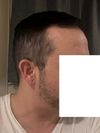
community Happy to see this result in 6th month, HT done in LHC
The user is pleased with their hair transplant results after six months and seeks feedback. The conversation is positive, with others affirming the success of the procedure.
community Experiencing Scalp Irritation from HIMS Spray/Serum After 6 Months on Fin 0.3/Min 6%
The user experienced scalp irritation from a Finasteride and Minoxidil spray and serum. They are considering switching to foam, oral treatments, or another provider.
community Can HMI-115 reverse miniaturization?
HMI-115, a potential treatment for hair loss that can reverse miniaturization and make individual hairs thicker, as evidenced by data from macaques given the treatment and one subject in the phase I trial.
community Hydrophobic Finasteride. Why don’t we have it?
The conversation discusses the potential benefits of creating a hydrophobic version of finasteride to reduce systemic side effects while maintaining scalp health. It compares this idea to fluridil, which is designed to be hydrophobic and has less systemic absorption.
community Good news for stem cells hair therapies - US federal judge: using patients' stem cells does NOT fall under FDA jurisdiction
A US federal judge ruled that using patients' stem cells for medical treatments is not under FDA jurisdiction, potentially speeding up development of stem cell-based hair loss therapies. Some users are optimistic about increased research and development, while others express skepticism about the ruling's impact on safety and efficacy standards.
community Are there any active Group Buys (dischord or other forums) for HMI 115?
Hair loss discussion includes treatments Minoxidil, Finasteride, and RU58841. HMI 115 shows anecdotal success in Phase I trial, users seek group buy for research chemical.
community Somebody has gotta try this- HMI-115 reference anti-body
The potential of using a specific antibody, HMI-115, as a treatment for hair loss alongside traditional treatments such as minoxidil and finasteride. The user suggests trying either a 240 mg or 30 mg dose to see if it works.