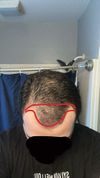
A user shared a hair growth stack using minoxidil sulfate, valproic acid, bimatoprost, blue copper peptide, and other ingredients, emphasizing a gel-based formula for better skin tolerance. Another user suggested adding a 5-alpha-reductase inhibitor like finasteride or dutasteride for more effective long-term results.
Adipose-derived stem cell secretome showed significant improvement in hair density and growth, especially when combined with minoxidil, suggesting a synergistic effect. The study had limitations, including a small sample size and potential bias.
A user shared a 6-month hair loss progress update using 1 mg finasteride, plans to start minoxidil and RU58841 due to severe shedding, and seeks advice. Others suggest maintaining treatment, switching to different medications, and considering more aggressive treatments due to strong genetic predisposition to baldness.
The conversation is about using DIY copper peptide (GHK CU) serum for microneedling to address hair loss, with additional treatments including Nizoral for DHT reduction and red light therapy. The user is considering adding Minoxidil but is concerned due to having cats.
A 31-year-old male shared his 4.5-month progress using finasteride, topical minoxidil, and dutasteride mesotherapy for hair loss, showing significant improvement in crown density and overall hair texture. He reported no side effects and plans to continue the treatment to assess further results.
A 20-year-old with stage 3 hair loss saw good results using Topical Min 5%, Oral Fin 1mg, DHT Blocker Shampoo, and DHT blocking and Vitamin gummy. The doctor advised stopping Fin after six months due to hormone concerns, but the user is hesitant.
A 33-year-old man shares his positive hair regrowth results using 1mg finasteride daily, 5% topical minoxidil twice daily, and a 0.5mm dermaroller weekly. He feels more confident and encourages others to try the routine despite potential side effects.
The post and conversation are about the user's high testosterone levels and their worsening hair loss despite trying various treatments. They are considering using low doses of anti-androgens to lower their testosterone levels as a potential solution.
A hair transplant without using finasteride or similar medications may lead to unnatural results and further hair loss. Financially capable individuals are advised to stabilize hair loss with medication before considering a transplant.
A user shared their experience 7.5 months after receiving 3950 hair grafts at Sule Hair Transplant in Istanbul, Turkey, with positive feedback on the transformation. The discussion included costs, recovery time, and the use of medications like finasteride and minoxidil post-transplant.
OP asked if Alfatradiol 0.1% can maintain hair after a transplant. Responses suggest using stronger treatments like finasteride or micro-dosing oral finasteride instead.
Hair loss progress after 12 months using minoxidil, finasteride, and microneedling. Goal is to maintain and improve hair until old enough for hair transplant.
KX-826 is undergoing Phase III trials in China as a potential treatment for male pattern baldness, with some users considering it as an alternative or addition to finasteride and dutasteride. Opinions on its effectiveness vary, with some users reporting positive results and others finding it expensive and ineffective.
A user shared their positive experience with a hair transplant performed by Dr. Bekir Bek in Ankara, involving 3,897 grafts. They stopped using minoxidil and finasteride before the procedure but restarted finasteride afterward and plan to reintroduce minoxidil in a few months.
The user reported slight improvement in hairline using 1% Clascoterone cream over three months but found it too costly to continue. They expressed interest in trying a 5% concentration if it becomes available at a reasonable price.
PP405 shows initial promise for treating androgenetic alopecia, with safety confirmed in early trials, but skepticism remains due to limited data. Further trials are needed to determine its true efficacy and potential market impact.
A 28-year-old is experiencing hair loss despite using treatments like oral minoxidil, finasteride, and high-dose dutasteride (2.5 mg). They suspect lichen planus might be contributing to the issue and plan to continue treatment while monitoring progress.
A user successfully regrew hair using 1mg Finasteride daily, 5% topical Minoxidil 1-2 times a day, and weekly derma stamping, with no side effects. Others shared their hair loss struggles and interest in these treatments.
The post discusses a 21-year-old male's successful hair regrowth after 80 days using 0.5mg of oral finasteride daily, 1ml of Minoxidil twice a day, and a 0.25mm derma roller twice a week. The comments encourage him to maintain the regimen to prevent hair loss again.
A 25-year-old male shared his 10-month hair regrowth progress using oral finasteride, oral minoxidil, a 5% liquid spray, keto shampoo, and supplements like vitamin D, biotin, zinc, and magnesium. He reported improved hair thickness and health, especially on the sides, and is considering starting microneedling.
HMI-115, a potential treatment for hair loss that has been reported to produce significant regrowth in bald areas. It is the closest thing to a cure currently available and has raised hope that it could make hair transplants obsolete.
A person with Alopecia Areata on their beard is using CB-03-01 and oral minoxidil for treatment. Some users question the effectiveness of CB-03-01 for beard hair, suggesting that minoxidil alone may be responsible for any observed hair growth.
PP405 is a topical gel being tested for hair regrowth in adults with androgenetic alopecia. Volunteers aged 18-55 are needed for a 16-week trial in several US locations.
A 26-year-old male with grade 3 hair loss is using 2.5 mg oral minoxidil, 1 mg finasteride, 5% minoxidil, ketoconazole shampoo, and kLM d3. He plans to post progress pictures every 6 weeks and is seeking suggestions.
The user has been using topical Minoxidil and finasteride for 5 months without seeing regrowth, despite ideal blood test results. They are seeking advice on what to do next due to frustration with continued hair loss.
The user underwent a hair transplant in Boston, initially dissatisfied with the results, but later achieved significant improvement in hair density and natural appearance after consulting a different surgeon. They used finasteride, minoxidil, and low-level laser therapy as part of their treatment.
An 18-year-old with Norwood 2 hair loss is considering finasteride treatment. Bloodwork shows testosterone and hormone levels mostly within normal ranges, except for low estradiol.
A user shared their baseline bloodwork results before starting Finasteride 1mg every other day, seeking comparison with others who have done similar tests. They are interested in any changes observed after beginning the treatment.