Search
for
Sort by
Community Join
570-600 / 1000+ resultscommunity Combining spironolactone with koshine?
Combining spironolactone with koshine might enhance the effect of blocking androgen receptors for hair loss treatment. The user suggests adding crushed spironolactone pills to koshine.
community Topical solutions combining minoxidil and finasteride?
A user is seeking advice on creating a topical solution combining minoxidil, finasteride, and tretinoin for hair loss, and is unsure about optimal concentrations and availability. Another user shares their custom formula with tretinoin 0.015%, finasteride 0.025%, and minoxidil 5%, and mentions taking oral dutasteride 0.25mg daily.
community Castor oil home brews and regimens?
Using castor oil, coconut oil, rosemary, tea tree oil, peppermint oil, and other essential oils for hair loss prevention. Emu oil and derma rollers are also discussed, with caution advised for coconut oil's comedogenic properties and taking castor oil orally.
community Does anyone know what % of DHT does topical azelaic acid blocks?
The conversation is about the effectiveness of topical azelaic acid in blocking DHT for hair loss treatment. Specific treatments discussed include Minoxidil, finasteride, and RU58841.
community Minoxidil, RU58841, CB-03-01, WAY-316606, and derma stamping.
The user is using Minoxidil, RU58841, CB-03-01, WAY-316606, Ketoconazole, MK-677, and derma stamping to treat hair loss and has noticed new hair growth, especially around the temples and hairline. They apply different treatments at various times of the day and have seen improvements in skin condition and body hair texture.
community Creating Your Own Topicals: A Guide
Creating a carrier solution for topical hair loss treatments using ethanol, propylene glycol or glycerin, and instructions on creating topical finasteride. Different recipes are provided with varying ratios of alcohol to humectant.
community Any good experiences with Alfatradiol ?
Alfatradiol is discussed as a weak 5ARI and estrogen, not as effective as minoxidil, RU58841, or CB-03-01, but a safe alternative for those who can't use finasteride. Users express frustration over the lack of strong FDA-approved topical antiandrogens for hair loss.
community Olumiant alternative for Alopecia Areata?
A user with alopecia areata is considering treatment options like injections or Olumiant but is concerned about cost and whether delaying treatment will lead to permanent hair loss. They are seeking alternative treatments that are more affordable for a college student.
community Making an all in one topical: is it possible and has anyone done it?
A user is considering creating an all-in-one topical solution for hair loss, combining 0.25mg finasteride, 5% minoxidil, and 5% RU58841. They are seeking advice on its feasibility and absorption.
community Galenic lotion. Science behind the components
A user is considering a hair loss treatment lotion containing minoxidil, adenosine, caffeine, melatonin, and azelaic acid, questioning the interaction between caffeine and adenosine receptors. Another user suggests adding a topical anti-DHT ingredient like spironolactone, noting it should not be taken orally by men.
community 11 months oral miraclegro, 9 months topical roundup, 10 months spectracide, 6 months Cow Dung mesotherapy + weekly Foot stepping session
The conversation humorously discusses hair loss treatments, mentioning "oral miraclegro," "topical roundup," "spectracide," "Cow Dung mesotherapy," and "weekly Foot stepping sessions." The user jokingly considers switching to "weed and feed" as a treatment.
community Going from ingesting topical minoxidil to oral tablets?
community Topical Finasteride with rogain foam as solvent
The conversation discusses using Rogain foam as a solvent for topical finasteride due to an allergy to propylene glycol. The foam's ingredients, including alcohol SD 40B, are considered suitable for dissolving finasteride for easier application without skin irritation.
community Which Ingredient is causing Burning Red Scalp?
The conversation is about identifying the cause of a burning red scalp from a topical hair loss formula. Retinoic acid and ethyl alcohol are suspected irritants, with retinoic acid being considered for removal.
community Adding topical dutasteride to my stack
A 38-year-old woman has been using oral Dutasteride for a year without improvement and is now adding a topical solution containing Minoxidil, Dutasteride, Tretinoin, Ketoconazole, and Hydrocortisone. She is seeking advice on whether switching from oral to topical Dutasteride could prevent hair shedding.
community New Study and Product: Tomorrowlabs HSF
New product Tomorrowlabs HSF targets hair loss through HIF pathway indirectly by removing scalp iron. Minoxidil and Stemoxydine also relate to HIF pathway.
community Mixing stemoxydine and pre mixed ru58841
User asks if mixing RU58841 solution with Serioxyl is okay for better scalp coverage and worries about reduced effects.
community 4 Month Post Hair Transplant Update. Hermest Hair Clinic (Istanbul) Dr. Ahmet Murat
A user shared their 4-month post-hair transplant progress, noting they use oral minoxidil, oral finasteride, biotin pills, and a hair repair serum. They are pleased with the results and hope for increased hair density.
community Bought Koshine x826 - Used RU, Fluridil, Fin, DUT - No shill
OP bought Koshine x826 and plans to update on its effectiveness, currently using fluridil. OP couldn't tolerate RU or DUT, while another user mixes Dutasteride with Koshine x826 weekly without side effects.
community Looking to make my own 2-Deoxy-D-ribose. Any science bros can give advice?
A user is making a 2-Deoxy-D-ribose solution and asks if it can be put into an oil instead of a gel, considering adding hydrocortisone and retinoic acid. They seek advice on the best carrier oil for hair growth.
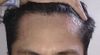
community M31. Should i continue with min + tretinoin or i should go for a HT on the temples?
The user is using dutasteride, oral minoxidil, and topical minoxidil with tretinoin for hair loss. They are considering whether to continue this treatment or opt for a hair transplant for their temples.
community Do botanical oils actually improve absorption in a minoxidil and finasteride topical?
community Topical finasteride vs RU58841 vs KX826
community Tretinoin & Minoxidil application
Using Tretinoin with Minoxidil may increase Minoxidil's absorption and improve hair growth results. The user is seeking advice on how to apply both treatments effectively.
community Oral Biotin and Topical Minoxidil have a synergy effect in increasing hair growth, the study was only done in healthy subjects and it was only 14 days but it does prove that biotin can play a significant role as an adjunct treatment.
Oral biotin combined with topical minoxidil may increase hair growth rate, though the study was limited to healthy subjects and did not measure hair density. Some users report personal benefits from biotin, such as faster nail growth and healthier hair, but concerns about acne and study quality were also mentioned.
community Anyone have experience with Niacinamide serum on the hairline?
A user is considering using niacinamide serum on their hairline to address dandruff and itching caused by minoxidil. They seek advice on the frequency of application.
community looking for a pure high molecular weight hyaluronic acid for scalp after microneedling
The conversation is about finding a pure high molecular weight hyaluronic acid for the scalp after microneedling. A user suggests using a product from The Ordinary.
community Mintop Yuva 5 Review
Dr. Reddy's Mintop Yuva 5 Minoxidil uses benzyl alcohol instead of ethyl alcohol or propylene glycol. The user is inquiring if this formulation causes dandruff or skin peeling and if its efficacy is affected.
community Question regarding Topical finasteride solution
A user is using a topical spray containing Finasteride 1% and Minoxidil 5% along with other ingredients like glycerin and aqua, questioning if these are effective carrier agents. They apply it once daily and use a separate 5% Minoxidil solution at night.