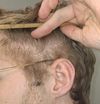
A transwoman is struggling with hair loss despite using hormones, dutasteride, and Abiraterone, and is considering making her own treatments due to difficulty accessing them. She has also tried Eucapil and regularly uses Nizoral shampoo.
A female user in her mid-20s with androgenetic alopecia and suspected telogene effluvium who has been taking Dutasteride, Spironolactone, Minoxidil, Dermarolling, Ketoconazol shampoo, and Yaz contraception for her hair loss for the past 6 months. She had a small shed during this time that she believes to be stress related.
Ashwagandha may increase testosterone, which can convert to DHT and potentially affect hair loss, but using dutasteride should mitigate this concern. Users suggest that occasional Ashwagandha use is unlikely to impact hair loss significantly when on dutasteride.
The conversation discusses using finasteride, dutasteride, RU58841, and testosterone to combat hair loss and block DHT, with some users expressing concerns about side effects and vegan options for medication. The discussion also touches on personal experiences with hormone treatments and the desire to maintain a youthful appearance.
After nearly four months on finasteride, a user noticed improved hair quality but developed nipple puffiness, suggesting early signs of gynecomastia. They considered switching to other treatments like CB-03-01 or RU58841 and contemplated consulting an endocrinologist about aromatase inhibitors.
High-dose Dutasteride slightly reduces scalp itch, but adding RU58841 eliminates it completely. Some users report reduced itchiness and oiliness with Dutasteride, while others find topical anti-androgens more effective.
The user added 0.5mg dutasteride to their regimen of topical finasteride and minoxidil but experienced rapid hairline recession despite reduced hair fall. Suggestions included increasing the dutasteride dosage to 1mg daily to better suppress DHT and potentially adding oral minoxidil.
The user experienced hair thickening and regrowth using dutasteride on alternate days, oral minoxidil every third day, and daily hair massages, but is dealing with dandruff and inflammation. They are considering adjusting their minoxidil dosage and have started using ketoconazole shampoo and cupping therapy for additional benefits.
Excessive scalp sebum, worsened by DHT, can lead to inflammation and hair loss, with clascoterone mentioned as a treatment. Diet changes seem ineffective for scalp sebum, and treatments like minoxidil and finasteride are suggested.
The conversation discusses diffuse unpatterned alopecia (DUPA) and its possible causes, including sensitivity to DHT, not being androgenic alopecia, being diffuse alopecia areata, or hormonal issues. Treatments mentioned include topical melatonin, Clobetasol Propionate for alopecia areata, and the lack of results from using finasteride, dutasteride, and minoxidil.
The user experienced side effects like watery semen, erection problems, and decreased libido from finasteride, which resolved after stopping it. They are considering dutasteride mesotherapy as an alternative, as advised by their dermatologist, and are concerned about potential side effects.
A user experienced significant hair shedding and thinning 10 months post-hair transplant despite using minoxidil and topical finasteride. They are considering switching to oral finasteride or dutasteride and are also dealing with scalp conditions like seborrheic dermatitis.
A user struggles with male pattern baldness and a persistent tingling itch on their crown, trying various treatments like aloe vera, tea tree oil, and Nizoral without success. Another user suggests the itch might be psychosomatic, linked to worrying about hair loss.
Dutasteride improved the user's hair thickness and health, slowed body and facial hair growth, and enhanced skin condition. The user also reported feeling energetic with a slight decrease in libido but no issues with sexual function.
High cost of studying 3α-Hydroxysteroid dehydrogenase in hair loss led to suggestions of crowdfunding for research. Users discussed using Procyanidin B2/melatonin topical treatment and tracking funds with blockchain.
The user experienced continued hair loss and scalp itch despite using finasteride and switching to dutasteride. They sought advice on managing these issues, with suggestions including adjusting medication frequency and trying different shampoos.
Dutasteride helped improve hair thickness and reduce crown visibility for the user, who experienced initial side effects like headaches and watery semen. The user takes Dutasteride every other day, costing $15 monthly, and advises consulting a doctor before starting the treatment.
A 19-year-old male is experiencing accelerated hair recession after two months on oral Dutasteride, despite no noticeable shedding, while also using topical Minoxidil and Finasteride. He is unsure if the treatment is effective and is unable to access RU58841.
The user experienced severe hair shedding from RU58841 and recovered by stopping its use and starting treatments including Minoxidil, Rosemary Verbenone, Stemoxydine, Aminexil, copper peptide serum, and specific shampoos. They also consistently used oral Finasteride and plan to try Minoxidil 10%.
The conversation is about using a product containing dutasteride and tamsulosin for hair loss. Users discuss separating the components and potential side effects like frequent urination and changes in libido.
A user shared their two-month progress using dutasteride, minoxidil, ketoconazole shampoo, and tretinoin cream for hair loss, reporting no side effects and increased sex drive. Other users discussed their experiences with similar treatments, including finasteride and oral minoxidil, and debated the effectiveness of microneedling.
A 31-year-old has been using finasteride, dutasteride, and oral minoxidil for hair loss. They noticed a sudden triangular thinning patch on their scalp and are seeking advice, questioning if it could be medication-related.
The user experienced facial puffiness after switching from finasteride to dutasteride, which they believe is due to dutasteride. They are seeking advice on reversing this effect, considering factors like diet, exercise, and potential hormonal changes.
A user is frustrated with long-term hair loss despite using Dutasteride and Ketoconazole shampoo. Suggestions include trying oral Minoxidil, micro-needling, and a homemade caffeinated rosemary tonic.
User noticed beard and sideburn hair loss, and thinning eyebrows, diagnosed with alopecia barbae and male pattern baldness, and prescribed Desonide cream. User seeks feedback on Desonide cream.
Hair loss treatments discussed include microneedling, minoxidil, tretinoin, finasteride, dutasteride, pumpkin seeds, saw palmetto, and scalp massage. The consensus is that finasteride or dutasteride is necessary for significant regrowth, while other methods may only slow hair loss.
The user is addressing hair loss with finasteride, dutasteride, oral and topical minoxidil, dermarolling, and shampoos. They are considering adding essential oils to improve circulation.
The conversation is about hair regrowth using high-dose dutasteride, oral minoxidil, and microneedling. Users discuss seeing tiny hairs and hope they will become terminal, with advice to use derma rolling weekly for better results.
The conversation discusses a hair loss treatment regimen involving dutasteride, pyrilutamide, oral minoxidil, and microneedling, with the aim of suppressing DHT and stimulating hair growth. Users debate the effectiveness and potential side effects of these treatments, noting that individual results may vary and that no treatment is foolproof.