Clascoterone, an acne treatment that blocks DHT, is being developed for scalp use against hair loss. The conversation also mentions Minoxidil, finasteride, and RU58841 as treatments.
User starts Nuclear Stack treatment for hair loss, including Dutasteride, Minoxidil, RU58841, Derminator 2, and supplements. Seeks advice on storing and dosing RU58841.
The conversation discusses concerns that Anagenic's version of GT20029 might not be as effective or safe as Kintor's, with comparisons to issues faced by pyrilutamide. The chemical structure of the drug has been published.
Cosmo Pharmaceuticals has enrolled about 850 out of 1400 patients for their phase 3 clinical trials of clascoterone (Breezula) and claims to be on schedule. The conversation is about hair loss treatments.
Clascoterone and RU58841 are compared for effectiveness in treating hair loss. The discussion involves treatments like Minoxidil, finasteride, and RU58841.
How diffuse unpatterned alopecia (DUPA) is not an invitation to self-diagnose oneself with aggressive AGA and that seeking a specialized dermatologist may help people experiencing hair loss. Treatment options discussed include topical clobetasol propionate, oral minoxidil, and discontinuing finasteride.
The conversation discusses a botanically derived treatment for androgenetic alopecia using ingredients like saw palmetto, green tea, and evening primrose, showing impressive results over 270 days. Concerns include the study's uncontrolled nature and potential product motivation, with suggestions to enhance absorption through derma rolling.
A 20-year-old male with a high hairline seeks advice on potential hair loss, noting a family history that typically doesn't progress beyond Norwood 2. A user suggests it appears to be a mature hairline rather than hair loss and advises monitoring for changes.
The conversation is about finding a reputable place to buy Clascoterone in the US. An alternative treatment, pyrilutamide, is suggested as a strong and official option.
A 20-year-old is experiencing hair thinning and is considering Clascoterone and Minoxidil as treatments, avoiding finasteride due to concerns about fertility and hormones. A suggestion was made to use Clascoterone for local DHT targeting and combine it with Minoxidil for maintenance and regrowth while avoiding systemic side effects.
A 21-year-old with a family history of early balding is advised to see a dermatologist to confirm androgenetic alopecia (AGA) and consider treatments like finasteride or dutasteride to prevent further hair loss, and minoxidil, possibly with tretinoin, to regrow hair. Caution is advised with oral minoxidil, and a cardiologist should be consulted before use.
The user is using oral minoxidil, ghk-cu, and HGH for hair regrowth, noticing small vellus hairs on the crown. They avoid traditional DHT blockers like finasteride due to side effects, despite skepticism from others about the effectiveness of ghk-cu.
The conversation discusses a hair loss treatment tier list, ranking treatments like minoxidil, finasteride, and scalp massages based on efficacy, convenience, and safety. Users express disagreement with the rankings, particularly questioning the placement of dutasteride and hair transplants.
Clascoterone is being discussed as a promising new hair loss treatment, showing significant improvement in trials. Despite this, skepticism persists about its effectiveness, cost, and side effects, with some users preferring minoxidil and finasteride.
DUPA and retrograde alopecia may not be solely DHT-based, and a biopsy is crucial for accurate diagnosis and treatment. Treatments mentioned include dutasteride, oral minoxidil, pioglitazone, clobetasol, calcipotriol, ketoconazole, and doxycycline, depending on the specific condition.
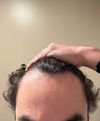
The user is likely at Norwood level 3 with thinning at the crown and temple recession. Treatments like finasteride or minoxidil are suggested to manage hair loss.
The post discusses a theory that hair regrowth after transplant is due to the angiogenesis process (new blood vessels forming), not because the transplanted hair is unaffected by DHT. The responses highlight the established belief in 'donor dominance' (the importance of the hair's origin in transplantation) and skepticism about the new theory.
The conversation discusses androgenetic alopecia (AGA) and questions why treatments focus on lowering DHT levels instead of building resistance to it. It also touches on hair transplantation techniques using body hair.
Longitudinal partial follicular unit transplantation involves extracting part of the donor follicular unit, allowing the donor area to be overharvested without noticeable hair loss. The conversation questions if this method is practiced in clinics or if it's theoretical, and whether it relates to hair cloning or multiplication.
The conversation is about starting a Discord group for people using KX-826 as their only treatment for hair loss, excluding those who are not serious or use multiple treatments. Someone agrees with the idea but mentions "GP :3," which is unclear.
Winlevi (clascoterone) is discussed as a treatment for hormonal acne and seborrheic dermatitis due to its ability to block DHT and regulate sebum production. The post suggests that Winlevi could offer a novel approach for managing seborrheic dermatitis.
Clascoterone cream was submitted for review to Health Canada in August 2022, with hopes of approval within 3-6 months. It may potentially enhance finasteride's effects for hair loss treatment.
Men with early male pattern baldness (MPB) may have hormonal abnormalities similar to those in women with PCOS. Specific treatments mentioned include Minoxidil, Finasteride, and RU58841.
The user plans to use a combination of tretinoin, topical minoxidil, and topical finasteride for hair loss treatment. They seek advice on application order, timing, and tretinoin dosage.
The user experienced side effects from low-dose topical finasteride and is considering using clascoterone (CB-03-01) despite concerns about its risks and cost. They seek advice on its effectiveness and potential side effects compared to other treatments like alfatradiol and fluridil.
Scalp biopsies are crucial for diagnosing hair loss conditions like Diffuse Unpatterned Alopecia (DUPA) and retrograde hair loss, as treatments like finasteride and dutasteride may not be effective if other conditions are present. Combining PPAR-GAMMA agonists with retinoids could improve treatments for conditions like Lichen Planopilaris.
Using PP405 and Clascoterone after a hair transplant may not cause issues if the transplant didn't achieve native density, but could lead to competition for blood supply if it did. Some users suggest waiting for these drugs to be available, as they might not significantly impact blood supply or regrowth.
HairClone is offering a Dermal Papilla Cell Hair Multiplication procedure in Guatemala, raising questions about its effectiveness and regulatory reasons for the location. Users express skepticism and curiosity about the treatment's success and potential costs.
The clinic diagnosed the user with NW3 and AGA, noting thinning hair despite using finasteride for 3 years, and suggested PRP and Mesotherapy before considering a transplant. The user questions the necessity of these treatments without confirming retrograde alopecia and its treatability.