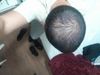
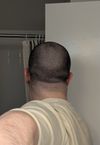
OP is experiencing dandruff and is considering switching from climbazole to ketoconazole, with suggestions to use Nizoral and a routine involving ketoconazole, coconut oil, and lemon. OP is also using minoxidil and finasteride for hair loss, and there are discussions about various shampoos and treatments for dandruff.
The user has tried various treatments like Dutasteride, RU58841, Minoxidil, Finasteride, Spironolactone, Pyrilutamide, and Ketoconazole for hair loss without success and is considering a scalp biopsy to diagnose another condition. Others suggest consulting a dermatologist and possibly getting a biopsy, as the issue might not be typical male pattern baldness.
Dihydrotestosterone (DHT) impacts various skin conditions, including Androgenetic alopecia and seborrheic dermatitis, by causing overactivity in sebaceous glands. Topical medications Tacrolimus and Clobetasol can reduce these inflammatory conditions, and treatments like RU58841, Minoxidil, and Finasteride may also be beneficial.
Treatments for hair loss, specifically the use of minoxidil, finasteride and RU58841. Replies to this post suggest that users should share relevant information publicly rather than through direct messages.
The user is using a combination of RU58841, Stemoxydine, RevivHair Serum, hair growth oil, topical Minoxidil, Alfatradiol, oral Minoxidil, and Finasteride to treat hair loss. They report no side effects from oral Minoxidil and Finasteride after 7 months of use.
A 31-year-old male considering returning to finasteride at a lower dose or using topical finasteride to assess his Norwood scale for a potential future hair transplant. He previously stopped finasteride due to side effects and has been shaving his head.
The conversation discusses using GHK-Cu copper peptide from Bulk Naturals for hair loss, comparing its price and quality to Peptide Sciences. Concerns about the product's legitimacy are mentioned, but COA documents are available.
Quercetin and houttuynia cordata extract may stimulate hair growth by enhancing cellular energy metabolism and increasing growth factor secretion. Quercetin has low oral bioavailability, and its natural tint might stain the scalp if used topically.
The user is experiencing breast tissue growth from taking dutasteride and minoxidil, and is considering reducing the dosage or stopping the medication. Suggestions include seeing an endocrinologist, using Raloxifene or Arimidex, and considering topical treatments or surgery if necessary.
User asks for advice on using hair thickening products and their order of application. Experienced styler suggests using thickening tonic with a blow dryer, followed by styling powder and clay, then hair fibers, and finishing with hairspray.
Elevated bile acids can inhibit the enzyme AKR1C2, leading to increased DHT levels, which may accelerate hair loss in those predisposed to androgenetic alopecia. Treatments mentioned include topical minoxidil and finasteride.
The user shared progress pictures showing significant improvement in hair loss after using finasteride, RU58841, and undergoing a 3000 graft hair transplant. They plan to get another transplant due to remaining thin areas.
Phase II for TDM-105795 for Androgenic Alopecia is set to begin in April 2023. The study aims to evaluate the efficacy and safety of TDM-105795 in male subjects.
The user shared their bloodwork results showing DHT at 17 ng/dl and testosterone at 287 ng/dl, with a slight Vitamin D deficiency. They are seeking opinions on these levels and have an upcoming dermatologist appointment.
The conversation discusses hair loss treatments, focusing on reducing scalp itching and dandruff using natural shampoos, witch hazel, and apple cider vinegar. The user also mentions using finasteride and observing potential regrowth, though it's difficult to confirm.
The user is using Dutasteride and Minoxidil for hair loss and is considering a shorter buzz cut to manage the appearance of thinning at the crown. They are unsure if a #1 buzz cut would look better than a #3 while waiting for the treatment to take effect.
The conversation discusses the potential use of HMI 115 for hair loss and whether it could replace or be used alongside finasteride, minoxidil, and RU58841. The user is experiencing scalp inflammation and continued hair shedding despite using finasteride for 8 years.
The user has been using topical finasteride and minoxidil for about 5 months and feels progress on the back of their head has stalled, while the front and top look good. They are considering whether to let their hair grow out despite feeling the contrast is awkward.
A 16-year-old is experiencing hair loss and is using minoxidil, finasteride, and plans to add RU58841, while considering other treatments like MK-677 and microneedling. Concerns are raised about the potential impact of these treatments on puberty and development.
A group buy for products to treat hair loss, such as Minoxidil, Finasteride and RU58841. Participants are interested in adding more people before ordering the next order.
A 25-year-old male experiencing hair loss and thinning since age 20 is seeking advice on effective DHT inhibitors. He lists various oral and topical treatments, excluding Minoxidil due to adverse effects.
User Tricky9555 tried various hair loss treatments for 8 months with no visible results. Others suggested considering a hair transplant, checking thyroid levels, and being patient for up to 24 months for potential results.
The progress of Phase I of HMI-115, a potential hair loss treatment, which consists of Minoxidil, finasteride, and RU58841. The estimated completion date is June.
A user shared progress pictures showing improvement from NW 6 to NW 2 after four months of treatment. They are considering using exosomes to further reverse hair miniaturization.
The post discusses a theory that hair regrowth after transplant is due to the angiogenesis process (new blood vessels forming), not because the transplanted hair is unaffected by DHT. The responses highlight the established belief in 'donor dominance' (the importance of the hair's origin in transplantation) and skepticism about the new theory.
The user discussed switching from RU58841 with Minoxidil to Finasteride due to cost, noting better physical feelings and hair growth with RU58841. They are considering returning to RU58841 and checking DHT levels after a month.
The conversation is about skepticism regarding Elon Musk's potential interest in hair cloning and includes unrelated discussions about Epstein and political opinions. Hair cloning is not seen as a trillion-dollar industry unless Elon Musk invests heavily in it.
Dr. Kyle Gillet mentioned on Dr. Andrew Huberman's podcast that dutasteride mesotherapy blocks DHT conversion only in the scalp and is the most promising topical treatment. Users discussed concerns about systemic absorption and the practicality of dutasteride injections.