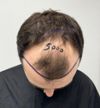
The user is asking for opinions on whether their hair growth is due to Pantostin and hormone treatments. One commenter confirms regrowth and asks about the hormone treatments.
A participant using Veradermics VDPHL01, an extended-release oral minoxidil, experienced significant hair regrowth from Norwood 6 to Norwood 3V without side effects. They plan to use dutasteride after the treatment to maintain results.
CB-03-01 is considered a failed treatment for hair loss, with future hopes pinned on PP-405 and GT-20029, expected by 2030. Alternatives like hair transplants and SMP are discussed, while some users express frustration over the slow progress of treatments like Breezula.
The conversation is about experiences with GHK-Cu Copper and AHK-Cu Copper for hair regrowth and thickening. One user expressed skepticism about its effectiveness.
Kintor's phase III trial for pyri (KX-826) showed promising safety and efficacy results, with no drug-related sexual dysfunction reported. Users discussed their experiences with pyri, Minoxidil, Dutasteride, and concerns about the validity of the study results.
First patient dosed with Pyrilutamide (Kintor) Phase III for hair loss treatment. Pyrilutamide differs from approved treatments as it competes with DHT to bind hair follicles, potentially reducing side effects.
A user shared their positive experience with a hair transplant in Turkey using the DHI and Sapphire FUE techniques, without taking finasteride or minoxidil post-surgery. They emphasized that transplanted hairs from the donor area are resistant to hair loss, but acknowledged that native hairs might still thin without medication.
Extended-release oral minoxidil (VDPHL01) shows promising results for hair growth with improved safety, achieving significant hair count increases and minimal side effects compared to placebo. The treatment is designed to maintain effective concentrations while reducing side effects, making it a safer option for those who cannot tolerate standard minoxidil.
A user is exploring VEGF gene therapy to enhance hair transplant results, considering measuring hair shaft diameter and growth rate. Suggestions include using phototrichograms and possibly adding PRP, though its effectiveness is uncertain.
OP wants to increase pyrilutamide concentration from 0.5% to 1% while already using finasteride. Users suggest waiting for a commercial 1% solution and caution against using grey market products.
A user is considering adding PRP and mesotherapy to their hair loss treatment and is deciding between two options: Promoitalia, which contains Phosphatidic acid, Riboflavin, and Superoxide dismutase, and the more expensive Melsmon, a human placenta derivative. They seek advice on which option to choose based on effectiveness and scientific backing.
The conversation discusses sourcing pyrilutamide from China for hair loss treatment, highlighting its potency compared to other AR antagonists like bicalutamide and RU58841. The user expresses interest in trying pyrilutamide despite mixed results in clinical trials.
The user shared a 4-month update on their hair regrowth journey using finasteride, minoxidil, and microneedling, reporting significant progress and styling ability. They emphasized persistence, shared their regimen details, and addressed side effects like weaker erections and blurry vision, which improved with lifestyle changes.
The conversation is about comparing hair loss treatments Pyrilutamide (KX-826) and CB-03-01, discussing their cost, side effects, and effectiveness. The user questions whether to try CB-03-01, which is more expensive and potentially less effective, or switch to the cheaper and possibly better Pyrilutamide.
PP405 is expected to be more expensive than finasteride and minoxidil initially due to patent protection, but not as costly as life-saving medications like Ozempic. The price may decrease after the patent expires, but initially, it might be around $100 per month, making it potentially unaffordable for many.
A user shared impressive progress at 4 months post-hair transplant with 5120 grafts by Dr. Ahmet Yildirim in Istanbul. The user expressed satisfaction with the results, which exceeded expectations.
Hair loss treatments, specifically Pyrilutamide and Minoxidil/Finasteride/RU58841. Participants discussed their experiences with them and the results they have seen so far.
The conversation discusses the differences between PG/Ethanol and KB solutions for RU58841 application, focusing on potential scalp irritation. KB solution is suggested for those allergic to PG, though both contain ethanol which can dry the scalp.
Using a combination of low-dose topical finasteride (0.025%) and 0.5% pyrilutamide for hair loss, with a focus on minimizing side effects. The user seeks experiences and results from others who have tried this combination.
Automatic-Law-3612's progress with hair loss treatments, including topical finasteride, topical dutasteride, minoxidil and pyrilutamide. They have been using these products for two weeks and noticed baby hairs in their temples getting longer.
The conversation discusses the use of 12.5mg cyproterone every other day for hair loss. There's a concern about reducing testosterone potentially increasing DHT and negatively affecting hair.
The conversation is about a user expressing concerns over the safety of a new drug called Pyrilutamide (also known as KX-826) for hair loss. The user will only trust the drug if it's permitted by EU regulations and sold by a reputable company.
Pyrilutamide's 0.5% solution showed minimal improvement, while the 1% solution appears more promising but costly. The user is currently using finasteride and oral minoxidil and considering adding Pyrilutamide if effective and affordable.
The conversation discusses the effectiveness of RU58841 for hair loss compared to pyrilutamide, which failed to show significant hair regrowth in trials. Some users report personal side effects with RU58841 and question the criteria for success in hair loss treatments.
The conversation discusses using topical liposomal finasteride for hair loss, with concerns about high DHT levels. The user's DHT level is above the normal range, which may affect hair health.
Verteporfin is being explored for hair regeneration, with unofficial trials and updates shared online. Efforts are being made to encourage more surgeons to trial verteporfin for donor hair regeneration.