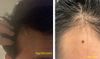
User reports 6 months on finasteride with visible hair growth. Others discuss the importance of similar hair length in before and after pictures for accurate comparison.
Person shared 7-month progress of hair growth using finasteride, minoxidil, and nizoral shampoo. Happy with results, experienced minimal shedding, and applies double dose of minoxidil at night.
The conversation discusses using RU58841, topical finasteride/minoxidil, MK677, and microneedling as treatments for hair loss. MK677 is mentioned as a growth hormone that improves hair health and recovery from microneedling.
User shares 10-year experience using Finasteride and Minoxidil for hair loss with positive results and no significant side effects. Others suggest consistency, microneedling, and considering hair transplants.
A user's success with the hair loss treatments finasteride, minoxidil, nizoral shampoo and dermarolling; discussion about how to use minoxidil on temples; and the importance of being happy in one's own skin regardless of results.
A 20-year-old is experiencing aggressive hair loss and is using oral finasteride, topical minoxidil, tretinoin, rosemary oil, and dermarolling in an attempt to manage it. They are concerned about their appearance and future hair loss, seeking advice on additional treatments.
A user stopped oral finasteride after 7 years due to decreased libido and switched to topical finasteride and minoxidil. Others shared similar experiences and discussed alternatives like dutasteride and topical treatments.
Stopping Minoxidil caused significant hair loss, which was mostly regained after resuming 1mg Finasteride and 3mg oral Minoxidil. Consistent use of both treatments is essential for maintaining hair growth.
Finasteride and minoxidil have helped maintain hair density and possibly improved coverage, though results vary and regrowth can take time. Some suggest trying dutasteride and oral minoxidil for more significant regrowth.
Switching from finasteride to dutasteride and oral minoxidil led to thicker hair and reduced hairline recession. Occasional flushing from minoxidil will be managed by lowering the dose.
A 26-year-old male shares his progress using 0.5mg finasteride and 5% topical minoxidil for hair loss, considering transitioning to 3mg oral minoxidil. He is also contemplating using a hair system to boost confidence while continuing treatment.
A 21-year-old man experienced positive hair regrowth results after using a homemade topical solution containing 0.030% finasteride and 5% minoxidil for four months. He reported no side effects with the Trichosol-based solution, unlike previous issues with alcohol-based formulas.
Creatine may increase DHT levels, potentially causing hair loss in some people, though experiences vary. Treatments like finasteride or minoxidil are suggested to manage potential hair loss.
A 25-year-old male has been using oral finasteride and minoxidil for six months without noticeable progress in hair regrowth and is considering switching to dutasteride or a hair transplant. Users suggest giving the treatment more time, adding microneedling, and possibly using topical minoxidil.
Users discussed their experiences with minoxidil and finasteride for hair loss, sharing application methods and side effects. Concerns included hair texture changes, safety around pets, and the importance of consulting a doctor before using oral minoxidil.
A user shared their positive experience with finasteride and minoxidil for hair regrowth, reporting no side effects and recommending early treatment for hair loss. Others discussed their experiences, side effects, and questions about dosages and application methods.
The conversation covers aggressive hair regrowth treatments like Dutasteride, Minoxidil (oral and topical), RU58841, microneedling, and ketoconazole shampoo. It also mentions PRP, laser therapy, GHK-Cu injections, and hormone therapy for maximum regrowth.
The conversation discusses hair regrowth using 2-deoxy-d-ribose (2DDR) combined with minoxidil, with some users noting new hair growth. The original poster has been using minoxidil for 12 years and is considering combining 2DDR with finasteride, despite past side effects.
Switching from finasteride to dutasteride improved hair thickness and regrowth for many users, with some also using minoxidil and dermarolling. Users reported varying timelines for results, with some seeing improvements in 8-12 months and minimal side effects.
Many delay hair loss treatment due to lack of awareness, denial, or fear of side effects. Treatments like finasteride, minoxidil (oral and topical), and hair transplants are discussed, with mixed results and concerns about side effects.
The conversation discusses hair thinning potentially linked to creatine use, with the user considering switching from topical to oral finasteride and minoxidil. Creatine may increase DHT levels, but topical treatments are suggested to be effective without significant side effects.
The user is experiencing severe hair shedding despite using minoxidil, finasteride, ketoconazole shampoo, and dermarolling. They are considering changing treatments after stopping dermarolling and switching finasteride brands worsened the shedding.
UCLA's PP405 shows promise in reactivating dormant hair follicles for hair loss treatment but is still in clinical trials. Minoxidil and finasteride remain common treatments until PP405 becomes available.
The user has maintained hair with topical minoxidil (8%) and finasteride (0.01%) for 7.5 years, experiencing mild regrowth and no side effects. They also use rosemary oil, jojoba oil, and magnesium oil for hair care.
A 20-year-old is using minoxidil for hair regrowth and considering finasteride despite concerns about side effects. Many suggest adding finasteride to maintain gains, with recommendations to start with a low dose or use a topical form to minimize side effects.
The user started using finasteride at age 23, stopped at 30 to start a family, and resumed at 39 with minoxidil, seeing positive results both times. They successfully had four children after stopping finasteride, noting changes in sperm quality and some side effects upon resuming the medication.
Turkey is a popular destination for hair transplants due to lower costs, but quality varies, and many clinics are scams. It's crucial to research and select reputable clinics to ensure good results.
Significant hair regrowth was achieved using oral finasteride and topical minoxidil over five months, with noticeable improvements in hairline and temple areas. The user experienced minimal side effects, mainly increased eyebrow and eyelash growth, and attributes additional physical improvements to weight loss and exercise.
Finasteride can aid hair regrowth but may cause side effects like depression and sexual dysfunction. Users discuss experiences with finasteride, minoxidil, and RU58841, highlighting varied responses and the importance of informed treatment choices.
A user switched from finasteride to dutasteride after 6.5 years due to hair thinning and may add oral minoxidil if needed. They are worried about shedding and side effects but hope for better hair density with dutasteride.