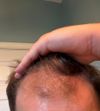
The user reports hair improvement and healthier scalp after 8 months of using finasteride, oral minoxidil, and a topical minoxidil/finasteride spray. Others congratulate the user on noticeable regrowth.
Finasteride, minoxidil, and sometimes dutasteride were used for hair loss with varying success. Some experienced side effects, while others maintained or regrew hair, considering hair transplants as a future option.
A user started taking Musely men's bloom hair pill, which contains minoxidil, dutasteride, and vitamins, and noticed a stop in hair shedding after switching from other hair loss treatments like hims and Keeps. They are questioning the effectiveness of the Musely pill due to its lower dosage of active ingredients and are curious about others' experiences with the product.
User shared 6-month progress of hairline recovery using oral finasteride and topical minoxidil, asking for current Norwood scale rating. Responses praised impressive results, with estimates ranging from Norwood 1.5 to 3.
The user has maintained hair thickness using oral finasteride and minoxidil for four years, with suggestions to consider dutasteride or a hair transplant for further improvement. Some users recommend trying topical minoxidil with tretinoin or increasing the oral minoxidil dose for better results.
A 25-year-old is using a nightly routine of topical finasteride 0.3% and minoxidil 6%, along with a derma roller and Nizoral shampoo, to address crown hair loss. The user reports no side effects and noticeable improvement over 2.5 months.
The user experienced progress in hair recovery using oral finasteride and minoxidil, despite some side effects like increased heart rate. They switched from foam to oral treatments for convenience and reported minimal shedding.
The user shared a one-year update on using oral finasteride (1.1 mg) and oral minoxidil (3 mg) along with ketoconazole shampoo, reporting significant hair regrowth and satisfaction with the results despite some side effects like thicker eyebrows and chest hair. The user encourages others to start treatment early and plans to continue the current regimen for further improvement.
The conversation discusses using both oral and topical forms of finasteride and minoxidil for hair loss. Concerns about potential overkill and side effects are raised, but no side effects are reported from using oral finasteride and topical minoxidil.
A user's progress after 6 months of taking finasteride and minoxidil for hair loss, with other users providing comments about the effectiveness of the treatments.
A user is seeking a prescription for topical finasteride with minoxidil from their general practitioner, preferring it over buying online. They are advised that a dermatologist might be needed for the prescription, and alternatives like CVS clinics or online services are suggested.
The user shared impressive three-month progress using topical Minoxidil and Finasteride, along with derma rolling and collagen supplements. They reported no side effects and detailed their routine, including specific concentrations of the treatments used.
A 25-year-old male using 1mg finasteride daily and 5% topical minoxidil twice daily noticed slight hair density improvement on the crown, less shedding, and no serious side effects except occasional mild discomfort. He uses Nizoral shampoo for itching and takes Vitamin D and Magnesium supplements, while maintaining a positive mental outlook and working on improving his sleep schedule.
The user shared 9-month results using a 4-in-1 spray containing finasteride, minoxidil, ketoconazole, and biotin, along with lifestyle changes like jogging, quitting smoking, and using collagen supplements. They also incorporated dermastamping, dermarolling, and various oils into their routine, reporting positive hair regrowth.
The user has been using topical minoxidil 8% and finasteride 0.3% for six months, along with 2% ketoconazole shampoo and microneedling. They are experiencing some hair regrowth and hope for thicker hair by next year.
The user has been using finasteride 1mg for a year and minoxidil 5% for 1.6 years, with inconsistent dermarolling, and is considering switching from topical to oral minoxidil due to hair dryness. They report increased hair thickness and no side effects, with plans to consult a dermatologist about the switch.
Using 2.5mg oral minoxidil and 1mg oral finasteride daily leads to significant hair regrowth without side effects, especially at the crown. Consistency is crucial, and some users consider additional methods like derma rolling.
The user experienced significant hair regrowth using 1mg finasteride daily and Rogaine minoxidil 5% foam twice a day, along with vitamin D supplementation. They also managed stress through lifestyle changes like exercise, quitting nicotine, and improving sleep.
The user has been using finasteride, minoxidil, and other treatments for nearly a year without progress in hair regrowth, feeling frustrated and depressed. Suggestions include trying dutasteride, considering a scalp biopsy, and acknowledging that stopping hair loss might be the only achievable outcome.
A user is seeking advice on a new topical hair loss treatment containing Minoxidil 3%, Finasteride 0.3%, Progesterone 1%, Hydrocortisone butyrate 0.1%, and Ketoconazole 0.5%. They are concerned about the systemic absorption of Finasteride and plan to do blood tests and a spermiogram before starting.
The conversation discusses starting Minoxidil for hair loss and suggests also using finasteride to prevent further balding. Minoxidil is expected to thicken current hair, but won't stop hair follicles from dying.
User reports 12-week progress with HIMS spray, Minoxidil, micro-needling, and biotin. Notable baby hairs on crown and temples, hoping for further improvement.
User shared progress pictures after 3 months using 5% topical minoxidil in the morning, 0.3% and 6% minoxidil topical spray in the evening, and Nizoral once a week. Photos show improvement in hair density.
A 24-year-old has been using oral finasteride and topical minoxidil for six months with minimal progress in hair regrowth, despite starting derma rolling and considering telogen effluvium as a possible cause. Suggestions include switching to oral minoxidil, adding dutasteride, and continuing microneedling for better results.
The user experienced improved hair density and some regrowth after 100 days of using oral finasteride (1mg) and oral minoxidil (2.5mg), with plans to add microneedling and ketoconazole shampoo. Despite some initial side effects, they report no current issues and intend to continue the treatment.
A 27-year-old has been using oral finasteride and minoxidil since early 2023, seeing progress in hair growth and density without side effects, but still struggles with thinning at the crown. They are considering adding topical treatments, natural oils, microneedling, or a hair transplant to address this issue.
The user shared a two-year update on hair loss treatment using oral minoxidil, finasteride, and microneedling, noting significant progress after starting oral treatments and microneedling. They began treatment in early 2023 after noticing hair loss in late 2021.
A 21-year-old shared a 7-month update on using 1mg finasteride and minoxidil for hair loss, reporting positive results with no side effects except watery semen. The user initially stopped minoxidil due to inconvenience but resumed it after shedding, and is satisfied with the progress despite some thinning at the crown.
A user shared progress pictures after 8 months using oral finasteride and topical minoxidil for hair loss, showing significant improvement. The user takes 1 finasteride pill every morning and applies 5% minoxidil twice daily, with discussions around side effects and treatment routines.
User shared 7-month hair loss progress using finasteride, minoxidil, ketoconazole shampoo, and dermastamp. Hairline is stronger but still receding, hoping for more improvement.