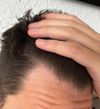
Hairloss treatments Fin and Minoxidil failed for user. Suggested alternatives are 75mg oral spiro and RU58841, but concerns about low testosterone and self-esteem were raised.
Methods of treating hairloss, such as using Minoxidil and Finasteride, as well as the potential use of RU58841. People have shared their experiences with these treatments, discussing the success of them in aiding hair growth.
The conversation discusses successful hair regrowth using topical minoxidil and biotin shampoo/supplements, avoiding finasteride due to its side effects. Specific brands of shampoo, conditioner, and biotin pills were inquired about but not mentioned.
Most scalp serums are ineffective for hairloss, with Nécessaire’s “The Scalp Serum” being the only one showing noticeable results, though it's not worth the cost. For androgenetic alopecia, clinical treatments like minoxidil and finasteride are necessary, while caffeine and capixyl may offer some benefits.
A man struggled with hairloss from age 18, tried various methods without success, and finally sought medical help at 23. He was prescribed oral finasteride, topical minoxidil, and Nizoral shampoo, which after two years of consistent use, significantly improved his hair condition.
User uses Indian hairserum with procapil and procyanidin b2, stopped minoxidil due to allergies. Seeks advice on hair wash techniques and products for shoulder-length hair and scalp care while using hair growth serums.
A 31-year-old male experienced hair shedding after rapid weight loss and stopping vitamins, despite using minoxidil and other supplements. He is considering Saw Palmetto and Pumpkin Seed Oil instead of finasteride due to trying for kids, and is concerned about high ferritin and DHEAS levels.
A 24-year-old male started using finasteride and minoxidil for hairloss, noticing reduced hair fall but continued temple and frontal recession. He uses both oral and topical minoxidil, biotin, vitamin D, and coal tar shampoo, and experiences rare heart palpitations.
The conversation discusses a hairloss treatment regimen involving minoxidil, finasteride, RU58841, JXL069, and nizoral shampoo. The user reports seeing new black dots in areas where hair hasn't grown in years, suggesting potential regrowth.
The user's hair regrowth plan includes topical treatments (RU58841, azelaic acid, ketoconazole), oral supplements (Gia Herbs, castor oil), microneedling, PTD-DBM peptide with valproic acid, red light therapy, inversion table with scalp massage, and platelet-rich fibrin injections. Commenters suggest that finasteride and minoxidil are essential treatments for male pattern hairloss, which are missing from the plan.
A user discusses using a serum called Dallixa, containing minoxidil-like and bimatoprost-like compounds, for hairloss and greying. The user's dermatologist advised against finasteride and suggested the serum might improve hair pigmentation.
Hairloss treatments include finasteride, minoxidil, alfatradiol, vitamins, red light therapy, ketoconazole shampoo, meditation, green tea, leg workouts, and silk pillows. Genetics is emphasized as the primary factor in hair health, with some humor about unconventional methods like drug use affecting hairloss.
Ketoconazole shampoo helps with dandruff and may support hair health, but users report mixed results for hair regrowth. Some users find better results with separate prescriptions of minoxidil and finasteride rather than using Hims' combined chews.
Stacking 5% minoxidil twice daily, 1.25mg finasteride daily, 6 drops of the Ordinary hairserum with Redensyl each night, 1.5mm dermarolling once a week, Nizoral shampoo twice a week and caffeine shampoo once a week for hairloss treatment.
The conversation jokes about hairloss treatments, mentioning finasteride, minoxidil, dutasteride, microneedling, ketoconazole shampoo, and rosemary oil as if they were players in a game. Some users also discuss the use of finasteride for prostate issues and the possibility of splitting the dose.
A 29-year-old man regained his hairline using a consistent routine of topical minoxidil and finasteride, along with pumpkin seed oil, despite experiencing side effects like low libido and ED. He emphasizes the importance of consistency and is satisfied with his progress, choosing to avoid oral treatments due to potential side effects.
The user is pleased with hair regrowth after taking daily tablets of 1.1 mg finasteride, 3 mg minoxidil, and 2.5 mg biotin for 3 months, with no side effects and some light shedding. The most noticeable improvement is at the crown, which was the main concern.
The conversation discusses hairloss treatments, with users sharing experiences and opinions on finasteride, minoxidil, and other methods. Many recommend finasteride for its effectiveness, while others express concerns about side effects and emphasize the importance of acting quickly to address hairloss.
The conversation is about a hairloss treatment protocol involving microneedling, finasteride, RU58841, minoxidil, ketoconazole shampoo, and a scalp massager with oils. Some users advise starting with fewer treatments like finasteride, minoxidil, and microneedling to avoid potential side effects.
User regrew lost hair using microneedling, minoxidil, finasteride, Nizoral, fish oil, and collagen peptide. Progress was slow but constant, and patience was important.
A 32-year-old male started using a topical spray containing 0.01% finasteride and 6% minoxidil to combat hereditary male pattern baldness. He reports no side effects and is optimistic about potential hair regrowth.
The user experienced significant hair regrowth using a topical solution of minoxidil 5% and finasteride 0.1% over 100 days, with plans to continue for a year before switching to a maintenance dose. Despite skepticism from others about using hair fibers, the user insists on the authenticity of their progress and reports no side effects from the treatment.
The conversation is about seeking hairline regrowth results using RU58841, dermarolling, and Nizoral. The user cannot tolerate finasteride and finds minoxidil ineffective.
A 24-year-old male shared his 8-month progress in fighting hairloss using 1mg finasteride daily, 5mg minoxidil daily, 5mg biotin daily, and topical minoxidil nightly. He experienced no side effects and noted improved confidence and reduced shedding.
A 29-year-old tried various hairloss treatments, including minoxidil, finasteride, dutasteride, derma stamp, and a hair transplant, but ultimately chose a hair system to cover baldness and boost confidence. The hair system looks natural and is praised by others for its appearance and feel.
A user shared their experience with hairloss treatments, including topical minoxidil, finasteride, RU58841, and microneedling, noting significant hair regrowth except at the hairline. They plan to start oral minoxidil and switch to a combination treatment, while another user mentioned that some miniaturized hairs may not fully recover.
A 19-year-old experiencing severe hairloss since 16 is using a treatment regimen of 5% minoxidil, 0.1% finasteride topical solution, 3% procapil hairserum, and 0.5 mg dutasteride daily. They are concerned about the effectiveness and potential shedding phase, with advice suggesting noticeable changes in 6 to 8 months.
Jamesdunn8811 has been using a combination of finasteride and minoxidil to treat his hairloss over the past four months, with successful results. He has experienced no side effects and noticed increased thickness and baby hairs growing in both temples.
The user is experiencing hairloss and has been using RU58841 but is considering pyrilutamide and minoxidil, avoiding finasteride due to side effects. Another user suggests finasteride or dutasteride as essential, possibly in topical form, while dismissing saw palmetto as ineffective.