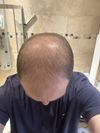
Hair density and color improved with 1mg oral finasteride, 3mg oral minoxidil, red light therapy, biotin, and microneedling. Visible results seen in 3 months.
A 20-year-old male shares his 2.5-month progress using 1mg finasteride, topical minoxidil, tretinoin, dermarolling, and ketoconazole for hair loss, noting slight libido decrease. Users discuss sourcing topical finasteride and request more photos to see the results.
A 20-year-old has been using finasteride and minoxidil tablets for over six months with minimal hair improvement. They also use topical minoxidil twice daily and recently started derma rolling, questioning if a hair transplant is necessary.
The user is using oral and topical minoxidil, finasteride, dutasteride, and considering adding rosemary and pumpkin saw palmetto to their regimen. They report significant hair growth, especially with dutasteride, and are considering increasing their dose and adding RU58841.
The conversation discusses using oral minoxidil and finasteride for hair regrowth, with the addition of vitamins. Users report some shedding and expect results in 3-6 months.
Minoxidil is causing severe scalp irritation, including itchiness and dryness, for the user. Alternatives suggested include anti-fungal treatments, propylene-glycol-free formulations, and possibly oral minoxidil.
The user experienced a significant drop in libido and erectile issues after increasing their finasteride dosage, combining oral and topical treatments. They plan to take a break and resume using a lower concentration of topical finasteride to manage side effects.
A new hair growth spray in the UK contains finasteride 0.3%, minoxidil 5%, and tretinoin 0.01%, but some users find the finasteride concentration too high. Another brand offers a similar spray with a lower finasteride dose at a cheaper price, and some users report scalp irritation from the new spray.
Topical finasteride concentrations and application amounts are debated, with concerns that mainstream solutions may use arbitrary concentrations. A 0.25% solution with a specific application method is suggested as more appropriate than higher concentrations.
A 43-year-old man shares his slow progress using low-dose topical finasteride and 5% minoxidil for hair growth, along with scalp massages, microneedling, biotin supplements, and pumpkin seed oil. Another user suggests shaving and warns about potential infertility from finasteride, but the original poster remains optimistic, citing others' successful results.
A user shared their significant hair regrowth progress using topical minoxidil, oral finasteride, and minoxidil chews, while transitioning to generic versions. They also mentioned using batana oil and microneedling, with no side effects reported.
Turkey is a popular destination for hair transplants due to lower costs, but quality varies, and many clinics are scams. It's crucial to research and select reputable clinics to ensure good results.
Hair loss treatments like finasteride and minoxidil need time to work, often taking months. Patience and realistic expectations are crucial for success.
The user has been using finasteride, minoxidil, and other treatments for nearly a year without progress in hair regrowth, feeling frustrated and depressed. Suggestions include trying dutasteride, considering a scalp biopsy, and acknowledging that stopping hair loss might be the only achievable outcome.
The user shared two-month results using a topical spray with 0.3% finasteride, 7% minoxidil, 2.2% ketoconazole, and 0.2% biotin, showing improvement in hair loss. The user also mentioned using hair fibers previously and dermastamping inconsistently.
The conversation discusses using dutasteride, both topical and oral, for hair loss in trans men, considering potential side effects like depression and libido issues. The user is exploring options including topical solutions with minoxidil, retinoic acid, and hydrocortisone, and plans to start microneedling.
The user has been using a daily capsule containing 1mg finasteride and 2.5mg minoxidil for 11 months, with noticeable regrowth on the crown but minimal improvement on the hairline. They experienced no significant side effects and plan to continue the treatment long-term.
The user experienced significant hair improvement using 1mg finasteride daily without side effects. They are advised to continue treatment to maintain results and consider cost-effective purchasing options.
The user reported significant hair regrowth using a topical treatment of 0.3% finasteride and 6% minoxidil, with noticeable progress in five months. The treatment is applied once daily, and the user experienced some initial shedding but no side effects.
User shared progress pictures after 3 months using 5% topical minoxidil in the morning, 0.3% and 6% minoxidil topical spray in the evening, and Nizoral once a week. Photos show improvement in hair density.
User shared before-and-after photos showing significant hair regrowth after using finasteride 1mg daily, minoxidil 5% twice daily, and Nizoral 2% weekly for almost a year. The user noticed more defined and darkening regrown hairs, indicating a new hairline.
A 45-year-old user shared progress pictures after 4 months of using a topical gel with 2.5% finasteride and 5% minoxidil once daily. The second picture shows significant improvement in hair growth.
User had a hair transplant and used a finasteride and minoxidil spray for 6 months with no results. After adding finasteride tablets for 1 month, they saw significant hair growth improvement.
A 40-year-old male with Norwood IV hair loss is considering adding 1.25mg oral Minoxidil in the morning to his current evening spray containing 7% Minoxidil, Finasteride, ketoconazole, and biotin. He questions if this combination would be excessive or unnecessary.
A user shared progress pictures after two months of using oral finasteride and minoxidil, along with inconsistent derma rolling. Replies noted hairline improvement and good coverage, especially with afro hair.
A user shared their 4-year hair regrowth journey using 1mg finasteride daily and 5% minoxidil daily, reporting no side effects and noticeable improvement after 6 months. They also use a derma roller to help distribute the minoxidil foam.
A user shared progress pictures showing hairline improvement after using oral finasteride (1mg) and minoxidil (3mg) for 5 months. Replies praised the noticeable regrowth and encouraged continued use.
The user shared a 4-5 month update on using finasteride, minoxidil, vitamins, oiling, and microneedling for hair loss. They reported improved hair density and confidence but experienced unwanted hair growth, thin hair, itching, and a flaky scalp.
Topical finasteride is considered a safer option for hair regrowth with fewer systemic side effects compared to oral finasteride. Some users report similar efficacy and side effects between topical and oral treatments, while others prefer topical due to reduced systemic exposure.