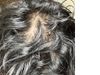
User shared progress using topicalFinasteride 0.3% and Minoxidil 6% daily since January, noting some improvement and no side effects. Considering adding derma rolling for better results.
The user saw significant hair regrowth using topicalminoxidil and finasteride, even on areas not directly treated. They used local Algerian products with 5% minoxidil and 0.1% finasteride and reported no side effects.
The user switched from topical to oral finasteride and minoxidil for hair loss and experienced swelling and sensitivity in the left chest area. They are concerned about these symptoms but noticed improvement after skipping a dose.
The user started using topicalfinasteride 0.5% and minoxidil 3% for hair regrowth after 8 years of slow thinning and experienced impressive results in 3 months. Some users suggest switching to 5% minoxidil for better effectiveness, while the user reports minor side effects like itchiness and scalp pimples.
A user shared their 16-month progress using a minoxidil and finasteride spray combo, showing significant hair regrowth. The discussion includes praise for the results, questions about treatment specifics, and debates on the effectiveness of topical versus oral finasteride.
A 51-year-old shared progress on hair regrowth using topicalMinoxidil and Finasteride over four months, noting significant improvement and plans for future hair transplants. The user emphasized the benefits of modern treatments and societal changes in attitudes towards hair loss.
Using a dermaroller with topicalminoxidil and oral finasteride regrows hair and improves temple areas. Users highlight the benefits of microneedling tools and stress the importance of consistency and proper sanitation.
The user has been using oral and topicalminoxidil, finasteride, dermastamping, and multivitamins for hair loss, with plans to consider a hair transplant in the future. They are seeing gradual improvement and are content with the progress, preferring to stick with their current regimen rather than switching to other treatments like dutasteride.
A user shared their positive experience with hair regrowth after one year of using 1.1mg oral finasteride and 3mg oral minoxidil daily, reporting no significant side effects and good bloodwork results. The user noted limited results at three months but dramatic improvement by one year, emphasizing the importance of patience with these treatments.
The user is using a combination of topical and oral treatments containing Finasteride and Minoxidil, along with supplements like Biotin, Saw Palmetto, and vitamins, to combat hair loss. They are also incorporating lifestyle changes such as a whole foods diet, exercise, and improved sleep to support their regimen.
A 22-year-old user experienced positive hair regrowth after 11 weeks using a spray containing 0.3% finasteride, 7% minoxidil, 2.2% ketoconazole, and 0.2% biotin. They reported initial side effects like scalp tingling and brief testicular pain, which subsided, and are considering switching to finasteride pills and a different minoxidil brand for cost reasons.
The user experienced some hair regrowth after 4 months of inconsistent use of topicalfinasteride and minoxidil, with no noticeable side effects. Others suggest trying oral finasteride and minoxidil for better consistency.
The user experienced significant hair regrowth after one year of using finasteride, minoxidil, and Nizoral shampoo, with no side effects reported. They noted improved social interactions and emphasized the importance of consistency in treatment.
User shared before-and-after photos showing significant hair regrowth after using finasteride 1mg daily, minoxidil 5% twice daily, and Nizoral 2% weekly for almost a year. The user noticed more defined and darkening regrown hairs, indicating a new hairline.
The user improved hair health by using a topical spray with Minoxidil (7%) and Finasteride (0.3%), switching to Nizoral shampoo with 1% ketoconazole, and applying a multi-peptide serum for hair density. They emphasize the importance of maintaining a healthy scalp for effective hair regrowth.
The user experienced significant hair regrowth using topical dutasteride, finasteride, and minoxidil, despite inconsistent application. The combination appears effective, possibly due to reduced scalp DHT levels, allowing minoxidil to work better.
Using 1mg Finasteride and 5% Minoxidil for a year led to significant hair regrowth, despite initial side effects like decreased sex drive, which improved with exercise. Consistency in treatment was highlighted as crucial for success.
The user experienced significant hair regrowth using minoxidil (5% topical) once nightly and finasteride (1mg) daily, despite a poor diet, high stress, and lack of sleep. They plan to start dermastamping and improve their overall health for better results.
The post discusses a 21-month treatment of hair loss using Finasteride, a 13-month treatment with Minoxidil, and a 2-month treatment with Stemoxydine. Replies suggest enhancing results by adding a micro needling pen and tretinoin to the regimen, and consider Finasteride and Minoxidil as crucial treatments.
A 27-year-old male shared his positive experience using finasteride and minoxidil for hair regrowth over a year, noting initial shedding but no significant side effects. He emphasized the effectiveness of combining these treatments and advised others to consult doctors and be patient with the process.
A user shared progress after 5 months on oral finasteride (1mg) and minoxidil (2.5mg), noting improvements despite minimal temple growth. They experienced shedding initially but reported no side effects, and others shared similar experiences and additional treatments like hair serums.
User uses Costco brand Minoxidil as a hair product for styling and hold. Others agree that foam version is better for styling and less greasy than liquid.
The user has been using a daily topical spray of finasteride and minoxidil, along with occasional microneedling, to address hair loss since August 2023, and is considering switching to oral medication for convenience and cost reasons. Despite progress, they are exploring options like increasing microneedling frequency or potentially undergoing a hair transplant to address a stubborn spot.
The user experienced significant hair regrowth using 2.5 mg minoxidil and 1 mg finasteride prescribed by a dermatologist, with no negative side effects reported. The progress has inspired others to try similar treatments for hair loss.
The user has been using oral finasteride and minoxidil for hair loss but hasn't seen improvement and is considering switching to dutasteride or RU58841. They plan to start microneedling for better results.
The user experienced significant hair regrowth using topicalminoxidil twice daily and 1mg oral finasteride once daily, along with scalp massages and a health supplement stack. Consistency with these treatments led to impressive results, boosting confidence and surprising family and friends.
The user is using oral and topicalminoxidil, finasteride, dutasteride, and considering adding rosemary and pumpkin saw palmetto to their regimen. They report significant hair growth, especially with dutasteride, and are considering increasing their dose and adding RU58841.
A user shared their two-year journey using minoxidil and finasteride, with additional use of dutasteride and a derma pen, noting some progress but a plateau in results. They are considering adding more treatments or a hair transplant to improve their hair further.
The user experienced significant hair regrowth by using a combination of finasteride, oral minoxidil, and later switching to dutasteride. They initially started with finasteride and topicalminoxidil, then moved to oral minoxidil and eventually transitioned from finasteride to dutasteride, which they found more effective.
A user is deciding between oral and topicalfinasteride for hair loss, noting oral finasteride's ease of use but broader effects. Another user simply recommends oral finasteride.