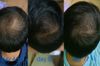
A user discusses using a mix of 10% CBD oil and emu oil for hair regrowth, seeking help to apply 3-4 mg daily. They mention needing 0.5-1ml to cover their buzzed scalp.
A 68-year-old woman with iron deficiency and hypertension is considering using 5% minoxidil for hair regrowth and plans to see a dermatologist. Some suggest using wigs and focusing on health, while others recommend checking for hormone imbalances and nutritional deficiencies.
The conversation is about a user interested in participating in hair cloning clinical trials due to their fine hair and previous positive experience with clinical trials. They are seeking information on how to volunteer for such trials.
A 36-year-old started using finasteride (0.3-0.5mg daily), 5% minoxidil foam, and weekly dermarolling/dermapen treatments to address hair loss. They also began taking supplements for low ferritin and vitamin D, hoping to improve hair thickness and cover a bald spot.
A 21-year-old male diagnosed with telogen effluvium and male pattern baldness started taking finasteride, which initially slowed hair shedding and slightly thickened hair. The doctor recommended iron and vitamin D supplements, and the user is considering minoxidil but wants to stabilize shedding first.
The post and conversation are about HMI-115, a potential treatment for hair loss. The conclusion is that HMI-115 is not a 5ar-inhibitor and is instead a prolactin receptor inhibitor. Some users are skeptical about its effectiveness and believe that baldness will still be a problem in the future.
The user has been losing hair since age 12 and is now starting treatment with 0.5 mg dutasteride and 2.5 mg minoxidil at age 29. They have also experienced dandruff and have a thinning crown.
The conversation is about someone considering adding topical Cetirizine 1% to their existing hair loss treatment regimen and seeking advice on where to buy it and others' experiences with it.
Hair loss treatments like Minoxidil, finasteride, and RU58841, focusing on their effectiveness and side effects. It also highlights the disparity in medical research funding between hair loss and conditions like endometriosis.
The post discusses the user's experience with hair loss treatment RU58841, which was tested for quality and found to be 96+% pure. The conversation includes various responses, with some users questioning the safety of the product and others expressing satisfaction with the test results.
The conversation discusses a hair loss treatment involving a hair transplant of approximately 2500 grafts to the frontal area, daily use of finasteride, twice-daily topical minoxidil, and daily caffeine shampoo since the hair transplant procedure. One person is skeptical about the improvement in the crown area with just finasteride and minoxidil.
The conversation is about hair transplants in America, specifically the availability of DHI. The user is currently using finasteride and plans to use microneedling, oral castor oil, and eventually undergo FUE or DHI.
The conversation discusses hair thinning and the potential role of vitamin D deficiency in hair loss, with suggestions to take vitamin D3 supplements. The user also mentions having diffuse thinning and a slightly receding hairline.
A 20-year old female experiencing hair loss, who has had normal blood tests and is currently using minoxidil as recommended by her doctor. She is asking if there are any other treatments she should consider.
Finasteride can cause gynecomastia, which may be reversible by stopping the drug and using selective estrogen receptor modulators (SERMs) like tamoxifen. Lifestyle changes such as weight loss and avoiding alcohol can also help, but surgery may be needed if the condition persists.
A 19-year-old male has been using topical finasteride and minoxidil for 8 months with no progress and is considering seeking a second opinion due to potential misdiagnosis. The discussion revolves around whether the hair loss is due to male pattern baldness, alopecia areata, or a vitamin deficiency.
A 19-year-old user shared impressive hair growth results after using 5% topical minoxidil foam and 1mg finasteride for two months, along with vitamin D. They recommend this regimen for others, noting significant improvements in hair thickness and health.
Blocking DHT is not a complete solution for hair loss; instead, altering the scalp's response to DHT may be more effective. Topical finasteride and minoxidil are current treatments, but future approaches may involve bioengineering, gene therapy, and inflammation control.
A 24-year-old from the EU is experiencing hair thinning at the crown, possibly due to androgenetic alopecia. Suggested treatments include minoxidil and finasteride, which can be used in topical or oral forms.
Follicum discovered that their drug FOL-005 increased hair count by 12 hairs per cm2 in patients with less than 255 hairs per cm2 and is planning a phase 2b trial. They are currently fundraising for the trial, and the drug may also be effective for women.
A new hair cloning breakthrough suggests a potential cure for hair loss, though skepticism remains about its availability and cost. Users discuss the possibility of unlimited hair grafts for transplants and express hope for future developments.
SCUBE3, a protein linked to hair growth in moles, was discovered over 25 years ago and is being developed by Amplifica for potential hair loss treatment. Concerns exist about SCUBE3's association with cancer, as it is a protein that promotes cell growth, which could potentially trigger cancer development if used for hair growth therapy.
The user is experiencing worsening hair loss despite using finasteride and is advised to add minoxidil to their treatment. Concerns about side effects and the effectiveness of combining finasteride and minoxidil are discussed.
A 104 year old man's impressive head of hair and speculations about how he has been able to maintain it; treatments such as minoxidil, finasteride, RU58841, dutasteride, 5-AR blockers, and other supplements are discussed.
Topical high-dose vitamin C is discussed as a potential treatment for hair loss due to its ability to inhibit DHT and reduce histamine. Some users express skepticism about its effectiveness compared to treatments like finasteride.
, you can find it online with a script
This user was discussing their progress with hair loss treatments including 5mg oral Minoxidil and combining 3mg oral Minoxidil with MTF HRT. They also discussed side effects of increased body hair in other parts of the body.
User reports 3-month progress using daily 1mg finasteride, 0.5ml minoxidil (2x daily), 0.5ml dutasteride, and derma rolling 0.5mm 1-2 times per week. They see increased density on crown and top of head, slight progress in corners and temples, and recently added cosmerna.
The user has been treating hair loss for a year using Hims topical finasteride/minoxidil, derma stamping, and RU58841, with plans to continue and hopes for more significant results. They have noticed some small hair growth at the temples and will provide updates on their progress.
Volunteers using finasteride and minoxidil are needed to test if intense calf raises increase hair shedding. The goal is to see if overexertion of leg muscles affects hair loss.
The individual has experienced a sore, stiff, and itchy scalp with hair loss for 4.5 years, and has noticed increased thinning and miniaturized hairs, especially at the temples. They have tried ketoconazole shampoo without success and are considering finasteride for treatment.