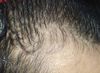
A 25-year-old is using vinpocetine to enhance the absorption of topical Minoxidil for hair loss. They also use a hair tonic and supplement with Glycine, Taurine, Creatine, and Citrulline.
A user shared their 6-month hair loss treatment journey using minoxidil, finasteride, ketoconazole, and a dermaroller, noting minimal changes between months 3 and 6. Other users discussed similar routines, cutting finasteride pills, and the benefits of using a dermastamp over a roller.
A peptide-based hair loss treatment, PP405, reportedly increased hair density by 62% in 90 days, but these claims are unverified and met with skepticism. Users compared PP405 to Minoxidil and Finasteride, expressing doubts about its effectiveness without more evidence.
A 28-year-old shared surprising hair regrowth progress after 20 days using topical minoxidil, micro needling, GHK-cu, and BPC-157 injections. The user noted a significant reduction in their bald spot and overall hair improvement.
Ketoconazole 2% shampoo effectively regrew hair by treating scalp dermatitis and inflammation. The user also used jojoba and oat oil, Aveeno moisturizer, and hyaluronic acid for scalp care.
The conversation discusses whether stemoxydine needs to be used for life for hair loss treatment. One user suggests that stemoxydine does not require lifelong use and can make hair exit the resting phase faster, but the benefits may be temporary.
Probiotics like L. reuteri ATCC PTA 6475 and B. longum BB536 may improve hair growth and density by reducing inflammation and reversing DHT damage. The user is trialing these probiotics personally, ordering them from the U.S. to Canada, and plans to continue if no adverse effects occur.
The conversation discusses natural methods for addressing male pattern baldness, with the original poster using a plant-based diet, herbs, scalp massages, pumpkin seed oil, and dermapen treatments, while avoiding pharmaceuticals like minoxidil and finasteride due to concerns about side effects. Other users suggest that pharmaceuticals like finasteride may be necessary for significant hair loss, but the original poster remains committed to natural approaches.
A user discusses using latanoprost, a costly treatment that may extend the hair growth phase and improve hair quality, wondering why it's not more popular. They already use a combination of finasteride and minoxidil and plan to incorporate latanoprost into their routine.
A user is experiencing hair loss and is using Morr F 5% Minoxidil, Finasteride Lipid Solution, ketoconazole shampoo, and biotin tablets. They seek advice on the correct application method and hair partitioning.
Concerns about the potential systemic effects and safety of PP405 for hair loss, with discussions on its comparison to existing treatments like finasteride and minoxidil. Users express skepticism about untested research chemicals and emphasize the importance of clinical trials to ensure safety and efficacy.
A user shared their 7-month progress on hair regrowth using a regimen of dutasteride, minoxidil, stemoxydine, microneedling, and keto shampoo. They noted significant improvement, particularly in vellus hair growth, and discussed the potential addition of RU58841, though they experienced side effects with it previously.
Hair regrowth and gender transition using finasteride, estrogen, and spironolactone. Significant hair regrowth and personal transformation were achieved through hormone replacement therapy.
Jordan-Iliad has been using a combination of finasteride, minoxidil, stemoxydine, microneedling, saw palmetto, peppermint and jojoba oils, ketoconazole shampoo, and Purador shampoo/conditioner for 3 months to treat their hair loss with stunning results. They have also recently started taking oral minoxidil 1.25mg/day in hopes of achieving even better results over the next 3 months.
The user switched from topical to oral finasteride and minoxidil, noticing thicker and longer baby hairs, suggesting potential regrowth at the temples. Other users agree it looks like a sign of success.
A user's 18-month hairline progress using minoxidil, finasteride, Nizoral, microneedling, and scalp massage. They share their routine and discuss treatment effectiveness and photo order confusion.
The user shared their hair regrowth journey since 2017, using treatments like finasteride, minoxidil, dutasteride, RU58841, microneedling, and later feminizing HRT. Significant progress was noted after starting HRT, with continued improvement in hair texture and regrowth.
The conversation discusses a hair regrowth protocol involving Dutasteride, Pyrilutamide, Stemoxydine, Minoxidil, Tretinoin, Oral Castor Oil, and L-Carnitine L-Tartrate. Some users are skeptical, particularly about the effectiveness and side effects of oral castor oil.
User discusses scalp micropigmentation for denser hair appearance and its benefits compared to lifelong treatments. Special ink is used, which can fade and blur over time but can be topped up.
PP405 is a medicine, and Google Ventures is funding its development based on evidence from each phase, unlike their investment in Juicero, which was a trend-based gamble. Investing in medicine is a calculated risk, not reliant on being "cool."
The user experienced noticeable hair regrowth in three months using finasteride, minoxidil, and weekly dermastamping, while managing scalp inflammation with clobetasol. The user also uses a sea salt shampoo and rosemary conditioner to help maintain scalp health.
The user experienced hair regrowth over four months using 5% topical minoxidil, oral biotin, and saw palmetto. They also use rosemary and mint conditioner and biotin shampoo.
The user reported subtle hair regrowth by focusing on scalp health and lifestyle changes, using Nizoral shampoo and methods to reduce inflammation and cortisol, without using finasteride, minoxidil, or other common treatments. Opinions in the conversation varied, with some skeptical of the results and others acknowledging the potential benefits of addressing scalp health and inflammation.
The conversation discusses updates on hair loss treatments, specifically GT20029, PP405, and a rumored injectable peptide from UT. GT20029 is seen as a promising treatment expected within 5-7 years.
The conversation discusses using finasteride, dutasteride, RU58841, and testosterone to combat hair loss and block DHT, with some users expressing concerns about side effects and vegan options for medication. The discussion also touches on personal experiences with hormone treatments and the desire to maintain a youthful appearance.
The user is starting a hair loss treatment using a mix of coconut oil and rosemary oil, combined with microneedling. They plan to post results in 6 months.
GT20029 showed promising results for hair growth in a Phase II trial, with the 1.0% twice-weekly regimen being the most effective. Some users expressed skepticism and humor about the product's effects and market availability.
A US federal judge ruled that using patients' stem cells for medical treatments is not under FDA jurisdiction, potentially speeding up development of stem cell-based hair loss therapies. Some users are optimistic about increased research and development, while others express skepticism about the ruling's impact on safety and efficacy standards.