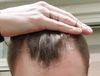
A 20-year-old male shared his 4-month hair regrowth results using finasteride, minoxidil, nizoral, and dermarolling. Commenters noted improved hair density and the potential for further progress.
PP405 shows promise in regenerating hair by activating dormant follicles. Other treatments like VDPHL01 and Breezula are also advancing, providing new hope for hair loss solutions.
Hair loss discussion includes treatments like Minoxidil, Finasteride, and RU58841. Users share experiences and support, mentioning that many people face hair thinning.
The conversation discusses the theory that scalp fibrosis contributes to male pattern baldness (MPB) by increasing DHT concentration, and mentions treatments like Minoxidil. The user seeks opinions on the theory and the effectiveness of scalp massages.
The conversation is about a user's progress in treating diffuse hair thinning using a topical regimen including finasteride, minoxidil, ketoconazole, microneedling, saw palmetto, collagen, and vitamins, along with lifestyle changes. The user plans to switch from topical to oral finasteride for potentially better results.
Discussion on hair loss treatments, focusing on Breezula, with mentions of Minoxidil, finasteride, RU58841, Pyrilutamide, GT20029, and PP405. Breezula's effectiveness is uncertain, with some trials showing minimal regrowth.
The conversation discusses the importance of scalp biopsies for diagnosing hair loss conditions like DUPA and Retrograde, which may not be just AGA. It emphasizes that treatments like finasteride and dutasteride may not work if the condition is autoimmune.
Hair loss, DHT and bloodflow with Andrew Huberman; the discussion includes opinions about supplements, finasteride, minoxidil, turmeric, coffee and botox injections for hair loss.
Clascoterone (Breezula) shows a potential 500% increase in hair growth, possibly outperforming minoxidil and finasteride. It is in advanced trials, with hopes for FDA approval, but cost and side effects are concerns.
The user experienced significant hair thinning despite using finasteride and minoxidil, leading to concerns about whether it's a temporary shed or a more serious issue. They plan to start using RU58841 and are advised to consult a doctor to rule out other causes like autoimmune disorders.
A user trying to avoid an expensive hair transplant, and the replies suggesting they wait two years on treatment before deciding if they need a transplant or not.
User "mynameisbogus" shares 2-month progress using Dut, Min, Oral Min, Keto, Dermarolling, and Retinol for hair loss at age 40. Others discuss impressive results and potential for full hair regrowth.
The user has been treating hair loss for a year using Hims topical finasteride/minoxidil, derma stamping, and RU58841, with plans to continue and hopes for more significant results. They have noticed some small hair growth at the temples and will provide updates on their progress.
The user experienced significant hair regrowth using oral minoxidil and dutasteride over several months. Many commenters praised the progress and suggested additional treatments like microneedling for further improvement.
The user experienced noticeable hair regrowth after using finasteride for 2 years, oral minoxidil for 1 year, and recently starting dermarolling. The right temple shows significant improvement, while the left remains similar.
The user has tried various treatments like Dutasteride, RU58841, Minoxidil, Finasteride, Spironolactone, Pyrilutamide, and Ketoconazole for hair loss without success and is considering a scalp biopsy to diagnose another condition. Others suggest consulting a dermatologist and possibly getting a biopsy, as the issue might not be typical male pattern baldness.
The conversation discusses GT20029, a compound by Kintor Pharma that degrades androgen receptors and is in trials, with potential as a hair loss cure. Another promising treatment mentioned is an antibody that blocks prolactin and has shown positive results in macaques.
The user is questioning whether their hair shows signs of regrowth or just normal growth after two weeks. They are using Minoxidil, Finasteride, and RU58841 for hair treatment.
A user shared progress pictures showing hair improvement after using Minoxidil Foam, Nizoral Shampoo, and microneedling. They plan to add finasteride in a few months.
The user has low testosterone and DHT levels and is considering taking finasteride for Norwood 2 hair loss with diffuse thinning. They are seeking advice on whether low DHT indicates high sensitivity to DHT in the scalp and opinions on their lab values.
A 22-year-old male uses dutasteride, a serum with 10% minoxidil and 0.5% finasteride, and microneedling for diffuse androgenetic alopecia. Progress pictures show changes from July 2025 to February 2026.
A user shared progress pictures 7 months after a hair transplant of 4600 grafts at Medart Hair in Istanbul, costing $2850 USD. They are using finasteride, vitamins, Procapil spray, a derma roller, and plan to start minoxidil soon.
The user has experienced significant hair regrowth using finasteride for 7 months and minoxidil for 3.5 months, with many commenters noting visible progress. The user has not experienced side effects and is considering additional treatments like microneedling.
The user "Turbulent_Mix_318" shared their progress pictures after 7 months of using finasteride, dutasteride, and oral minoxidil for hair loss. They did not experience any adverse effects except for increased hair growth in other areas.
The user shared progress pictures of hair regrowth using 1mg finasteride, 5% topical minoxidil, derma stamping, and rosemary and mint hair oil. Responses varied, with some noting visible regrowth and others questioning the effectiveness of the oils.
A user shared their experience with two hair transplants in Istanbul, highlighting the importance of choosing clinics with a low doctor-to-patient ratio, ISHRS membership, thorough consultations, and reliable aftercare. They emphasized the significance of PRP shots post-procedure and advised careful selection of clinics, especially for crown procedures, due to limited donor area opportunities.