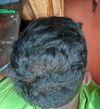
The user experienced significant hair growth using oral minoxidil and finasteride over nine months. The progress was well-received, with many noting impressive results.
A user shared their experience with a 7600 graft hair transplant using scalp, beard, and chest hair over three procedures, expressing satisfaction with the results despite mixed feedback. They also used finasteride to thicken hair and considered scalp micropigmentation for further improvement.
The user shared progress pictures showing improvement in hair growth after one year of using finasteride and minoxidil. They are considering microneedling to further improve their hairline and have chosen to use a derma stamp.
The user shared progress pictures after using oral finasteride 1mg daily and topical minoxidil 5% twice a day for 107 days, noting initial shedding that stabilized. Other users discussed application techniques, dosage, and shared encouragement and questions about side effects and results.
The post and conversation are about a user's 6-month progress using topical dutasteride, 8% minoxidil, tretinoin, 2% ketoconazole shampoo, microneedling, oral finasteride, pumpkin seed oil, Vitamin D3, a men's multivitamin, rosemary oil, and 5% minoxidil foam for hair loss treatment.
The user's progress in treating their hair loss using finasteride, minoxidil, vitamins, and microneedling, with one person suggesting to wait six more months before considering a hair transplant. The other person agreed that a hair transplant would be nice.
A 33-year-old experienced hairline improvement using finasteride and minoxidil, later stopping minoxidil while continuing ketoconazole shampoo. Initial side effects included shedding, reduced libido, and anxiety, but these resolved, leading to a full hairline recovery.
The user has been using finasteride since November 2023, which improved their hair and confidence, and they plan to switch to dutasteride and get a hair transplant. They noticed hair thickening after 3-4 months on finasteride and are considering oral dutasteride and minoxidil for further improvement.
A user shared their 3-month hair loss progress using 5% topical Minoxidil, 8% topical RU58841, 1mg Finasteride daily, and a 1.5mm derma stamp weekly. Another user commented that the results look improved.
User shared progress pictures showing significant hair improvement after using finasteride (0.25-0.5mg daily) for 11 months. Other treatments like microneedling, ketoconazole, and scalp massage were mentioned but not used consistently.
The user experienced increased hair density after starting 1mg finasteride in February and 2.5mg oral minoxidil two months ago, along with 10mg biotin daily. They initially used topical minoxidil but switched to oral due to application difficulties and have seen improvements without significant side effects.
The user experienced significant hair regrowth in 5 weeks using Minoxidil, Finasteride, Dutasteride, biotin, collagen, derma stamping, and a mixture of oils, leading others to label them a "hyper responder." Some users advised caution with microneedling frequency to avoid potential scarring.
The conversation is about seeking updates on new hair loss treatments, specifically mentioning scube3 and GT20029, with one person mentioning HMI_115 as showing promising results.
The user has been using finasteride, minoxidil, a dermastamp, and red light therapy for six months with no visible improvement since the three-month mark. Other users noted improvement, particularly in the left temple area, and encouraged the user to continue.
Tretinoin and microneedling both enhance hair growth through different mechanisms, with microneedling being considered safe for long-term use. Optimal microneedling needle length varies, but 0.8 mm is suggested for hair growth, and a Dermastamp is recommended to avoid skin damage.
A 43-year-old male with advanced hair loss is experimenting with alternative treatments, including red light therapy, microneedling, scalp massages, an oil mix, and ketoconazole shampoo, after previously experiencing side effects from finasteride and minoxidil. He noticed some minor changes with red light therapy but remains skeptical about significant improvement.
The user shared two-month results using a topical spray with 0.3% finasteride, 7% minoxidil, 2.2% ketoconazole, and 0.2% biotin, showing improvement in hair loss. The user also mentioned using hair fibers previously and dermastamping inconsistently.
The user reports using topical minoxidil 6% and finasteride 0.05% once daily, along with microneedling, vitamins, biotin, and nizoral shampoo. They recently increased minoxidil and finasteride to twice daily and feel their hair is thicker but are unsure about regrowth.
A 30-year-old shared their successful hair restoration journey using liposomal topical finasteride and minoxidil, vitamins, and a second hair transplant in Greece, which significantly improved their hair density without side effects. The transplant cost $7500 and involved filling an old scar, with the user expressing gratitude for the life-changing results.
The user experienced significant hairline regrowth over seven months using oral finasteride, topical minoxidil, and microneedling. Initial shedding occurred, but baby hairs appeared around three months, gradually maturing to fill in the hairline.
Finasteride, minoxidil, and derma rolling are currently the best treatments for hair loss. New treatments like TDM-105795, GT20029, PP405, HMI 115, Tsuji, Scube 3, RU, JW0061, Topilutamide, and verteporfin show promise but have uncertain timelines.
A 24-year-old male experienced increased hair shedding after switching to a new topical finasteride and minoxidil solution with a better carrier. He is concerned whether this shedding indicates progress or a setback in his hair loss treatment.
A user shared their 6.5-month experience with topical finasteride (2%) and minoxidil (5%), noting initial progress followed by a significant shedding phase. Others in the conversation reassured that shedding is normal and suggested staying consistent with the treatment for potential regrowth.
The conversation discusses hair shedding experienced by users undergoing hair loss treatments, including finasteride, minoxidil, and microneedling. Many users report experiencing significant shedding around the 8-12 month mark, which is considered a normal part of the hair regrowth process, with expectations of stronger regrowth following the shedding phase.
The user reported hair thickening and new growth after using minoxidil and microneedling for over three months. They are considering finasteride but have not started it yet.
The user experienced significant hair regrowth over 10 months by using 1.5mg oral finasteride and minoxidil daily, along with weekly derma stamping, after a previous hair transplant and initial thinning. The conversation highlights the importance of using DHT blockers post-transplant to maintain results.
User started finasteride in Oct 2021 and experienced reduced shedding and side effects. Saw improvements in months 3-5, but worsening in months 11-13, and asks for advice on next steps.
A user shared a 10-month update on their hair loss treatment, including a hair transplant of 2300 grafts and 7.5 months of using a topical minoxidil/finasteride solution and ketoconazole shampoo. They expressed regret for not starting the medications sooner and reported side effects like heart palpitations, which improved after cutting out caffeine.
The user experienced significant hair regrowth using topical minoxidil 5% twice daily and 1mg finasteride daily, along with microstamping every 14 days. They reported initial shedding but achieved satisfying results by month four, with minimal side effects.
An 18-year-old experiencing diffuse hair thinning since 8th grade seeks advice. They are concerned about having less hair than their 52-year-old father and are looking for treatment options.