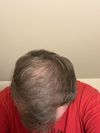
A user's progress with treating their hair loss, which consists of using Dutasteride, RU58841, Stemoxydine and Tretinoin 0.05% over the past three months.
Hair loss treatments, specifically 5AR inhibitors, can impact neurosteroids and sexual health. The effects of topical fin/dut on tissue-specific DHT levels are unclear.
The user showed progress in hair regrowth using topical Minoxidil, oral Finasteride, and derma rolling with tretinoin. They seek advice on achieving Norwood 1 and the number of grafts needed for hairline restoration.
David Barreto shared that a London-based research group is conducting a 12-month trial for a new nutraceutical treatment for pattern hair loss, designed with Dr. Carlos Puig. The trial aims to provide robust data, with results expected in 1-2 years, potentially representing a significant advancement since finasteride’s introduction in 1997.
A user successfully improved their hairline after 15 months using topical minoxidil and dutasteride. Some commenters question the necessity of treatment given the user's original hair condition, while others support early intervention.
The conversation discusses HMI-115, a potential cure for hair loss. Users share mixed opinions, with some expressing skepticism and others sharing anecdotal evidence of its effectiveness, including photos of significant hair regrowth from a trial participant.
A user who was part of an ongoing trial for a prolactin blocker and had regrowth, but the progress photos were not shared due to negative reactions from other users. Treatments mentioned include HMI-115, Minoxidil, Finasteride, and RU58841.
A treatment showed a 20% hair density increase in weeks, with nearly a third of participants experiencing significant results, while questions remain about its long-term efficacy and effectiveness across different scalp areas. There is interest in combining it with finasteride and minoxidil for potentially better outcomes.
A user has been using Hims topical finasteride and minoxidil for seven months, along with micro needling, and is asking if there's an improvement in their hairline. Responses vary, with some seeing progress and others criticizing the photo quality for comparison, but no side effects were reported.
The conversation discusses a user's six-month progress in treating hereditary hair loss using a regimen that includes minoxidil, finasteride, dutasteride, and other medications. Opinions vary on the effectiveness and logic of the treatment, with some users suggesting additional methods like microneedling.
The conversation is about someone planning to start finasteride for hair loss and wanting to interpret pre-treatment blood panels to assess the risk of side effects like gynecomastia. They list various tests to measure hormone levels and other health indicators.
A user shared their experience with hair loss treatments, including finasteride, topical finasteride, derma rolling, melaleuca oil, caffeine powder, topical vitamin D, keto shampoo, and revive shampoo. They also changed their diet to address psoriasis and leaky gut.
User shared 4.5-month hair loss treatment results using Fin, Minoxidil, and microneedling. Others discussed postponing hair transplant and adjusting microneedling depth.
The user plans to test for DHT, total testosterone, free testosterone, E2, SHBG, and prolactin while supplementing with vitamin D and monitoring ferritin levels. They are experiencing hairline thinning and are seeking advice on whether their approach is excessive or lacking.
The conversation discusses a new hair growth treatment that showed a 14 hairs/cm2 increase in a trial, with mixed opinions on its effectiveness and potential cost. Some users are hopeful about combining it with existing treatments like oral minoxidil for better results.
User shares 4-month progress using finasteride, minoxidil, and microneedling for hair loss. Others discuss body hair, hair transplant possibilities, and user's treatment response.
After 2 months of using Minoxidil and finasteride, OP noticed fuller hair, confirmed by their wife's observation. OP is pleased with the progress, though the change isn't drastic.
Clascoterone 5% solution showed a 539% improvement in hair count compared to placebo, but the actual increase in hair growth is minimal. Users express skepticism about the effectiveness of hair loss treatments.
The conversation discusses whether a longtime NW7 scalp has vellus hairs under a microscope or is completely smooth. Treatments mentioned include Minoxidil, finasteride, and RU58841.
The user had lab work done to check for thyroid issues and other factors related to hair loss. They are seeking advice on which lab results are important for understanding hair loss and what the optimal levels should be.
Minoxidil and finasteride have improved hair thickness and density, but temple areas remain stubborn. Continued use is recommended, with suggestions for topical minoxidil, microneedling, or considering a hair transplant for further improvement.
The user shared their one-year progress using topical finasteride 0.3% alongside minoxidil for hair loss, reporting noticeable improvements in hair density, especially at the crown, with no significant side effects. They are considering continuing the treatment and possibly trying oral dutasteride if needed.
User shared 8-month hair loss treatment progress using topical fin/min, topical dut, mk677, RU, and microneedling. They experienced watery semen as a side effect but saw significant improvement in hair growth.
The conversation discusses a user's two-year hair regrowth progress using finasteride, minoxidil, and microneedling. One user asks for a timeline of progress, another comments on hair length, and the original poster mentions using microneedling sporadically.
TDM-105795 showed promising hair growth results, with higher efficacy than placebo and minimal side effects. It activates dormant hair follicle stem cells and may maintain gains without immediate loss, unlike minoxidil.
The efficacy of various hair loss treatments, including Finasteride and Dutasteride, with personal anecdotal evidence about potential side effects. It also includes advice to get a male hormone blood panel done before starting treatment, and lifestyle changes to minimize side effects.
The conversation is about which blood markers to test before starting a 5-AR inhibitor for hair loss. The user mentions already testing Total T, Free T, SHBG, Estradiol, Haematocrit, Red blood cell count, and White cell count, and asks if DHT or additional markers are needed.
PTD-DBM is being explored for hair regrowth by targeting CXXC5, with clinical trials expected after pre-clinical studies. Users express anticipation and skepticism about its effectiveness.
The user successfully regrew hair using Finasteride, Minoxidil, and microneedling, achieving thicker hair and a fuller hairline. They recommend this method over hair transplants, highlighting the importance of patience and consistency.
The conversation is about organizing hair regrowth results using a standard format in a single post for easier access. Treatments mentioned include oral minoxidil, oral finasteride, and dermarolling.