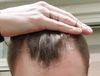
A 27-year-old Asian male is treating hair loss with 1mg oral finasteride, topical minoxidil twice daily, and 1.5mm microneedling weekly. The discussion is about his progress with these treatments.
A 24-year-old male has been using oral finasteride and minoxidil for 7 months with noticeable results but seeks advice for improving frontal hair density. A suggestion was made to add microneedling to enhance absorption and stimulate growth.
The conversation is about improving scalp appearance by regaining adipose tissue and making the skin look better using scalp massages and a moisturizer with hyaluronic acid, ceramides, and urea. The user is not trying to regrow hair but wants to improve the scalp's thickness and appearance.
8 months post hair transplant, OP experiences asymmetrical shedding despite using finasteride and starting minoxidil. The doctor suggests it might correct itself or be due to transplant trauma, recommending a wait-and-see approach.
A user shared an 18-month update on their crown hair transplant, performed by Jason Sorgi at Boston Hair Restoration, expressing satisfaction with the results. They continue to use oral minoxidil and finasteride to maintain hair health.
A 30-year-old male with androgenic alopecia shows progress after using dutasteride (0.5 mg daily) and topical minoxidil (5% twice daily) for 3.5 months. Users suggest adding dermastamping for better results.
A user shared their experience using topical finasteride for 6 months, showing a reduction in DHT levels but no visible improvement in hair loss. They are considering switching to oral finasteride for potentially better results.
A 40-year-old shared their positive experience with a second hair transplant at HDC Cyprus, involving 4148 grafts and costing around 9,000 euros. They used oral minoxidil, Dutasteride, biotin, and vitamins to aid recovery and were pleased with the results.
A new stem cell method for culturing hair follicles is being developed as an alternative to Minoxidil, finasteride, and RU58841. There are concerns about its cost and accessibility despite plans for commercialization.
A 17-year-old improved his hairline using minoxidil and derma stamping, planning to start finasteride at 18. He received advice on dosing and potential side effects to maintain results.
A 23-year-old male showed hair regrowth after using finasteride and minoxidil daily for three months, with no significant side effects. Others shared their experiences and discussed side effects and photo lighting differences.
User tries dermapen for hair loss and plans to use non-mainstream topicals like c60, ghk-cu, and ptd-dbm with valproic acid. They also use a head massager and modified LLLT belt for additional treatment.
Hair regrowth in transfems is more effective due to hormonal changes, specifically estrogen, which keeps hair in growth phase longer. Treatments mentioned include anti-androgens, sex hormones, and DHT blockers like finasteride.
The user shared their one-year progress using finasteride, minoxidil, a dermastamp, and ketoconazole shampoo, noting stabilization but challenging regrowth in the temples. Another user discussed using a 1.5mm dermastamp daily with minoxidil for better results, but concerns about scarring were raised.
A user's experience of using Fin, Min and Microneedle treatments to help thicken their hair before undergoing a Hair Transplant (HT) procedure. The conversation also includes discussion about the results post-HT, including pictures.
Why androgenic alopecia affects the scalp rather than other body parts, potential explanations for this phenomenon, treatments available to combat hair loss, and the implications of male attractiveness in modern society.
The user reports improvement in temple hair after three weeks of using finasteride, minoxidil, ketoconazole, microneedling, stemoxydine, and follicopeptide. They note visible progress by maintaining the same hair length for comparison.
A 20-year-old noticed hairline changes after using testosterone and started finasteride to address it. They are considering using minoxidil but are advised to monitor progress on finasteride first before adding it.
The conversation is about a user's progress with an oral treatment for hair loss using a stack of finasteride, minoxidil, and biotin over two months, noting stabilization after an initial shed. The user mentions using Hims Chews, which are effective but costly, and another user comments that biotin is ineffective.
Reducing scalp DHT doesn't directly correlate with preventing hair miniaturization, as different follicles have varying sensitivity levels. Dutasteride at 0.5 mg and 2.5 mg shows minimal visual difference in hair regrowth, with side effects being a consideration for higher doses.
The user is using testosterone and finasteride to prevent hair loss and is considering adding Primobolan or Masteron, which are DHT-derivatives. They are seeking advice on their genetic risk for male pattern baldness and whether they can safely use these compounds without significant hair loss.
User is impressed with 3-month progress using Hims oral finasteride, minoxidil, and biotin. Encouragement to view hair loss treatment as a long-term strategy.
The conversation discusses using topical liposomal finasteride for hair loss, with concerns about high DHT levels. The user's DHT level is above the normal range, which may affect hair health.
David Barreto shared that a London-based research group is conducting a 12-month trial for a new nutraceutical treatment for pattern hair loss, designed with Dr. Carlos Puig. The trial aims to provide robust data, with results expected in 1-2 years, potentially representing a significant advancement since finasteride’s introduction in 1997.
A 28-year-old is assessing their hair loss on the Norwood scale, considering adding topical minoxidil and dermastamping to their current regimen of oral finasteride and minoxidil. They feel their hair loss is worsening and seek opinions on their condition.
Rhamnose may promote hair growth and pigmentation, suggesting it as a potential hair loss treatment. The conversation discusses its potential alongside known treatments like Minoxidil, finasteride, and RU58841.
Adipose fat cells and stem cells may help treat hair loss by restoring the scalp's thickness. Treatments like NanoFat injections and Botox are discussed for their potential to promote hair growth.
The user experimented with finasteride to reduce hair loss and plans to test if creatine affects DHT levels while on finasteride. Initial results showed low DHT levels, indicating finasteride's effectiveness, with further tests planned for creatine's impact.
A 23-year-old male had a hair transplant with 3500 grafts and is using finasteride, minoxidil, hair vitamins, and a keto shampoo. He seeks advice on crown regrowth and when to start dermastamping.
The user is generally happy with their hair transplant results but has concerns about graft density and placement, particularly on the left temple and hairline. They are using finasteride and minoxidil inconsistently, plan to add Priorin, and are considering microneedling and PRP sessions for future care.