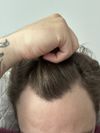
The user is concerned about patchy hair regrowth after 5.5 months of treatment. They are questioning if more hair growth can be expected in the upcoming months.
Pelage, backed by Google Ventures, is seen as a promising company potentially finding a cure for hair loss using stem cell activation. There is skepticism and optimism among users, with some awaiting results from ongoing trials.
This user has been taking finasteride for several years and recently added topical minoxidil to their regimen, specifically targeting the area of hair loss. They are wondering if this was a wise course of action.
HairClone aims to rejuvenate miniaturizing hair follicles through follicle banking and cell expansion, with treatments potentially available in the UK by 2022. The process involves extracting, storing, and cloning hair follicles, but full regenerative treatments will take many years to develop.
The conversation discusses using hair follicle dermal papilla exosomes for hair loss treatment. It inquires about purchasing options for this treatment.
The conversation discusses a hair loss treatment regimen using Alfatradiol, Pyrilutamide, and Minoxidil. The user shares their current stack of these treatments.
GHK-Cu is discussed for hair loss treatment, with some users reporting positive results using a 4% topical serum, but concerns exist about the long-term safety of oral or injectable forms. The original poster also uses finasteride and plans to start dutasteride.
The user started using finasteride, minoxidil, and biotin for hair loss and believes they are a hyper responder, noticing significant changes in hair thickness. They regret not starting earlier and mention using oral minoxidil.
Hair follicles can be dormant and potentially revived with treatments like finasteride and minoxidil, but irreversible loss occurs if certain structures are destroyed. Early intervention is more effective, and additional methods like microneedling may help.
The user noticed hair regrowth after 4 years of hair loss, coinciding with lifestyle improvements like quitting smoking, exercising, and a better diet. They are curious if dormant follicles can recover under improved conditions.
Alfatradiol is often discussed at a 1% concentration, but studies typically use 0.025%. Some users report success using it as a topical treatment alongside other hair loss treatments like finasteride.
A user was diagnosed with male pattern baldness and prescribed biotin, vitamin D, a hair serum, fluocinolone shampoo, and a gel with minoxidil and finasteride. Other users suggest focusing on oral finasteride and minoxidil, questioning the necessity of the other treatments.
The user experienced genital itching while using finasteride and noticed a yellow bump, which improved with clotrimazole, but the itching persists. The discussion focuses on side effects of finasteride.
The conversation discusses hair regrowth and miniaturization, with the user transitioning to oral dutasteride and oral minoxidil, and occasionally using topical minoxidil. The user observes baby hairs near the hairline but less on the scalp, indicating possible regrowth and shedding.
The user has been using oral finasteride, oral and topical minoxidil, RU58841, and microneedling to treat hair loss, with recent additions of oral dutasteride, GHK-Cu serum, and increased microneedling. They report visible thickening and new hair growth, expecting significant improvement by next June.
The user is generally happy with their hair transplant results but has concerns about graft density and placement, particularly on the left temple and hairline. They are using finasteride and minoxidil inconsistently, plan to add Priorin, and are considering microneedling and PRP sessions for future care.
A 28-year-old underwent three hair transplants totaling 11,102 grafts at Eugenix, using finasteride and minoxidil to manage advanced hair loss. Despite limited density, the results are satisfactory, allowing the individual to feel presentable without a hat.
The user received trichotest results indicating finasteride is ineffective for them, and they plan to use dutasteride mesotherapy and add cetirizine to minoxidil. They seek advice on incorporating dutasteride into their regimen.
A 22-year-old is experiencing diffuse hair thinning all over the head, losing about 300 long hairs daily, despite having good genetics and vitamin levels. They are seeking advice on whether this pattern is normal and considering consulting a dermatologist.
Hair transplant success largely depends on individual biology, with many patients needing multiple procedures to achieve satisfactory density. Even top surgeons can't guarantee results, and many people use additional treatments like Minoxidil and Finasteride.
Verteporfin shows promise in donor hair regeneration after 84 days. Combining Finasteride, Minoxidil, and Pyrilutamide with unlimited hair transplants is seen as a potential near-cure for hair loss.
A 7-month progress report of using finasteride and minoxidil, as well as keto dieting and derma stamping; the discussion also touched on RU58841 and its potential side effects.
A 28-year-old is assessing their hair loss on the Norwood scale, considering adding topical minoxidil and dermastamping to their current regimen of oral finasteride and minoxidil. They feel their hair loss is worsening and seek opinions on their condition.
A 27-year-old using minoxidil and dutasteride for hair loss has seen significant improvement but is considering a hair transplant for a more defined hairline. Most responses suggest the hair looks good, advise against a transplant, and recommend patience or trying microneedling or tretinoin.
A peptide from Japanese water chestnut fruit may help with hair loss by suppressing DHT's effect on hair follicle cell death, potentially serving as a finasteride alternative. The treatment's effectiveness and safety in humans remain uncertain.
The conversation is about someone's improvement in hair density and hairline appearance after consistently using finasteride, topical minoxidil, dermarolling, and ketoconazole. They shared a progress picture showing the best results they've seen since starting treatment.
The post argues that Post-Finasteride Syndrome (PFS) is likely not real and suggests symptoms may be due to mental health issues or the nocebo effect. The conversation includes personal experiences with finasteride, highlighting both positive and negative effects, and emphasizes consulting doctors and using reliable sources for medication.
A 29-year-old male with androgenic alopecia was treated with oral Dutasteride, oral Minoxidil, and injectable Dutasteride, showing progress in 9 months. Some users believe Dutasteride mesotherapy is unnecessary and question its effectiveness compared to topical applications.
A user from China is participating in a clinical trial for Pyrilutamid, a potential hair loss treatment originally developed for prostate cancer. They've experienced no side effects except initial scalp itchiness, and will share results after the year-long trial.
The user is expressing an obsession with hair loss and spends all their time researching and discussing it. Other users suggest seeking therapy and focusing on other aspects of life.