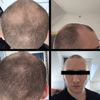
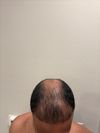
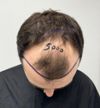
The conversation discusses hair regrowth progress after 2.5 months using pyrilutamide and minoxidil. Participants note visible improvement in a short time.
The user is concerned about hair loss and is considering treatments like finasteride and minoxidil but is unsure about their effectiveness and side effects. They have experienced mixed reactions to shaving their head and are struggling with confidence due to balding.
A user shared their positive experience with Roots by GA, a company that creates personalized hair loss treatments based on DNA analysis, which confirmed their inability to tolerate finasteride. The user is satisfied with their progress 30 days after a hair transplant and the customized formula they received.
A 23-year-old shares progress in hair quality after 4 months using dutasteride, topical minoxidil, and other treatments, noting improved crown thickness but persistent temple thinning. They switched from finasteride to dutasteride due to side effects and started testosterone replacement therapy, which they believe helps mitigate side effects.
The user has been using topical finasteride 0.1%, minoxidil 5%, red light therapy, a multi-peptide serum, and a weekly oil hair mask with various oils for hair loss treatment. They also use ketoconazole shampoo, condition their hair, and microneedle with a dermapen.
Amplifica's new injectable treatment for androgenetic alopecia shows a 15% increase in hair thickness and coarseness in 60 days. The treatment is in early human trials and offers a promising alternative to hormone-related hair loss treatments.
PP405 shows potential for hair growth by increasing terminal hair and converting vellus hairs, but results are modest and more waiting is needed. It complements existing treatments like minoxidil and finasteride, but won't replace them.
A user has been taking finasteride for 5 months with no improvement in diffuse hair loss and suspects high levels of prolactin, cortisol, progesterone, and DHEAS, as well as iron, might be contributing to the issue. They are also taking vitamin D to address a deficiency.
The user is unhappy with the results of a FUT hair transplant from 2021, noting uneven hair texture and persistent thinning. They are considering a FUE procedure and have been using finasteride for a year, previously used minoxidil, and currently use Toppik for concealment.
The user had a hair transplant with Estenove, rating the overall experience 6/10 due to logistical issues, unmet expectations, and dissatisfaction with the results. They advise against pricier packages and express regret over the asymmetrical hairline, despite good customer service and post-op care.
The user is considering switching their hair loss routine from taking finasteride daily to a combination of finasteride six times a week and dutasteride once a week. They are seeking advice on this potential change.
A 39-year-old male is experiencing hair regrowth after three months using 1mg oral finasteride daily, 5% topical minoxidil twice daily, dermastamping twice a month, and 2% ketoconazole shampoo weekly. He shares progress photos and receives encouragement and advice from others, noting some improvement and considering additional treatments but is limited by budget.
User "Chemical_Elephant_70" shares 2.5 months progress with finasteride. Some users doubt results, mentioning use of topical minoxidil and questioning hair growth cycle.
Clascoterone in Winlevi, a topical AR antagonist, is being re-examined due to concerns about HPA axis suppression in adolescents, but it's unlikely to be banned for adult use in androgenetic alopecia (AGA). The European Medicines Agency recommended refusing Winlevi for acne vulgaris, but this may not affect Breezula's approval for AGA.
The user is using a hair loss regimen involving 2ddr applied twice daily, tretinoin weekly, and occasionally micro-needling. They report feeling increased scalp thickness and seeing some hair growth progress.
2% fucoidan alleviated AGA symptoms, promoted hair growth, and increased hair density in mice. Fucoidan is considered safe for humans as a supplement and topical skincare product, with potential therapeutic effects against AGA.
The conversation discusses severe hair shedding and thinning, with the original poster using finasteride, oral minoxidil, and other supplements without improvement. The discussion highlights the possibility of telogen effluvium and the importance of addressing potential underlying health issues, such as stress and gut health, rather than assuming diffuse unpatterned alopecia (DUPA).
A quercetin-encapsulated and polydopamine-integrated nanosystem (PDA@QLipo) shows promise for treating androgenetic alopecia by reshaping the perifollicular microenvironment, outperforming minoxidil in hair regeneration. The nanosystem promotes cell proliferation, hair follicle renewal, and recovery by scavenging reactive oxygen species and enhancing neovascularity.
The user discusses their experience with hair loss despite taking estrogen and cyproterone, and estimates needing around 3000 grafts for a feminine hairline. They are considering getting the procedure done in Turkey due to high European costs.
Exploring hair loss treatments beyond DHT, including Minoxidil, pyruvate, Gt20029 targeting androgen receptors, and vasodilators. Other options like Kx826, adenosine signaling, growth factor topicals, and microneedling are also discussed.
A user shared progress pictures after 6 months of using a topical treatment with 6% Minoxidil and 0.3% Finasteride, showing improved hair density. Other users encouraged the progress and suggested adding a derma stamp for better results.
Hair follicle regenerative therapy is being developed, with clinical trials planned in Japan, potentially allowing for hair cloning and eliminating the need for treatments like finasteride. If successful, the treatment could be available in Japan by 2025, but widespread access and affordability may take longer.
A user shared impressive progress at 4 months post-hair transplant with 5120 grafts by Dr. Ahmet Yildirim in Istanbul. The user expressed satisfaction with the results, which exceeded expectations.
Finasteride reduces DHT production, so blood tests can track hormonal changes. Pyrilutamide blocks androgen receptors without altering hormone levels, making blood tests less useful for detecting its effects.
The user shared their hair regrowth journey since 2017, using treatments like finasteride, minoxidil, dutasteride, RU58841, microneedling, and later feminizing HRT. Significant progress was noted after starting HRT, with continued improvement in hair texture and regrowth.
The conversation is about enhancing dermarolling for hair loss by using topical peptides like tb-500 or GHK-Cu to aid in healing and hair growth, and whether anyone has experienced significant results from this method.
The user Consistent-Gene1334 shared their positive results in regrowing hair by using topical minoxidil and oral finasteride. Other users in the conversation praised the results and discussed the effectiveness of these treatments for diffuse thinning.