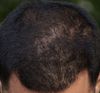
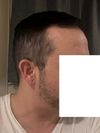
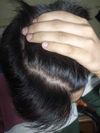
The conversation discusses using USB microscopes for scalp photos and provides a link to an overview of trichoscopy. Treatments mentioned include Minoxidil, finasteride, and RU58841.
The conversation discusses using topical liposomal finasteride for hair loss, with concerns about high DHT levels. The user's DHT level is above the normal range, which may affect hair health.
A 27-year-old man shared his hormonal panel results after one year of taking finasteride 1mg/day for hair loss, showing his DHT levels nearly doubled. He reported stabilized hair loss with mild side effects that resolved, and he is considering a hair transplant but is concerned about the increased DHT levels and potential treatment options.
The user is experiencing a strange hair loss pattern despite using dutasteride for 3 years and minoxidil with tretinoin for 1.5 years. They recently added microneedling and are considering a scalp biopsy to understand the cause.
There are no tests to determine genetic follicle sensitivity for hair loss, and conclusions are based on hypothetical or post-balding observations. Finasteride is mentioned as an easy, consistent treatment option compared to natural treatments.
A person shared their hair regrowth journey using HIMS topical treatments with finasteride, minoxidil, hormone replacement therapy (HRT), and microneedling. They also discussed their transition as a transgender woman and the positive impact of HRT on hair recovery.
The user is satisfied with hair transplant progress after 4 months, using finasteride, vitamins, shampoo, and serum for hair loss. Others compliment the results and anticipate further improvement.
The user is experiencing one-sided diffuse thinning and has been using finasteride and liquid minoxidil for 4-5 years with minimal results. They are considering whether to save for a hair transplant or address scalp sensitivity and irritation first.
A 32-year-old male started taking 0.5mg of finasteride daily for hair thinning and, after 8 weeks, experienced a 70% reduction in DHT and an increase in estradiol; he is currently in the shedding phase of treatment and questioning if the dosage is correct based on his DHT levels. He began with a lower dose due to already low normal testosterone and DHT levels.
Norwood 7 hair loss is often excluded from trials to ensure treatments appear more effective and to reduce costs. Some believe treatments effective for Norwood 5 could work on Norwood 7, but companies prioritize market readiness.
The conversation discusses using GHK-Cu for hair loss, with one user suggesting subcutaneous administration for better control. The effectiveness of topical application is questioned due to a lack of reliable reviews.
A 20-year-old male is unsure how to interpret his bloodwork results and whether he should take finasteride for hair loss. His bloodwork shows borderline high levels of albumin and testosterone, and high progesterone, but normal levels of other hormones.
Before starting hair loss treatment, it's suggested to undergo various blood and health tests to minimize side effects. The checklist includes tests for kidney function, liver enzymes, blood sugar, vitamins, hormones, and more.
The user has been using finasteride, dutasteride, and minoxidil without success and is considering a comprehensive blood test to explore other causes of hair loss. They are unsure about the necessity and cost of the extensive tests and are seeking advice on whether to proceed with the full panel or focus on specific tests.
A human trial of verteporfin, a potential treatment for hair loss, with some users noting potential improvements in scarring and overall healing compared to control areas.
The conversation discusses the use of trichoscopy to predict hair loss patterns and inform treatment approaches. Treatments mentioned include minoxidil, finasteride, and dutasteride, with varying effectiveness based on gender-specific hair loss patterns.
The user is pleased with their hair transplant results after six months and seeks feedback. The conversation is positive, with others affirming the success of the procedure.
The conversation discusses changes in scalp texture and appearance in areas of hair loss, with concerns about the suitability of these areas for hair transplants. Users mention issues like fibrosis, inflammation, and thinner skin, advising caution and consultation with clinics before proceeding with transplants.
The user plans to test for DHT, total testosterone, free testosterone, E2, SHBG, and prolactin while supplementing with vitamin D and monitoring ferritin levels. They are experiencing hairline thinning and are seeking advice on whether their approach is excessive or lacking.
A user's experience of using Fin, Min and Microneedle treatments to help thicken their hair before undergoing a Hair Transplant (HT) procedure. The conversation also includes discussion about the results post-HT, including pictures.
User is impressed with 3-month progress using Hims oral finasteride, minoxidil, and biotin. Encouragement to view hair loss treatment as a long-term strategy.
The user is concerned about high DHT levels despite using finasteride and dutasteride for hair loss, suggesting these treatments may not be effective. They plan to consult an endocrinologist and consider other antiandrogens, acknowledging potential side effects.
A 17-year-old is concerned about hair loss and shares photos for opinions. A user responds that the hair looks normal but is hard to assess from the images.
Taurine shows potential in combating hair loss caused by chemical stress, especially when combined with other treatments like finasteride. Finasteride demonstrated better stress-reducing effects in the study.
The user had lab work done to check for thyroid issues and other factors related to hair loss. They are seeking advice on which lab results are important for understanding hair loss and what the optimal levels should be.
A user on finasteride for 8 months shared bloodwork results showing increased testosterone and estradiol levels, with concerns about high LH. Responses advised monitoring for symptoms but noted levels are within reference ranges.
A user shared their 5-month progress in treating hair loss using HIMs topical finasteride and minoxidil, micro-needling with a 1.5mm needle, and RU-58841. The post includes progress pictures showing improvement from a NW7 hair loss stage.
Finasteride and Nizoral shampoo with Ketoconazole are used for hair loss treatment. Liquid Chromatography–Mass Spectrometry (LC-MS) is recommended over Enzyme-Linked Immunosorbent Assay (ELISA) for more accurate DHT testing.
The user is considering getting blood work to investigate the cause of ongoing hair loss despite using finasteride and dutasteride. Others suggest that while blood tests can provide useful health information, they may not change the hair treatment outcome.
The conversation discusses the less impressive results of Pyrilutamide (kx-836) in phase 3 compared to phase 2, with a suggestion that a longer study might show more significant results. One user reports personal success with Pyrilutamide, experiencing no further hair loss and gradual regrowth.