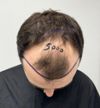
A 30-year-old woman with a history of anemia and low vitamin D experienced hair shedding, which improved after addressing nutrient deficiencies. Despite regrowth of terminal hairs, her dermatologist recommended treatments like minoxidil and spironolactone to prevent future bald spots, but she is cautious due to family history of hormone-related cancers.
The user shared their hair loss treatment progress using topical products like exosomes, fluridil, Kx826, and topical dutasteride, avoiding oral finasteride and dutasteride due to side effects. They found exosomes from Creative Biolabs most effective and also used topical probiotics, noting improvements without significant side effects.
A user has been treating hair loss with finasteride for two years without success and is experiencing an itchy scalp with seborrhea. Despite low DHT levels, they are still losing hair, suggesting that DHT might not be the main cause of their hair loss, and they are considering other treatments or causes.
The conversation discusses a person's experience with hair loss treatments, including 7 months of using finasteride and minoxidil, switching to oral minoxidil, using ketoconazole shampoo, and microneedling. They notice hair regrowth more with flash photography than in regular light.
Red flags to watch for when choosing a hair transplant clinic, such as high-pressure sales tactics, unclear surgeon assignments, and unrealistic promises. A user shared a positive experience with Skin Medics UK, highlighting transparency and personalized care.
A female user with chronic anemia and vitamin deficiencies is experiencing finer, straighter hair and seeks recommendations for scalp products to improve circulation and prevent potential hair thinning. She is considering growth oils but is unsure of their effectiveness.
The user shared 6-month results using finasteride, minoxidil, ketoconazole shampoo, vitamin D, calcium, and biotin, showing significant improvement. Another user praised the results as excellent.
The user experienced no improvement in hair loss with finasteride and minoxidil but had side effects. They plan to add wounding, scalp massage, vitamin K, and taurine supplements to their regimen and seek feedback on these additions.
Adipose fat cells and stem cells may help treat hair loss by restoring the scalp's thickness. Treatments like NanoFat injections and Botox are discussed for their potential to promote hair growth.
The conversation discusses the difference in attitudes toward hair loss treatments, with a focus on lifestyle changes and hair transplant surgery in Hong Kong, as opposed to treatments like minoxidil, finasteride, and microneedling discussed on 'tresless'. The user is now using finasteride and minoxidil and considering microneedling.
The conversation is about whether vellus hair should be included in hair fall counts, with data showing daily hair loss. The consensus is that shedding, including vellus hair, is normal and within physiological limits.
The post discusses a user's successful hair regrowth using finasteride, dutasteride, topical minoxidil, and estrogen over nine months. The user, who is male-to-female (mtf), reports significant regrowth and no side effects beyond typical hormone replacement therapy effects.
PP405 shows promise in regenerating hair by activating dormant follicles. Other treatments like VDPHL01 and Breezula are also advancing, providing new hope for hair loss solutions.
JW0061 shows superior hair growth results compared to existing treatments, with significant increases in hair follicles. The Wnt/β-catenin pathway is crucial for hair growth, and JW0061 activates this pathway effectively.
Stem cell treatments for hair restoration can be effective, but results vary and depend on factors like the type of stem cells used and timing of treatment. PRP and exosomes have shown some success, while costs and effectiveness differ by location, with South Korea and Turkey offering more affordable options.
A user asked if taking a blood test 3 days after starting finasteride would affect the results for Estradiol, FSH, SHBG, Progesterone, and DHEA-S. The conversation is about the timing of blood tests after beginning finasteride treatment.
A user who experienced positive results from using finasteride and dutasteride to treat their hair loss, with 2000 grafts being transplanted in the temples area for further improvement. They also discussed cost and other treatments such as minoxidil.
Pyrilutamide, a new drug being tested to combat hair loss that has been found to perform comparably or better than finasteride and dutasteride in the initial 6 months of treatment with minimal reported side effects.
Hair transplant success largely depends on individual biology, with many patients needing multiple procedures to achieve satisfactory density. Even top surgeons can't guarantee results, and many people use additional treatments like Minoxidil and Finasteride.
A user shared their positive experience with a hair transplant of 3500 grafts, showing significant improvement in appearance after 5 months. They underwent the procedure at Heva Clinic in Istanbul for $2,300 USD, which included aftercare, and attributed their hair loss to both genetics and traction alopecia from tight hairstyles.
A 23-year-old shared progress pictures after five months on Finasteride, starting with 0.25mg and increasing to 1mg, reporting no side effects and noticeable hair improvement. The user is satisfied with the results and plans to continue the treatment, while others in the conversation discuss dosage, side effects, and alternative treatments.
The conversation discusses hair loss progress pictures, highlighting noticeable improvement. Treatments mentioned include finasteride (Fin) and dutasteride (Dut).
The regimen for hair loss includes topical finasteride, clascoterone, tretinoin, minoxidil, oral saw palmetto, beta-sitosterol, vitamin D, microneedling, and anti-fungal shampoo. Expected benefits are increased hair growth and density, with considerations for potential skin irritation and interactions between treatments.
The user is experiencing hair shedding despite starting finasteride 4 months ago, with no signs of miniaturization. They are seeking advice after normal blood tests and similar family experiences.
The user experienced sexual side effects after starting finasteride and later switched to dutasteride, noticing hormonal changes. They are considering using P5P and possibly aromatase inhibitors to manage high prolactin and estradiol levels.
A 23-year-old man shared his 4-month hair regrowth progress using 1mg oral finasteride daily, 5% minoxidil with finasteride topical twice a day, multivitamins, microneedling, head massages, and ketoconazole shampoo. He's unsure of his current Norwood scale classification and is asking for help to determine it, with suggestions ranging from NW4 to NW4.5.
A user in Germany is seeking advice on obtaining Dutasteride, Minoxidil, and Biotin for hair treatment before a hair transplant. They face difficulties getting prescriptions and are concerned about delays due to required exams.
A user shared progress pictures showing significant hair improvement using finasteride and minoxidil, expressing satisfaction with the results. Another user accused them of having a hair transplant.