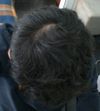
The user is concerned about hair loss despite using oral finasteride, oral minoxidil, and topical minoxidil. They are seeking advice on additional blood tests to identify potential causes.
OP experienced significant hair regrowth after recovering from iron deficiency anemia and starting minoxidil. They suspect anemia contributed more to their hair loss than androgenetic alopecia (AGA).
A 15-year-old is experiencing hair loss and is considering treatment options. They are aware they cannot use DHT blockers like finasteride due to their age and are exploring other causes like Telogen Effluvium.
A hair transplant without using finasteride or similar medications may lead to unnatural results and further hair loss. Financially capable individuals are advised to stabilize hair loss with medication before considering a transplant.
A user shared their pre-finasteride lab results, including DHT, estradiol, testosterone, SHBG, prolactin, FSH, and LH levels. Another user responded, cautioning against making unsupported claims about side effects and recovery.
PP405 is being discussed as a potential treatment for hair loss, with uncertainty about its effectiveness compared to existing treatments like finasteride, dutasteride, and minoxidil. There is cautious optimism, but its impact on hair transplants remains unclear.
The conversation discusses microneedling for hair loss, with the original poster experiencing pinpoint bleeding after using needles of 1.25mm and 0.5mm, possibly due to adding GHK-Cu to their treatment regimen. They are inquiring if others bleed at similar depths.
The individual is experiencing hair loss and has a vitamin D deficiency, with levels at 7.49ng/ml or 26nmol/l. They are unsure if the deficiency is causing the hair loss and are seeking advice on vitamin D supplementation.
The user used 0.5 mL of 0.5 mg of Pyrilutamide for 60 days for hair loss, but didn't notice any hair growth. They shared their hormone panel results and are seeking advice on next steps.
The conversation discusses using GHK-Cu copper peptide from Bulk Naturals for hair loss, comparing its price and quality to Peptide Sciences. Concerns about the product's legitimacy are mentioned, but COA documents are available.
A user is participating in a phase 3 trial for Clascoterone, a topical acne medication that may stimulate hair growth, and will share results after 6 months. They will have a section of their hair shaved and marked with a tattoo for the study.
The user experienced hair loss due to a crash diet and later developed scarring hair loss. They are now on finasteride, oral minoxidil, LDN, Zyrtec, and Oztela to reduce scalp inflammation and promote hair regrowth.
A 31-year-old uses Minoxidil, RU58841, Reviv Hair Serum, and Ketoconazole shampoo for hair loss but avoids finasteride. They plan to reintroduce red light therapy (LLLT) and Eucapil despite previous shedding concerns.
Adipose-derived stem cells with ATP improved hair regrowth in male and female mice with androgenetic alopecia. The most effective treatments were low dose stem cells with ATP for males and medium dose stem cells with non-liposomal ATP for females.
A 26-year-old male with high testosterone is experiencing diffuse hair thinning despite using a comprehensive treatment regimen including dutasteride, oral minoxidil, RU58841, ketoconazole shampoo, microneedling, and low-level laser therapy. Suggestions include adjusting dutasteride dosage, monitoring iron levels, and consulting a dermatologist for further evaluation.
The conversation is about creating a higher concentration of the newly FDA-approved hair loss treatment, Clascoterone (Winlevi), through compounding pharmacies and possibly organizing group purchases. Some users are unfamiliar with Winlevi and are asking for an explanation of the drug.
A user shared a 12-month update on their hair transplant, which involved 5700 DHI grafts and cost £4500 at Cosmedica. They also dyed their hair and beard, and users praised the impressive results, suggesting finasteride or dutasteride to prevent further hair loss.
The user experienced hair shedding after increasing minoxidil from 5% to 7% with latanoprost, possibly causing telogen effluvium. They are on HRT with Lupron, Estradiol, and Raloxifene, and are concerned about the shedding's duration.
The conversation discusses using GHK-Cu, C60, and saw palmetto oil as treatments for hair loss. Specific treatments mentioned include Minoxidil (Min), Finasteride (Fin), and RU58841 (RU).
A user proposed genetically engineering scalp stem cells to stop androgen receptors from causing hair loss. Others discussed the feasibility, existing research, and potential issues with this approach, including targeting the correct cells and unintended effects.
The conversation is about the results of using hormone replacement therapy (HRT) with estrogen and finasteride for hair loss, and switching from finasteride to bicalutamide as an anti-androgen treatment. The user shared before and after photos to discuss the effectiveness of these treatments.
Feeding bacteria-free mice with Lactobacillus murinus worsened hair loss, but a regular diet with biotin stopped it. The conversation suggests gut bacteria and diet may influence hair loss, with some skepticism and discussion about other factors like DHT and genetics.
The user is experiencing hair loss, initially diagnosed as Telogen Effluvium due to stress, but is concerned it might be Androgenetic Alopecia (AGA). A suggestion was made to consider using Minoxidil or Finasteride if the condition worsens.
A study that outlines the full model for androgenic alopecia (AGA) which links DHT to cellular senescence in dermal papilla cells, and suggests black chokeberry as a source of cyanidin 3-O-arabinoside polyphenol with potential anti-oxidant properties that could reverse this process. The post encourages reaching out to experts in anti-aging and longevity to research treatments involving the polyphenol.
Aloe vera gel can help reduce scalp inflammation and "DHT itch" associated with hair loss, particularly in those with androgenic alopecia and seborrheic dermatitis. It's suggested to use aloe vera alongside treatments like finasteride and ketoconazole shampoo to manage symptoms and promote scalp health.
Users discussed experiences with Everychem's solution similar to PP405 for hair loss, noting some positive results like increased hair thickness and new growth. There was skepticism about the product's legitimacy and safety, with some users reporting early signs of effectiveness and others expressing concerns about the lack of evidence and safety profiles.
The conversation discusses concerns about microneedling potentially causing damage before a hair transplant, with users sharing their experiences and techniques. Specific treatments mentioned include using a dermapen at various depths and speeds, with some users advising against self-treatment.
PP405 is a potential hair loss treatment showing promise, especially for men with severe balding. Some are hopeful it will be a game-changer for those who cannot tolerate finasteride or minoxidil, despite skepticism about the outcomes.