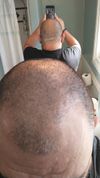
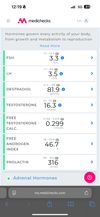
Switching from 1mg to 5mg finasteride cut into four pieces led to increased hair shedding, from 3 hairs to 10-30 hairs a day. The user also takes multivitamins, biotin, and fish oil.
The user is using 1mg oral finasteride, 1.25mg oral minoxidil nightly, and ketoconazole shampoo weekly for hair loss, reporting no side effects. They self-prescribed after inconsistent use of topical minoxidil, using Lonitab from Intas pharmaceutical.
A 25-year-old experiencing genetic hair loss used minoxidil, biotin, and cystine but stopped due to routine fatigue, leading to worsened hair loss and unwanted body hair growth. They are hesitant about finasteride due to potential side effects and are seeking advice on effective treatments.
FCE 28260 (PNU 156765), an under-explored 5α-reductase inhibitor, showcases promising results in research by Giudici et al., outperforming well-known treatments like Finasteride in reducing the conversion of testosterone to DHT. Its superior efficacy, demonstrated through lower IC50 values in both natural and human recombinant enzyme studies, suggests it could offer more effective management of DHT-related conditions. Additionally, its lower molecular weight hints at better potential for topical application, potentially offering advantages in treating conditions such as androgenic alopecia. Despite its potential, it has not advanced in development, possibly due to financial limitations, leaving its therapeutic prospects and side effect profile largely unexplored.
GHK-Cu is being discussed as a potential treatment for male pattern baldness. Users are sharing experiences and asking about its effectiveness and side effects.
The user reported noticeable hair improvement over four months using 1 mg of finasteride and weekly microneedling. Progress photos from October 2024 to January 2025 show positive changes.
A 20-year-old started using finasteride, topical minoxidil, and high-dose Vitamin D3 a month ago and is already seeing new hair growth. Others suggest adding dermastamping for better results.
Jamesdunn8811 has been using a combination of finasteride and minoxidil to treat his hair loss over the past four months, with successful results. He has experienced no side effects and noticed increased thickness and baby hairs growing in both temples.
A 23-year-old male experienced nipple sensitivity after starting finasteride for hair loss and stopped using it due to concerns about gynecomastia. He is worried about the risk of developing gynecomastia if he resumes finasteride, especially with plans to increase muscle mass.
The user is concerned about high prolactin levels and low testosterone levels after stopping finasteride for three weeks. They are considering resuming finasteride but are worried it might further increase prolactin levels.
The user has been using 1mg oral finasteride daily for four years, experiencing significant hair regrowth and increased testosterone levels without negative side effects. They advise patience and monitoring for side effects, noting that their hair continues to improve with this treatment.
A 29-year-old male has been taking 1mg finasteride daily for 8 months and using 5% minoxidil with tretinoin but is experiencing increased hair shedding and higher DHT levels. He is concerned about the effectiveness of finasteride and has noticed low libido and occasional ED.
A 28-year-old male considering hair restoration is deciding between starting with 0.5mg dutasteride or 1mg finasteride, with finasteride being the typical starting point due to fewer and shorter-lasting side effects. The options also include minoxidil and biotin.
The conversation is about starting a hair loss treatment with oral and topical Minoxidil, 1mg Finasteride, and a Biotin supplement. The user is advised to start with the prescribed 1mg Finasteride and lower the dose if side effects occur.
The user plans to stop using finasteride due to side effects but will continue using minoxidil. They are concerned about hair regrowth without finasteride.
GHK-Cu is discussed for its potential anti-aging and healing properties, with some users considering its effects on hair growth. One user mentions using Folligen Spray and topical finasteride, noting improved healing but uncertain hair growth results.
A user shared their 20-week progress using oral finasteride (1mg) and oral minoxidil (3.3mg) for hair loss, noting significant improvement in hair thickness and coverage. Another user complimented the progress.
A user's experience with using 5AR inhibitors (Finasteride and Dutasteride) in combination with Minoxidil foam and microneedling, which resulted in substantial improvements to their crown density and hairline, despite high systemic levels of testosterone and dihydrotestosterone.
The conversation discusses the effectiveness of different doses of finasteride for hair loss, questioning the need for 1mg daily when 0.5mg every other day has a similar impact on scalp DHT. A humorous reply suggests exaggerated side effects.
The user experienced scalp irritation from a Finasteride and Minoxidil spray and serum. They are considering switching to foam, oral treatments, or another provider.
OP is using 5% minoxidil and a foligain supplement for hair loss, with blood test results showing high cortisol levels. OP is considering starting finasteride, while another user shares their experience with finasteride and hair loss challenges due to malabsorption issues.
The user experienced significant hair regrowth after 7 months using 1mg finasteride and 2.5mg oral minoxidil, with initial lightheadedness as the only side effect. The user feels more confident and believes the minoxidil contributed most to the regrowth.
The user is using a regimen of 0.5mg dutasteride, 5% minoxidil foam at night, hair gummies, and rosemary water in the morning to address hair loss. They are experiencing some regrowth and are advised to be patient, with suggestions to possibly increase minoxidil application to twice a day for better results.
The user started using minoxidil 5% and alternating 1mg finasteride with 0.5mg dutasteride, noticing some hair improvement after two months. They experienced side effects like watery semen and fluctuating libido, but also positive effects like reduced anxiety and clearer skin.
A 19-year-old is experiencing hereditary hair thinning and is considering switching from topical to oral minoxidil due to convenience and starting finasteride at a low dose to minimize side effects. A suggestion was made to start with 0.25 mg of finasteride daily and gradually increase to 0.5 mg, while oral minoxidil requires a prescription.
A user is considering using both oral and topical finasteride for hair loss, despite having elevated liver enzymes. They currently use a topical spray with finasteride and minoxidil and are seeking advice on whether using both forms is advisable.
A 26-year-old man who had a hair transplant and used minoxidil with good results is now experiencing shedding and considering finasteride. He's concerned about high progesterone and mild erectile dysfunction before starting the treatment.
The user is experiencing progress in hair regrowth using 1 mg finasteride and 5 mg minoxidil, with no side effects reported. There is a discussion about whether to switch from finasteride to dutasteride, but many advise against it since finasteride is showing good results.
Topical finasteride in the UK is sought after due to concerns about the strength and cost of Hims products. There is also interest in whether crushing finasteride pills into minoxidil is effective.