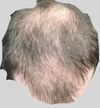
The user experienced significant hair regrowth after 3.5 months using a topical 2-in-1 from Hims, ketoconazole, and weekly microneedling. The user is 37 years old.
The user improved hair health using natural products and plans to start using minoxidil, finasteride, and derma stamping for further hairline improvement. They wash hair weekly with Sweet Ginger shampoo and use Bamboo Charcoal for deep cleansing, while conditioning twice a week.
Creating a carrier solution for topical hair loss treatments using ethanol, propylene glycol or glycerin, and instructions on creating topical finasteride. Different recipes are provided with varying ratios of alcohol to humectant.
The user is using a topical dutasteride/minoxidil/tretinoin gel for hair thinning and has had a positive experience with no side effects. They also mention considering another product, Formula82D, after having decent results with Formula82F.
The conversation is about finding a source for Alfatradiol 0.1% as most available products are 0.025%. A suggestion was made to use four times the dosage of the 0.025% product.
RU58841, a potential hair loss treatment, was not commercialized due to marketability issues and lack of long-term safety data. Concerns about its formulation and delivery methods further complicate its use.
The conversation is about someone asking for experiences with hair regrowth using a topical solution containing 0.1% dutasteride, minoxidil, tretinoin, melatonin, and biotin. They want to know if others have had success with a similar treatment without combining it with finasteride or other antiandrogens.
The user discusses using essential oils like peppermint, rosemary, tea tree, and lavender to improve hair thickness and seborrheic dermatitis. They plan to add RU58841 to their routine and seek advice on using it alongside the essential oils without interference.
The conversation discusses alternatives to minoxidil and finasteride for hair regrowth, with mentions of essential oils, PRP therapy, and RU58841. The focus is on finding treatments with minimal side effects, especially concerning fertility.
The user has been using HIMS topical finasteride and minoxidil spray for hair loss, with positive results but still seeks improvement at the crown and corners. They are considering reintroducing derma rolling and possibly trying oral treatments like dutasteride due to concerns about shedding and irritation.
Topical diazoxide may be a promising hair regrowth treatment, especially for those who don't respond to minoxidil, as it activates potassium channels without needing sulfation. It appears safe for topical use, avoiding systemic effects seen in oral use.
Concerns about the potential systemic effects and safety of PP405 for hair loss, with discussions on its comparison to existing treatments like finasteride and minoxidil. Users express skepticism about untested research chemicals and emphasize the importance of clinical trials to ensure safety and efficacy.
The conversation discusses the use of topical minoxidil and finasteride for hair loss, with some users combining them with oral treatments. Users share their experiences and opinions on effectiveness, cost, and convenience, with mixed views on whether topical or oral applications are superior.
The user left their 2.5 mg pills at home and is considering using 5% topical minoxidil as a substitute. They also inquire about where to obtain over-the-counter minoxidil pills.
The user is considering switching between topical minoxidil (10%) and oral minoxidil (2.5mg) to manage hair shedding around the temples, while also using a dermaroller and biotin. They are concerned about the potential side effects of oral minoxidil, such as hypertrichosis, and the impact on hair shedding if they stop using it.
A satirical discussion on intentionally inducing hair loss using harmful habits and substances like cigarettes, junk food, anabolic steroids, and stress. The conversation humorously suggests extreme measures like chemotherapy and hydrofluoric acid, while also mentioning the ineffectiveness of sulfates and pumpkin seed oil in hair loss prevention.
A pharmacy error resulted in a finasteride solution being 100 times stronger than prescribed, not 10,000 times as initially feared. OP is advised to contact the pharmacy to clarify the preparation before traveling.
The user experienced significant hair regrowth in 5 weeks using Minoxidil, Finasteride, Dutasteride, biotin, collagen, derma stamping, and a mixture of oils, leading others to label them a "hyper responder." Some users advised caution with microneedling frequency to avoid potential scarring.
A group buy for hair loss treatments including Harmine 19a, TM5614, Abiraterone Acetate, and others. A compound, BMS-202, that can potentially reverse gray hair is also mentioned.
The user discusses their hair regrowth success with minoxidil, red light therapy, massage, and derma stamping but expresses concerns about using finasteride due to potential side effects. They are interested in using clascoterone as a topical treatment for hair loss and are exploring the possibility of creating a topical formula from raw clascoterone powder.
The potential of lowering prolactin levels to regrow hair, with a reference to Bayer's drug HMI 115 which has been indicated as having this effect. Treatments mentioned include Minoxidil and Finasteride, as well as RU58841.
The user has been using liposomal topical finasteride since late 2022, progressively increasing the dose, but DHT serum levels remain largely unchanged. Despite using finasteride, minoxidil, microneedling, and ketoconazole, hair condition has neither improved nor worsened.
A user is seeking advice on making a topical bicalutamide solution as an alternative to RU58841 for hair loss, while already using dutasteride and minoxidil. They are considering crushing bicalutamide pills and adding them to their minoxidil.
A 25-year-old is experiencing mild hair loss and is using a regimen including scalp brushing, dermarolling, topical minoxidil, caffeine, melatonin, and a DHT-blocking shampoo. Another person shares their struggle with hair loss due to drug use and plans to start finasteride while trying to quit drugs.
A user is starting a hair loss treatment with a 3-in-1 spray containing 6% minoxidil, 0.3% finasteride, and 0.025% tretinoin. Users are skeptical about its effectiveness due to advanced hair loss, but some suggest adding microneedling and using affordable generics.
User seeks non-finasteride hair loss treatments, suggests Eucapil, minoxidil, microneedling, keto shampoo, oral castor oil, and alfatradiol. Reply recommends vitamin D, zinc, pumpkin seed oil, saw palmetto, and high black tea intake, but emphasizes minoxidil and microneedling as most effective.
Ell-Cranell and Eucapil are discussed as hair loss treatments, with Ell-Cranell being a weak estrogen and DHT inhibitor that may reduce hair loss without systemic side effects. Alfatradiol is the active ingredient in these products.
The post discusses a user's successful hair recovery using minoxidil, finasteride, and hormone replacement therapy (HRT) with cyproterone acetate and estradiol. The user experienced significant improvement in hair density and hairline recovery.
The conversation discusses various theories and suggestions for hair loss, with a focus on DHT as the primary cause. Treatments mentioned include Minoxidil, finasteride, and RU58841.
A dermatologist advised against using minoxidil and finasteride for hair loss, suggesting acceptance instead, but the individual is considering seeking finasteride from a family doctor. The conversation includes suggestions to try online services or pharmacies for obtaining treatments like finasteride, minoxidil, and ketoconazole shampoo.