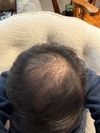
Finasteride is humorously blamed for causing car problems and bizarre side effects. Users joke about switching to treatments like dutasteride and minoxidil.
The conversation discusses preventing hair loss during detransitioning, with suggestions to use finasteride or dutasteride as DHT blockers. The user is also considering rosemary oil and monitoring testosterone levels.
Hair shedding can still occur after long-term use of finasteride, and it is often part of the natural hair cycle. Some users consider adding minoxidil or switching to dutasteride to manage shedding.
Hair shedding decreased significantly after using finasteride and minoxidil, with users reporting fewer hairs falling out when running fingers through their hair. Some users experienced initial shedding with treatments like dutasteride, but shedding eventually stopped or reduced significantly.
The user shared their two-month progress using 5% topical minoxidil and microneedling without finasteride, noting significant hair growth. Other users suggested adding ketoconazole shampoo and discussed microneedling depths, while some expressed skepticism about long-term results without a DHT blocker.
Switching from topical to oral minoxidil caused acne breakouts, leading the user to revert to topical use. Finasteride was also used, but acne was suspected to be linked to oral minoxidil.
The user reported noticeable hair thickening after 10 days of using oral minoxidil and finasteride, but others suggested it might be an April Fool's joke or a placebo effect. The user also mentioned a high protein intake and regular gym workouts, while others discussed concerns about finasteride's side effects.
PP405 is a promising experimental topical treatment for alopecia that reactivates dormant hair follicles by targeting cellular energy, with large-scale trials planned for 2026. While it shows potential, it cannot regenerate permanently destroyed follicles, making hair transplants the only guaranteed solution for advanced baldness currently.
Finasteride has been effective for maintaining hair density, but due to a slight dip in temple hair, the user switched to dutasteride as an additional measure. Users discuss varying experiences with side effects from finasteride, dutasteride, and minoxidil, highlighting that reactions can differ significantly among individuals.
A user shared an extensive hair loss treatment regimen including dutasteride, minoxidil, tadalafil, RU58841, microneedling, and various topical and oral supplements. Responses varied, with some suggesting the regimen is excessive and others offering additional advice or expressing skepticism about its practicality and effectiveness.
The user has been using topical finasteride (0.1%) and minoxidil (5%) for over 8 months, experiencing significant hair shedding and loss of density, and is considering switching to topical dutasteride. They are hesitant to switch due to potential shedding but plan to wait until the 12-month mark before making a decision.
The user is experiencing breast tissue growth from taking dutasteride and minoxidil, and is considering reducing the dosage or stopping the medication. Suggestions include seeing an endocrinologist, using Raloxifene or Arimidex, and considering topical treatments or surgery if necessary.
Finasteride may cause insomnia, and ashwagandha is suggested to help with sleep issues without significantly affecting testosterone or DHT levels. Users discuss personal experiences with sleep disturbances and suggest consulting a doctor if side effects persist.
A 25-year-old male experienced significant hair loss due to telogen effluvium and androgenetic alopecia. He began using finasteride, minoxidil, and vitamins, seeing some regrowth but remains worried about hair density.
Minoxidil and spironolactone are recommended for female hair loss, and they can be used together. A dermatologist visit is advised to confirm the type of hair loss and rule out other issues.
Topical finasteride with minoxidil effectively stabilized and thickened hair but caused side effects like brain fog, reduced libido, and emotional flattening, leading to discontinuation. The user switched to a new regimen including minoxidil, KX-826, and other treatments, noting improvements in libido and vivid dreams after stopping finasteride.
A 38-year-old male experienced rapid hair loss progression and tried topical Minoxidil for 15 months without success, then switched to a combination spray with Minoxidil, Finasteride, and Tretinoin for two months, still seeing no improvement. Users suggest patience, as Finasteride can take six months to a year to show results, and recommend considering oral treatments if health permits, while also advising against washing off treatments too soon.
The user plans to switch from topical to oral finasteride (1mg/day) and minoxidil (3mg/day) due to unsatisfactory results with topical treatments. They seek advice on the effectiveness, potential side effects, and the timing for considering a hair transplant, with recommendations to monitor health metrics like blood pressure and conduct thorough bloodwork before starting.
A user is treating hair loss with 0.5mg Dutasteride three times a week, 5mg oral Minoxidil daily, and topical finasteride and minoxidil, seeing some improvement but insufficient density. They are considering increasing Dutasteride dosage and addressing high estradiol levels, while also trying to quit vaping.
The user is experiencing hair loss, possibly due to androgenetic alopecia and seborrheic dermatitis, and has tried ketoconazole shampoo without success. They are hesitant to use finasteride due to potential side effects and are seeking advice on managing their condition.
A 33-year-old male with a receding hairline is advised to start with finasteride to block DHT and consider minoxidil for promoting hair growth. Other treatments like copper peptides and serums are deemed less effective, and ketoconazole shampoo is suggested for scalp health.
A user shared their hair transplant update, having received 4,300 grafts and choosing not to use medications like finasteride or minoxidil due to potential side effects and personal reasons. Many commenters expressed concern that without these medications, the user might experience further hair loss, suggesting that preventative treatments are important for maintaining transplant results.
Breezula is seen as potentially overhyped, with concerns about its cost, effectiveness, and long-term benefits compared to existing treatments like finasteride and minoxidil. Some users believe it could complement existing treatments, while others are skeptical about its impact and prefer waiting for newer options like GT20029 and PP405.
The user experienced initial success with topical finasteride 0.025% and melatonin but noticed rapid hair thinning after three months. They are considering switching to a higher dose of topical finasteride or oral finasteride, as advised by others, while being cautious about potential side effects.
The conversation humorously discusses using "pure willpower" as a method to combat hair loss, alongside treatments like dutasteride, finasteride, and RU58841. The original poster claims that this unconventional approach, involving shouting affirmations and avoiding distractions, has led to noticeable hair regrowth.
A user experienced hair retention but sexual side effects after using dutasteride for a year. Others shared similar experiences with finasteride and dutasteride, suggesting consulting a doctor for persistent issues.
A 19-year-old shared progress on hair regrowth after using minoxidil for a year and starting finasteride. Users discussed the effectiveness and side effects of these treatments, with some expressing concerns about potential side effects and others sharing positive experiences.
A 36-year-old man restarted hair loss treatment after a break, using topical Minoxidil 5% twice daily, topical Finasteride 0.01% daily, and Ketoconazole 2% three times a week, along with supplements like Vitamin B12, D3, C, Biotin, Omega-3, zinc, and copper. He avoids oral Finasteride due to side effects and plans to evaluate progress after a year.
A hair transplant without using finasteride or similar medications may lead to unnatural results and further hair loss. Financially capable individuals are advised to stabilize hair loss with medication before considering a transplant.
The user experienced positive hair regrowth using 5% topical minoxidil daily and 1mg finasteride daily but had to stop finasteride due to side effects like depression, anxiety, and gynecomastia. They are considering alternatives like topical finasteride or dutasteride and are currently using only topical minoxidil.