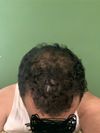
Finasteride is recommended for hair loss treatment, with potential sideeffects like erectile issues in 1 in 33 users, which typically resolve after stopping the drug. Users report mixed experiences, with some experiencing initial sideeffects like brain fog and others seeing no issues, and the drug is generally considered effective for maintaining or regrowing hair.
Clascoterone 5% solution (Breezula) is a promising alternative for androgenetic alopecia, showing continued hair growth with consistent use and no significant sideeffects. It may be suitable for those who cannot tolerate finasteride or dutasteride, especially when trying to conceive.
A male experiencing crown and frontal baldness, along with overall hair thinning, is considering starting topical minoxidil and oral finasteride. He seeks advice on dosages, potential sideeffects, application tips, and whether to consult a dermatologist before beginning treatment.
The user has been taking finasteride for 1.5 years without seeing improvement in hair regrowth. Suggestions include adding minoxidil or switching to dutasteride, with concerns about sideeffects.
Taking 5mg oral minoxidil at night instead of splitting 2.5mg doses, with the rationale that a single larger dose may provide a stronger activation for hair follicles and reduce peak-related sideeffects. Some users report sleep issues with nighttime dosing, while others find it beneficial; opinions on effectiveness and sideeffects vary.
A 30-year-old man saw improved hair density and texture after three months using Minoxidil, Finasteride, and ketoconazole shampoo, despite initial sideeffects. He experienced increased body hair and libido and is satisfied with the results despite the high cost in Turkey.
PP405 is seen as a potential breakthrough for converting vellus hairs to terminal hairs, with users expressing both hope and skepticism. It is compared to treatments like minoxidil and finasteride, with discussions on sideeffects and marketing concerns.
Finasteride may cause insomnia, and ashwagandha is suggested to help with sleep issues without significantly affecting testosterone or DHT levels. Users discuss personal experiences with sleep disturbances and suggest consulting a doctor if sideeffects persist.
The user is experiencing hair loss, possibly due to androgenetic alopecia and seborrheic dermatitis, and has tried ketoconazole shampoo without success. They are hesitant to use finasteride due to potential sideeffects and are seeking advice on managing their condition.
A user shared their hair transplant update, having received 4,300 grafts and choosing not to use medications like finasteride or minoxidil due to potential sideeffects and personal reasons. Many commenters expressed concern that without these medications, the user might experience further hair loss, suggesting that preventative treatments are important for maintaining transplant results.
A 19-year-old shared progress on hair regrowth after using minoxidil for a year and starting finasteride. Users discussed the effectiveness and sideeffects of these treatments, with some expressing concerns about potential sideeffects and others sharing positive experiences.
A user is concerned about low testosterone while using finasteride 0.625mg MWF and considers ashwagandha for stress. Others suggest exercise, magnesium, and not worrying about testosterone levels if no significant sideeffects are felt.
A 22-year-old experiencing worsening hair loss after initially stabilizing on Dutasteride, despite adjusting the dosage. They cannot use Finasteride or Minoxidil due to sideeffects and are seeking advice and planning to consult a specialist.
The user experienced significant hair improvement after four months using oral finasteride, topical minoxidil, and a daily caffeine shampoo, with no sideeffects. The discussion includes varying opinions on the effectiveness and sideeffects of finasteride.
The user experienced significant hair regrowth after 5 months using finasteride, dutasteride, and oral minoxidil, despite initial sideeffects like erectile dysfunction, which resolved after switching from finasteride to dutasteride. The user reports full recovery of hair density and improved skin condition, though the right temple remains slightly recessed.
The user plans to switch from minoxidil to finasteride or dutasteride for hair loss, while managing hormones with aromatase inhibitors and SHBG blockers. They seek advice on the best options for these treatments, considering past sideeffects and future therapies.
A 22-year-old male experienced significant hair regrowth and stopped shedding after using dutasteride and spironolactone for 3-4 months. Spironolactone is discussed as an antiandrogen, typically used for women or transitioning individuals, and not commonly recommended for men due to potential sideeffects.
A woman experienced significant hair regrowth after six months of using dutasteride and minoxidil, despite initial hair loss due to androgenetic alopecia. She reported minimal sideeffects and highlighted the effectiveness of these treatments for women, despite doctors' hesitancy to prescribe them.
The conversation discusses using cyproterone temporarily to reverse hair loss, followed by finasteride to maintain regrowth. Concerns about cyproterone's sideeffects, such as lowering testosterone and potential health risks, are raised, with alternatives like spironolactone suggested for androgen-related issues.
A 27-year-old male shared his 13-month progress using finasteride and topical minoxidil for hair regrowth, reporting significant improvement without noticeable sideeffects. He also mentioned losing 110 lbs, which may have contributed to his overall health and appearance.
Minoxidil and LLLT are compared for treating hair loss, with LLLT showing higher regrowth rates and fewer sideeffects. LLLT is less time-consuming and more suitable for those with health issues, while Minoxidil requires daily application.
A user successfully halted hair loss using finasteride for 17 years and recently switched to dutasteride for stronger DHT suppression. They experienced no major sideeffects, maintained a full head of hair, and fathered three children without issues.
Finasteride and dutasteride may not significantly impact meibomian gland function since these glands do not rely on DHT. Some users report dry eyes and other sideeffects from finasteride, but these may be influenced by other factors or medications.
Finasteride can cause dry eyes and vision issues due to its impact on the meibomian glands. Users have mixed experiences, with some experiencing eye discomfort and others having no sideeffects.
Minoxidil foam and oral finasteride resulted in significant hair regrowth, especially on the hairline, with no sideeffects from finasteride. The user applied Rogaine 5% for minoxidil.
A 27-year-old male has been using oral minoxidil and topical finasteride for 3 months, noticing fuller, thicker hair with no sideeffects. Users discuss the effectiveness and sideeffects of oral versus topical treatments, with some recommending higher doses or additional treatments like topical minoxidil.
A 55-year-old user shared progress pictures after 5 months of using dutasteride 6 times a week and minoxidil 2.5 mg daily, reporting hair regrowth and some sideeffects like mild erectile dysfunction and foot swelling. The user attributes recent hair loss to creatine and notes improvement after adjusting the treatment regimen.
Dutasteride at 2.5 mg/day reduces scalp DHT by 80%, while 0.5 mg/day reduces it by 50%, with minimal difference in sideeffects. Users often combine it with finasteride, RU58841, and minoxidil for better hair loss management, though sideeffects like dry skin and pimples are noted.