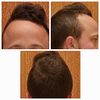
Dermarolling has potential for hair regrowth and is being used alongside minoxidil and a rosemary oil/castor oil mix. Users discuss its effectiveness and the need for more research.
The conversation discusses treating male pattern baldness in a transgender woman using cyproterone acetate, finasteride, and biotin. The original poster shared their experience for others who might be in a similar situation.
The user is using RU58841, finasteride, dutasteride, and minoxidil to slow down aggressive hair loss but is still experiencing hair shedding due to high testosterone levels. They plan to use ostarine to lower testosterone and prevent hair loss while maintaining muscle mass, and will continue using the other treatments.
A 25-year-old male experienced increased testosterone and estradiol levels after starting finasteride for hair loss, leading his doctor to suggest a testicular ultrasound as a precaution. The user questions the necessity of the ultrasound, considering it potentially excessive, while others suggest it could be a useful precaution to rule out any issues.
A user is using RU58841 and pyrilutamide for hair loss and is seeing their hairline return, but the process is slow. They also mention using finasteride and dutasteride, with finasteride causing reduced libido but no noticeable side effects from RU58841 or pyrilutamide.
A 31-year-old with diffuse thinning experienced significant hair regrowth after nearly 5 months on Finasteride 0.75mg MWF. Despite initial side effects like testicle pain and reduced sex drive, these issues resolved, and positive effects included reduced nighttime urination and scalp itching.
PP405 is considered a potential new treatment for hair loss, compared to finasteride and minoxidil. There is skepticism about its effectiveness in humans, with anticipation for more information from an upcoming conference.
A 31-year-old individual started taking finasteride 24 days ago to address hair thinning and loss, which has worsened their mood and stress. They have not yet added minoxidil and are experiencing significant shedding, contributing to sleep issues and insecurity about their hairline.
A 25-year-old male is experiencing positive temple regrowth after using 1 mg oral finasteride daily and a custom topical solution from Musely containing minoxidil, dutasteride, tretinoin, ketoconazole, and hydrocortisone. He is considering adding dermarolling to enhance results, while others share their experiences and suggestions for hair regrowth treatments.
A 32-year-old male is experiencing hair loss despite using 0.5 mg Dutasteride and 2.5 mg Minoxidil daily, along with previous hair transplants and Finasteride use. He is considering increasing Dutasteride dosage and exploring other treatments like RU58841, but remains skeptical about their effectiveness and concerned about costs.
A 38-year-old female is experiencing hair loss despite having almost undetectable DHT levels after using dutasteride. Suggestions include checking for PCOS, thyroid issues, adjusting diet, considering the impact of birth control, and trying treatments like tretinoin, redensyl, retinol, and minoxidil with derma stamping.
A man lost his transplanted hair despite using minoxidil because he wasn't on a DHT blocker like finasteride, which is essential to prevent further hair loss. The conversation emphasizes that hair transplants are not a cure and require maintenance with medications to preserve results.
The conversation is about someone experiencing slow but steady hair regrowth using topical Minoxidil and 1mg Finasteride daily since mid-December. Another person commented positively on the progress.
Fluridil may decrease the number of androgen receptors in hair follicles by up to 95%. This suggests a different action mechanism from other non-steroidal antiandrogens like RU58841, indicating they might be used together.
Dutasteride is likely the most effective treatment for male pattern baldness, followed by finasteride and minoxidil in various forms and dosages. Users discuss personal experiences, dosages, and potential side effects, with some considering combining treatments for better results.
The conversation discusses switching from finasteride to dutasteride for hair loss treatment, with mixed experiences regarding shedding and effectiveness. Some users also mention using minoxidil and RU58841 alongside these treatments.
Hair loss recovery using estrogen and anti-androgen treatment for 18 months showed significant improvement. However, results vary and alternative treatments like RU58841 and Dutasteride may work without systemic feminization.
19-year-old experiencing hair loss seeks advice on treatments. Suggestions include Finasteride, Minoxidil, microneedling, hair systems, and consulting a dermatologist.
The conversation discusses alternative and unorthodox hair loss treatments, including RU58841, nandrolone, and dianabol, as well as theoretical approaches involving high doses of estrogen and selective estrogen receptor modulators. These methods are considered extreme and potentially harmful but are explored for those unable to tolerate traditional 5-alpha reductase inhibitors.
The user "Dismal_Library_2264" shared their 11-month progress on a hair loss treatment regimen. They used dutasteride, topical minoxidil, dermarolling, a hair serum, and specific shampoos. They experienced some side effects but were overall satisfied with the results.
A user is considering Spironolactone for hair loss but is advised against it due to its effects on testosterone. Instead, they are recommended to try finasteride at 18 and consider dutasteride if needed.
This conversation discusses the advancements in treatments for hair loss, including finasteride, dutasteride, minoxidil and new promising treatments such as pyrilutamide and verteporfin. Other treatments discussed were taking minoxidil orally, tretinoin to turn non-responders into responders and microneedling to further boost growth.
A user's extreme regimen for hair loss, which includes taking oral and topical medications such as minoxidil, dutasteride, cyproterone acetate and bicalutamide, but still experiencing miniaturization. Suggestions were made to try other treatments such as RU58841 and Pyrilutamide, while also considering mental health treatment and advice on lookmaxxing.
Experimenting with trestolone as a treatment for hair loss in an attempt to avoid DHT-related treatments such as finasteride and dutasteride, and discussing the potential effects of its receptor selectivity on the androgen receptors in the scalp.
A 34-year-old woman is experiencing diffuse hair loss and irregular periods, possibly due to long-term spironolactone use. She is considering minoxidil and finasteride for treatment and seeking medical advice for androgenic alopecia and hormonal imbalances.
The "DHT itch" is real and likely due to inflammation at the hair follicle, exacerbated by increased testosterone or androgens. Treatments mentioned include dutasteride, minoxidil, finasteride, and various topical solutions.
A 14 year old who is experiencing hair loss and has not received any help from the doctor, with advice being given to try different doctors, get tested for underlying conditions and intolerances, buzz it short as an option and treatments that could slow down or reverse the hair loss such as minoxidil, finasteride, RU58841 and addressing the cause of the hair loss.
Stopping minoxidil causes significant hair loss, as continued use is necessary for maintaining gains. Combining minoxidil with finasteride may help maintain hair, but both treatments are typically lifelong commitments.
Hair regrowth using estradiol, spironolactone, minoxidil, and finasteride, showing significant improvement over four years. HRT is not advised for cis men solely for hair loss due to feminizing effects.
A user experienced hair retention but sexual side effects after using dutasteride for a year. Others shared similar experiences with finasteride and dutasteride, suggesting consulting a doctor for persistent issues.