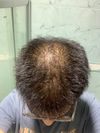
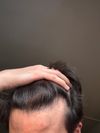
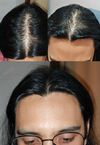
Omega 3 may help with hair thickness and regrowth, but it won't solve hair loss alone. Trying omega 3 supplements or adding fish to the diet could be beneficial.
The conversation discusses hair loss treatments, focusing on finasteride, minoxidil, and other options like PRP and ketoconazole. It highlights the importance of asking specific questions during a dermatology visit to determine the cause of hair loss and appropriate treatments.
RU58841 has mixed reviews for hair loss, with some users reporting success and others experiencing no benefits or side effects. Alternatives like finasteride and minoxidil are preferred by some due to safety concerns with RU58841.
The conversation discusses new hair loss treatments like stem cell therapy, exosome treatments, and DHI, with mentions of GT20029, Amp303, and Plated PRP Serum as promising options. It also notes the use of dutasteride, topical finasteride, and minoxidil, but the focus is on non-hormonal innovations.
Platelet-rich plasma (PRP) therapy for hair loss is expensive, painful, and often ineffective, with mixed reviews on its benefits. Alternatives like minoxidil, finasteride, and hair transplants are suggested as more reliable options.
A 34-year-old male used Minoxidil 5% and dermarolling for 2 months, seeing significant hair regrowth. He avoided finasteride due to concerns about hormonal effects.
A user shared their 2-month progress using Minoxidil 5% and dermarolling for hair regrowth, showing positive results. Other users suggested adding finasteride to maintain gains, but the original poster prefers not to use it due to hormonal concerns.
A 25-year-old MtF individual has been using oral finasteride, oral minoxidil, and MtF HRT to treat androgenic alopecia, resulting in significant hair regrowth. However, the regrown hairs remain thin and short, and they seek advice on how to make these hairs longer and thicker.
A 23-year-old experienced severe depression and suicidal thoughts from oral finasteride and is considering trying topical finasteride but is worried about similar side effects. They are currently using RU58841 and Minoxidil and are seeking advice on the lowest effective dose of topical finasteride.
User has seen no improvement after 4 years of using minoxidil and finasteride, and recently started dutasteride. Suggestions include adding oral minoxidil, microneedling, and considering a hair transplant.
Minoxidil may age skin by slowing collagen synthesis, but using collagen peptides and a basic skincare routine might counteract this. Foam minoxidil could reduce systemic absorption and avoid alcohol-related side effects.
Scientists discovered a new T cell treatment that could regrow hair. Users are skeptical but hopeful, with some relying on finasteride and minoxidil in the meantime.
User switched from finasteride to dutasteride due to shedding, experienced two sheds, and now uses 5mg oral minoxidil, 0.5mg dutasteride, and 3ml oral castor oil daily. Hair has recovered from the second shed, and the user plans to maintain the current treatment.
A user shared progress pictures after 3 months of using Minoxidil and dermastamping, noting additional biotin use. Replies suggest adding finasteride to maintain results and highlight effective regrowth from microneedling and Minoxidil.
A user is frustrated about early balding despite older male relatives retaining hair into old age. Another user plans to start finasteride soon to address their hair thinning.
The conversation discusses using ketoconazole, an anti-androgen, for hair loss and whether mesotherapy with dermarolling could enhance its absorption into the scalp. The user questions if the typical 2% ketoconazole shampoo dose would be effective when used after dermarolling to target androgen receptors in the scalp.
Finasteride, a hair loss treatment, was observed to reduce scalp oiliness in users. Anti-androgens like Finasteride are known to decrease the activity of oil-producing glands.
A user shared their positive experience with shaving their head, feeling liberated from worrying about hair loss. Some discussed their own hair loss treatments, including finasteride, oral minoxidil, and Rogaine, while others expressed support for the shaved look.
The user is experiencing a second hair shedding phase and increased flaking and itching while using minoxidil 5% nightly and microneedling every two weeks, with needle length increasing over time. Other users suggest the hair loss may continue without the use of finasteride.
The conversation discusses whether dutasteride might cause less depression than finasteride for hair loss treatment, with some users suggesting it could due to different mechanisms of action or molecular size, while others express skepticism or share personal experiences with these medications.
A 20-year-old has seen no improvement in hair loss after 8 months using finasteride, minoxidil, topical solutions, and microneedling. They express frustration and a loss of confidence due to the lack of results.
The user is using Dercos Vichy shampoo with Aminexil, biotin, and a natural spray with peptides but is hesitant to start Minoxidil. A reply suggests starting Minoxidil, finasteride, and microneedling soon.
A female user has experienced severe hair shedding since stopping birth control in late 2022, diagnosed as telogen effluvium with no signs of androgenetic alopecia. Despite healthy living and optimal bloodwork, she continues to shed hair daily but also sees significant regrowth.
The user has DUPA and suspects autoimmune activity as a cause. They have tried various treatments including finasteride, minoxidil, dutasteride, pyrilutamide, estrogel, hydrocortisone, and clobetasol, and are now seeking a long-term immunosuppressant.
A 20-year-old started using minoxidil, rosemary oil, Alpecin caffeine shampoos, scalp massager, derma rollers, and supplements for hair regrowth, seeing significant improvement initially. However, after 6 months, they noticed increased shedding and thinning, causing concern about whether this is normal or indicative of a problem.
The conversation highlights the general public's lack of knowledge about hair loss, with various ineffective remedies suggested, such as not wearing hats or using hair fibers. The only effective treatments mentioned for male pattern baldness are medications like minoxidil and finasteride, and hair transplants.
The conversation is about a user sharing their blood test results and questioning if it's okay to start a hair loss treatment with finasteride. Specific treatments mentioned are Minoxidil, finasteride, and RU58841.
JeremySoCa's DHT level was 29 ng/dl, considered low, and Estradiol was 26.1 pg/dl within the normal range. They are using topical finasteride for hair loss and had a thyroidectomy due to Graves' disease.
The conversation discusses long-term hair loss treatment, with one person seeing hair darkening after 3 years using Minoxidil, Finasteride, and Dutasteride, and others sharing their shorter-term experiences with similar treatments. They emphasize that hair regrowth takes time and to not expect quick results.