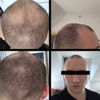
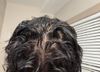
The user is concerned about hair loss and is considering treatments like finasteride and minoxidil but is unsure about their effectiveness and side effects. They have experienced mixed reactions to shaving their head and are struggling with confidence due to balding.
A 20-year-old male has been experiencing hair loss since age 16 and has tried various treatments including topical minoxidil, topical and oral finasteride, and oral dutasteride with minoxidil, but has not seen significant improvement. He is currently using 1.5mg dutasteride and 5mg oral minoxidil daily, along with derma penning, and is seeking advice on regrowing hair to avoid using hair fibers.
Stopping RU58841 may result in losing only the hair gained from it, unlike stopping Minoxidil, which can lead to losing more hair. The discussion compares the dependency effects of RU58841 and Minoxidil on hair.
Hair loss treatments like finasteride, dutasteride, minoxidil, and RU58841. Users discuss "DHT itch" at receding hairlines and suggest using dutasteride or ketoconazole shampoo for relief.
The user is experiencing hair loss with possible causes including chronic telogen effluvium, diffuse alopecia areata, and androgenic alopecia. They have tried treatments like Nizoral shampoo, minoxidil, and finasteride, and are considering a biopsy for further clarity.
Exploring hair loss treatments beyond DHT, including Minoxidil, pyruvate, Gt20029 targeting androgen receptors, and vasodilators. Other options like Kx826, adenosine signaling, growth factor topicals, and microneedling are also discussed.
Consult a doctor before starting treatments like minoxidil and finasteride, as underlying issues like vitamin D deficiency can affect hair loss. While some believe androgenic alopecia is the most common cause, addressing all potential causes can lead to better results.
Hair loss treatments like finasteride, minoxidil, and hair transplants are more accessible and effective now. Concerns about side effects and skepticism about new treatments like hair cloning and GT20029 remain.
The conversation discusses managing hair loss and scalp issues, with users sharing experiences using treatments like dutasteride, finasteride, ketoconazole, sulfur soap, and topical anti-androgens. Suggestions include trying sulfur soap, scalp massages, spironolactone, and dietary changes to reduce sebum production and dandruff.
A 25-year-old woman with androgenic alopecia has been using minoxidil, spironolactone, and dutasteride but sees little improvement in hair thinning. She is considering switching to oral minoxidil and exploring other treatments like PRP and hair systems.
A user has been experiencing hair loss for 4 years, with treatments like minoxidil, finasteride, and various supplements proving ineffective. They were diagnosed with fibrosing alopecia in a pattern distribution, a condition that may require a combination of anti-inflammatory and hair growth treatments.
Excess sebum rich in cholesterol and triglycerides can lead to hair loss through inflammation, with treatments like Ciclopirox shampoo, Benzoyl Peroxide shampoo, and Clindamycin gel recommended for managing conditions like seborrheic dermatitis and folliculitis. Pioglitazone is suggested for Lichen Planopilaris, while Omega-3s and reducing processed foods may improve sebum quality, though genetic factors play a significant role.
Medication caused hair loss, which stopped after discontinuing the drugs, but hair hasn't regrown yet. The user is considering seeing a doctor for further advice and possibly using biotin supplements.
A 32-year-old male noticed accelerated hair loss after turning 30 and has been using minoxidil and finasteride with breaks, but stopped finasteride due to concerns about side effects. He is considering alternatives like topical treatments, ketoconazole shampoo, and possibly a future hair transplant.
GT20029 is a topical treatment that degrades androgen receptors to prevent hair thinning and loss, potentially offering fewer side effects than systemic treatments like finasteride. Concerns include its impact on hair texture and potential systemic effects, with market availability speculated in 3 to 5 years.
Effective hair growth treatments include finasteride, minoxidil, dutasteride, and hair transplants, with additional options like microneedling, low-level laser therapy, and PRP showing some benefits. Newer treatments such as GHK-Cu peptides and ketoconazole shampoo are promising, while others like saw palmetto and biotin are less effective unless deficiencies exist.
A 21-year-old male shared his extensive hair loss treatment protocol, which includes Dutasteride, RU58841, Ketoconazole shampoo, oral Minoxidil, pyrilutamide, MK677, dermastamping, and castor oil, and reported improved hair regrowth and overall well-being. He has experienced no side effects and has also improved his diet and lifestyle.
A 15-year-old is experiencing uneven hair loss, with one temple receding significantly. They are considering using finasteride, minoxidil, or dutasteride to slow hair loss before visiting a dermatologist, and may consider a hair transplant in the future.
Greasy or product-laden hair can make the scalp appear more visible, leading some to mistakenly think they are balding. Proper hair washing and avoiding heavy products can help assess true hair thickness, and treatments like finasteride are used by some for actual hair loss.
A 26-year-old male with a family history of early baldness documents his hair loss journey, using finasteride, dutasteride, and Nizoral, along with lifestyle changes like weightlifting and a vertical diet. Despite some stabilization, he continues to experience thinning and remains determined to fight hair loss.
The post discusses how using finasteride and minoxidil for hair loss resulted in the user's hair changing from straight to wavy. The responses suggest this change indicates healthier, thicker hair and share similar experiences, while also expressing concerns about potential side effects of the treatments.
The conversation is about the mental toll of hair loss and seeking alternatives to finasteride. Suggestions include using minoxidil, considering pumpkin seed oil, and possibly seeking counseling for body dysmorphic disorder.
The user noticed small circular hairless spots after a buzz cut and has been using finasteride, dutasteride, and oral minoxidil for hair loss. They are experiencing continuous shedding and thinning, and it is suggested they consult a dermatologist for a scalp examination and possible biopsy to determine if it's alopecia areata or androgenetic alopecia.
The conversation discusses various theories and suggestions for hair loss, with a focus on DHT as the primary cause. Treatments mentioned include Minoxidil, finasteride, and RU58841.
The user is frustrated with hair loss despite using minoxidil, topical finasteride, and topical dutasteride, and is considering other options like oral treatments, SMP, or hair systems. They feel demoralized and are struggling with self-esteem and social interactions due to their thinning hair.
The individual is experiencing hair thinning primarily at the front/middle of their scalp and is seeking to identify the type of hair loss they have. They already use treatments like oral Minoxidil, topical Finasteride, Tretinoin gel, dermarolling, and various oils and shampoos.
The conversation discusses dissatisfaction with current hair loss treatments that mainly focus on DHT blockers like finasteride and dutasteride. Alternative treatments mentioned include RU58841, pyrilutamide, minoxidil, rosemary oil, and future possibilities like hair cloning.