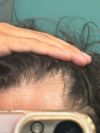
The user discusses switching from multiple vitamins to a single multivitamin pill. They also mention using oral finasteride and topical minoxidil with finasteride for hair loss treatment.
The user is asking if the hair regrowth achieved from microneedling can be maintained by just using finasteride after stopping microneedling. They used microneedling to enhance the effects of finasteride on hair growth.
Mallia Aesthetics has developed MAL-838, a hormone-free product derived from sCD83, which stimulates hair growth without disrupting the skin microbiome. sCD83 promotes hair growth by activating hair follicles and preventing cell death, offering a localized treatment without systemic side effects.
Microneedling combined with latanoprost may convert vellus hairs to transitional or terminal hairs. The user suggests using oral minoxidil to increase vellus hair, then applying a high concentration of latanoprost with microneedling for conversion.
The user is exploring hair loss treatments in China, currently using finasteride and minoxidil, and is concerned about seborrheic dermatitis. Clinics are recommending selenium sulfide, doxycycline, and mesotherapy ampoules like PT88/PT66 or SP88/SP66, but the user is unsure about their effectiveness.
The conversation is about the claim that oral minoxidil can make hair grow on bones. The conclusion is that this claim is not true, as evidenced by the user's head being bald while the body is furry.
The conversation discusses hair regrowth progress using finasteride, minoxidil, dutasteride, ketoconazole, microneedling, and multivitamins. The user shares their journey and receives advice on haircuts and additional treatments like PRP and RU58841.
People are discussing hair care products and shampoos, with some using ketoconazole 2% and others mentioning products like NATIVE brand and Dr. Bronner’s peppermint soap. There's a focus on scalp health and the potential benefits of certain shampoos for aiding minoxidil absorption.
Topical dutasteride may have limited absorption due to its higher molecular mass compared to finasteride, potentially affecting its efficacy in suppressing DHT locally. Microneedling might enhance dutasteride absorption, possibly offering stronger local DHT suppression with fewer systemic effects.
MSM is discussed as a potential treatment for hair regrowth, with mixed opinions on its effectiveness. Some users report faster hair and nail growth, while others question its credibility due to lack of scientific evidence.
A 24-year-old is experiencing hair loss and is considering microneedling due to side effects from finasteride and saw palmetto. They are contemplating combining microneedling with a 3-in-1 treatment to manage hair loss until age 30.
Combining minoxidil with tretinoin may help those who don't respond to minoxidil alone. Some users report better results with this combination, along with oral minoxidil and finasteride.
Minoxidil may inhibit collagen synthesis at high concentrations, with anecdotal reports of skin aging but limited research. Dermatologists and other specialists show little interest in studying minoxidil's side effects.
The conversation discusses switching from topical to oral minoxidil from Healing Pharma, with concerns about the brand's legitimacy. A user reported hair regrowth using a lower dosage of oral minoxidil and finasteride from the same company.
The post discusses the difference in effects of Minoxidil (Min) on scalp and facial hair. The user questions why Min-induced hair growth on the scalp is temporary, while facial hair growth seems permanent, even after stopping Min. They propose theories, including different Min mechanisms on body and facial hair, the role of DHT, and the possibility of not achieving fully terminal hair. The responses include personal experiences and theories about Min's effects on hair growth.
The conversation discusses the potential of creating a homemade sulforaphane topical for hair loss treatment. Participants mention challenges with sulforaphane stability and reference other treatments like Minoxidil.
The user treated seborrheic dermatitis and hair loss with a routine including sulfate-free tea tree oil shampoo, ketoconazole shampoo, minoxidil foam, microneedling, and supplements like Omega-3 and Vitamin-D. They experienced significant hair shedding initially but saw improvement over a year.
The conversation discusses improvements to a platform and mentions hair loss treatments including Minoxidil, finasteride, RU58841, and melatonin. It also highlights the addition of features like Google login, reply by email, keyword extraction, and a term glossary for better understanding of hair-related terminologies.
The conversation discusses hair loss treatments, specifically finasteride, minoxidil, ketoconazole shampoo, and microneedling, with users experiencing initial success followed by increased shedding and regression. Many users suggest patience, as hair cycles can take years, and some attribute changes to seasonal shedding.
Microneedling for hair restoration involves daily use of a 0.3 mm device and weekly use of a 0.5 mm device. Combining microneedling with Minoxidil can enhance hair growth.
The user is experiencing hair regrowth using daily 5% minoxidil and weekly microneedling, and plans to add finasteride soon. They are considering the effectiveness of once-daily minoxidil and adjusting microneedling needle size.
Switching from topical to oral minoxidil caused acne breakouts, leading the user to revert to topical use. Finasteride was also used, but acne was suspected to be linked to oral minoxidil.
Copper peptides may help with hair thickness and health, but their effectiveness in reducing DHT is uncertain. Minoxidil is being used, but finasteride is not available due to legal restrictions; ketoconazole shampoo is recommended for managing Malassezia-related issues.
Finasteride may affect neurosteroids, impacting mood and sexual function, with varied user experiences. Some report side effects like depression and sexual dysfunction, while others find it effective for hair retention or prefer alternatives like Dutasteride or topical treatments.
User discusses using trichosol as a vehicle for hair loss treatments like finasteride and minoxidil. They ask about others' experiences and the stability of the solutions.
Increasing the sult1a1 enzyme on the scalp may improve response to topical minoxidil. The user suggests using a baking soda solution, DMSO, and tretinoin to enhance enzyme activity and minoxidil effectiveness.