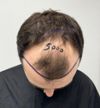
A 23-year-old male is experiencing diffuse hair loss and miniaturization, possibly due to high IGE levels after using tofacitinib. He seeks advice and has not yet consulted a dermatologist.
The conversation is about the anticipated release timeline for a hair loss treatment called GT20029. It may be available on the gray market in 1-2 years and officially in 3-4 years after completing clinical trials.
2-deoxy-D-ribose, a sugar molecule, is found to be 80%-90% as effective as Minoxidil in promoting hair growth, showing potential for alopecia treatment. Concerns include high cost, lack of human studies, and possible side effects like diarrhea and nausea.
A 19-year-old using topical minoxidil and dutasteride reports significant hair growth and shedding. Minoxidil caused new facial hair growth, and the user hopes for thicker hair regrowth.
A user shared their progress after a 4,000-graft hair transplant, using finasteride (1.25 mg daily) and oral minoxidil (2.5 mg daily) for six months. They reported no side effects from the medication and noted significant improvement in hair density.
A user shared impressive progress at 4 months post-hair transplant with 5120 grafts by Dr. Ahmet Yildirim in Istanbul. The user expressed satisfaction with the results, which exceeded expectations.
GHK-Cu is being discussed as a potential treatment for male pattern baldness. Users are sharing experiences and asking about its effectiveness and side effects.
Clascoterone is a topical treatment for androgenetic alopecia, showing modest to moderate hair regrowth, and may be available by 2027-2028. It is considered safer than finasteride, with discussions on its effectiveness compared to RU58841 and pyrilutamide.
A 17-year-old improved his hairline using minoxidil and derma stamping, planning to start finasteride at 18. He received advice on dosing and potential side effects to maintain results.
A 21-year-old male with a thyroid condition noticed his hair thinning uniformly without a receding hairline. He is considering using a 5ARI to prevent further baldness if he starts TRT.
The conversation is about accessing and purchasing RU58841 or Pyrilutamide for hair loss treatment, with mentions of alternatives like Breezula. Users discuss price differences in various countries and suggest websites like rudirect.com for purchasing.
The user has mostly recovered hair density using finasteride, alternating oral and topical minoxidil, and occasional dermarolling, but the crown area is still struggling. Advice includes continuing treatment for up to 24 months and possibly consulting a doctor if issues persist.
An 18-year-old experiencing balding since age 15 is seeking alternatives to minoxidil for hair regrowth, currently using rosemary oil and a 0.5mm derma roller. They are unsure about the proper use of these treatments.
The effects of Pyrilutamide, a hair loss treatment that is being tested for June/July; and reports from people who have experienced side effects similar to those of RU58841, suggesting they may have been sold an incorrect product from their supplier.
A user shared their experience with a hair transplant surgery in India, involving 3,500 grafts, and expressed satisfaction with the results and cost. The post received mixed reactions, with some users questioning the authenticity of the graft count and results, while others praised the outcome.
Stem-cell hair transplants could potentially create thousands of grafts from a single donor graft, offering a solution for hair loss with DHT-resistant hair. Companies like Stemson Therapeutics and OrganTech are working on this technology, which may become available in the future, possibly reducing the cost and making it widely accessible.
User asks about CB-03-01 for hair loss treatment and mentions using topical Dutasteride, TRT, and considering mixing CB-03-01 with Fluridil. CB-03-01 is sold at a high price, and user considers trying a lower concentration.
The conversation is about the effectiveness of a hair loss treatment product containing 0.01% Latanoprost, with the user considering trying it as a vehicle for RU58841. The user questions whether the dosage is too low to be effective.
The user aims to achieve a hypertrichosis look and has used topical Minoxidil for 20 years, now trying oral Minoxidil in a low dose. They seek alternatives to Minoxidil to avoid side effects.
The user reports a stable receding hairline with new hair growth after using 5% minoxidil, 1mg oral finasteride, D-Biotin daily, derma rolling twice a week, and three PRP sessions per month. They plan to update their progress in four months.
People are discussing JXL-069 (PP405) for hair loss, with some experimenting with a 0.05% topical gel. Concerns about safety and efficacy persist due to limited testing and lack of official approval.
The conversation discusses the potential of topical cetirizine (Zyrtec) for hair growth in comparison to minoxidil, noting cetirizine's ability to reduce prostaglandin D2, which inhibits hair growth. Users share mixed experiences with cetirizine for allergies and scalp health, and there's a mention of the risk of dementia with long-term antihistamine use.
A 32-year-old male has been dealing with hair loss since 2010 and started treatment 11 months ago. He used dutasteride, finasteride, minoxidil, multivitamins, vitamin D3, PRP, and a laser cap, resulting in improved hair density despite ongoing shedding.
The user is happy with their 6-month hair transplant progress of 4600 grafts in Turkey and has been using finasteride for 5 years and minoxidil for 4 years. The donor area is in good condition, potentially allowing for future hair reinforcement.
A user shared their 4-month progress using a serum with Minoxidil 10%, Progesterone, Azelaic acid, Retinoic acid, Latanoprost, and Hydrocortisone, along with PRP and Fotona laser treatments. They are pleased with the results and plan to continue with more PRP and laser sessions, without using Finasteride.
GHK-Cu serums for hair growth have mixed results, with some users not seeing significant benefits. Users have tried various brands like Tricomin and Actifolic without success.
The user shared a 3-year hair restoration update using 0.5mg dutasteride daily, 5% minoxidil foam twice daily, a 1.5mm derma roller twice a month, and Nizoral shampoo. They reported significant improvement and maintenance of hair, with minimal side effects, and are satisfied with the results at age 40.
A 33-year-old man experienced diffuse thinning and hair shedding due to sleep deprivation and low testosterone. After starting hCG treatment, he noticed hair regrowth on his temples.
A humorous discussion about a scalp massager used in a barber shop, with no mention of specific hair loss treatments like Minoxidil, finasteride, or RU58841. The massager is described as pleasurable but not a treatment for hair loss.
Breezula shows promising hair growth results, with up to 539% increase in hair count compared to placebo, and regulatory submissions are planned in the US and EU. Users are cautiously optimistic, noting the potential for Breezula to replace finasteride by targeting DHT without systemic effects.