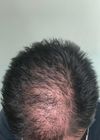
Visible hair improvement after 10 weeks using minoxidil, estradiol enanthate, acetophenide algestone, and bicalutamide. The user is a 25-year-old male with reduced testosterone levels, expressing a preference for less masculinity.
AHK-Cu peptide is considered better than GHK-Cu for hair growth. The user is seeking recommendations for trusted AHK-Cu peptide brands with third-party testing.
The conversation discusses that dutasteride may be more effective than finasteride for frontal hair loss due to higher 5ar Type 1 enzyme activity in that area. Some users question the validity of this information, while others confirm it with additional sources.
A 21-year-old male diagnosed with telogen effluvium and male pattern baldness started oral finasteride, which initially slowed hair loss and slightly thickened hair, but experienced increased shedding after surgery. The doctor recommended iron and vitamin D supplements, and the user is seeking additional advice.
A 23-year-old male is experiencing rapid hair thinning and receding hairline, feeling emotionally drained. He has tried GFC, PRP, ketoconazole shampoo, and supplements without improvement and is considering minoxidil, finasteride, and possibly a hair transplant.
A man shared his hairline improvement after two years on 1.25mg finasteride daily and using piroctone olamine shampoo. He has not had a hair transplant and does not plan to use minoxidil.
The user shared their bloodwork results showing DHT at 17 ng/dl and testosterone at 287 ng/dl, with a slight Vitamin D deficiency. They are seeking opinions on these levels and have an upcoming dermatologist appointment.
The user is experiencing significant hair shedding and suspects it may be due to low serum ferritin levels rather than worsening androgenetic alopecia. They have resumed iron supplementation and are seeking additional solutions to address the shedding.
The user is happy with hair regrowth after using finasteride, minoxidil, and microneedling for three months. Others comment on the progress and ask about the routine, lighting, and potential side effects.
GT20029 and pyrilutamide are both androgen antagonists but work differently; GT20029 degrades the androgen receptor, while pyrilutamide blocks DHT from binding. GT20029 is expected to have similar efficacy to CosmeRNA.
The user shared their hair regrowth journey since 2017, using treatments like finasteride, minoxidil, dutasteride, RU58841, microneedling, and later feminizing HRT. Significant progress was noted after starting HRT, with continued improvement in hair texture and regrowth.
A user reported significant hair regrowth after 3 months using 1mg oral finasteride, 1ml 5% topical minoxidil, and microneedling, along with biotin, vitamin D, iron, and zinc supplements. They are optimistic about continued progress despite initial skepticism.
The user is considering using CB or clascoterone for hair loss, potentially as an alternative to RU. They're also contemplating asking a dermatologist for topical clascoterone cream to apply to their temple.
A 22-year-old is experiencing diffuse hair thinning all over the head, losing about 300 long hairs daily, despite having good genetics and vitamin levels. They are seeking advice on whether this pattern is normal and considering consulting a dermatologist.
A 26-year-old shared their 2-month progress using finasteride, minoxidil, microneedling (1mm weekly), and vitamin D3 for hair loss. They are pleased with the results.
A user experienced significant hair shedding and thinning 10 months post-hair transplant despite using minoxidil and topical finasteride. They are considering switching to oral finasteride or dutasteride and are also dealing with scalp conditions like seborrheic dermatitis.
KX-826 (Pyrilutamide) 0.5% and 1.0% solutions showed promising results in increasing hair count for male androgenetic alopecia, with the 0.5% dose slightly outperforming the 1% dose. The treatment was well-tolerated with no sexual side effects, but skepticism remains due to past inconsistencies in trial results.
Injectable GHK-CU and BPC157 were discussed for hair loss, but users did not notice significant hair changes. BPC157 was noted to help with shoulder issues.
The conversation discusses struggles with diffuse thinning and hair loss treatments, including the use of dutasteride, minoxidil, and finasteride, with limited success. The original poster regrets having a hair transplant at 21 due to weak donor hair and ongoing thinning.
The user shared their hormone levels over time while using finasteride and dutasteride for hair loss. They experienced a significant drop in DHT levels but continued to lose hair, hoping for better results in the future.
A user is seeing good results with RU58841 for hair loss, noting reduced shedding and thicker hair. They plan to use pumpkin seed oil as a solvent to avoid water content, which they believe reduces the effectiveness of anti-androgens.
The conversation is about a person starting treatment with RU58841 for hair loss. They are asked to share progress pictures to show if the treatment is effective.
A teenage girl who has been diagnosed with ADA and is struggling with hair loss, which has caused her to lose confidence. She is looking for recommendations on treatments such as finasteride or Minoxidil, and lifestyle advice including vitamins and other supplements that might help with the issue.
OP experienced significant hair regrowth after recovering from iron deficiency anemia and starting minoxidil. They suspect anemia contributed more to their hair loss than androgenetic alopecia (AGA).
PTD-DBM therapy for hair loss is being developed by Dr. Kang-Yell Choi, with human testing planned in South Korea. Some clinics in the U.S. offer PTD-DBM/valproic acid therapy, but it hasn't completed trials yet.
A treatment containing Wnt and Follistatin was found to be safe and effective for hair regrowth in a Phase 1 clinical trial. Specific treatments discussed include Minoxidil, Finasteride, and RU58841.
The user is experiencing rapid hair loss despite using dutasteride, finasteride, and minoxidil, and is concerned about high estradiol and testosterone levels. They are advised to consult an endocrinologist for potential hormonal imbalances.
The conversation is about the potential impact of RU58841 on male fertility, specifically regarding sperm concentration, total count, and motility. The user is curious about the likelihood of RU58841 reducing fertility based on its mechanism of action and comparisons to similar substances.
The user has been using finasteride since November 2023, which improved their hair and confidence, and they plan to switch to dutasteride and get a hair transplant. They noticed hair thickening after 3-4 months on finasteride and are considering oral dutasteride and minoxidil for further improvement.