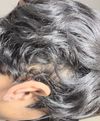
The conversation discusses using Duodart (dutasteride + tamsulosin) for hair loss, with side effects like frequent urination and ejaculation issues leading to discontinuation. The user switched to German Avodart and experienced mood and erection side effects, considering adjusting the dosage to three times a week.
A user shared their experience with high cholesterol, glucose, and potential metabolic syndrome after using Finasteride and Dutasteride for hair loss. They plan to improve their health with diet and exercise before considering medication.
Finasteride may lower allopregnanolone levels, potentially affecting mood, but many users report improved mental health due to reduced hair loss. Experiences with finasteride and dutasteride vary, with some experiencing side effects and others finding them beneficial for hair retention and overall happiness.
HMI-115, a potential treatment for hair loss that has been reported to produce significant regrowth in bald areas. It is the closest thing to a cure currently available and has raised hope that it could make hair transplants obsolete.
RU58841 cured seborrheic dermatitis, oily scalp, dandruff, and scalp pain, improving hair health when combined with Minoxidil. Another user noted diet impacts their seborrheic dermatitis and that finasteride hasn't changed their condition.
Hair loss discussion includes LLLT treatments and a satirical condition called PLLLTS, causing patients to resemble lighthouses and attract moths. Some users express concern about others taking the satire seriously.
The user has scheduled a hair transplant after stabilizing hair loss with finasteride and minoxidil, considering additional dermarolling. They are advised to use 2500-3000 grafts conservatively for temple filling without lowering the hairline too much.
A user is experiencing facial bloating from low-dose topical finasteride due to high estradiol levels and is seeking advice on using DIM to manage this issue, including dosage and brand recommendations.
Switching from finasteride to dutasteride for hair loss yields mixed results, with some users experiencing improvements and others facing worsening conditions or side effects like shedding. Patience is advised as dutasteride may take longer to show results, and combining treatments is suggested by some users.
The conversation discusses the impact of hair loss treatments like dutasteride and finasteride, with some users expressing skepticism about media claims linking these drugs to severe side effects like suicidal ideation. Many participants criticize the media, particularly British tabloids, for fearmongering and emphasize the psychological impact of hair loss itself.
The post argues that Post-Finasteride Syndrome (PFS) is likely not real and suggests symptoms may be due to mental health issues or the nocebo effect. The conversation includes personal experiences with finasteride, highlighting both positive and negative effects, and emphasizes consulting doctors and using reliable sources for medication.
A user received brand name Avodart instead of generic dutasteride for a lower price. Another user mentioned experiencing depression as a side effect but prefers having hair.
The user switched from finasteride to dutasteride for hair loss treatment and is experiencing shedding after 4 months. Another person suggests that this is not unusual and recommends giving it more time.
New hair loss treatments include topical and gel formulations combining finasteride and dutasteride, with added caffeine and melatonin. The user reports positive results from using topical dutasteride.
The user has been using dutasteride, minoxidil, and RU58841 for two years but continues to experience excessive hair shedding, despite also taking various supplements and trying other treatments like red light therapy. They are seeking advice and sharing experiences with others facing similar hair loss challenges.
The conversation discusses regret over delaying hair loss treatment, specifically with finasteride, and the emotional impact of hair loss. The user eventually stabilized their hair using oral finasteride after trying other treatments like topical finasteride, Fluridil, and Alfatradiol, and is considering future options like a hair transplant.
The conversation discusses hair shedding while using finasteride for hair loss treatment. The user is concerned about whether the shedding is a normal part of the treatment process.
The user is starting dutasteride mesotherapy and seeks information on checking serum DHT levels in Germany. They previously tried finasteride but experienced unpleasant side effects.
The user experienced side effects from finasteride and found improved mood and performance with DHT, but it worsened hair loss. They are considering options like TRT, HCG, and topical treatments like Saw Palmetto, but struggle with balancing hair preservation and functionality.
The conversation is about managing allopregnanolone deficiency caused by 5-alpha-reductase inhibitors like finasteride or dutasteride. Specific treatments discussed for hair loss include Minoxidil, finasteride, and RU58841.
A 24-year-old is struggling with severe depression and anxiety due to hair loss, despite using dutasteride and oral minoxidil for two years. They are advised to consider shaving their head, exploring wigs or hair systems, and focusing on other aspects of life like health, relationships, and career.
The conversation humorously discusses the side effects of finasteride, particularly sexual dysfunction. Users share mixed experiences, with some reporting issues and others not.
The user is experiencing side effects from fluridil after switching from finasteride due to severe side effects. They are uncertain whether to continue with fluridil, considering it might be their body adjusting, a nocebo effect, or a permanent issue.
Hope Medicine received a $28M investment for HMI-115, a monoclonal antibody in phase II trials for treating androgenetic alopecia. Some users are skeptical about its effectiveness, while others find the investment and trial results encouraging.
The conversation is about hair shedding experienced while using finasteride (fin) for hair loss treatment. Users discuss their experiences with finasteride, minoxidil (min), and other treatments, noting that shedding is often a sign that the treatment is working.
Dutasteride may be better for the brain than Finasteride, potentially increasing dopamine levels and causing fewer side effects. For those switching from Finasteride to Dutasteride to prevent hair loss, it's recommended to continue Finasteride for 3-4 months while starting Dutasteride to avoid shedding due to Dutasteride's long half-life.
The user is experiencing a second hair shedding phase after 7 months on finasteride, oral minoxidil, and ketoconazole, and is concerned about the sustainability of the treatment. Others encourage continuing the treatment, explaining that shedding is normal and should stabilize over time.
The conversation is about a user switching from finasteride to dutasteride after 4 years due to continued hair recession and miniaturization. The user plans to gradually increase to 1mg of dutasteride daily.