Search
for
Sort by
Community Join
870-900 / 1000+ resultscommunity Since 2010 I've been shedding (senior in hs) 6-7 years later.. I'm begging for help.
A user is experiencing significant hair loss and stress, seeking advice on treatments. They are using Pura d'or shampoo and conditioner, biotin, and considering other options but are hesitant about treatments like Minoxidil due to the need for continuous use.
community any experiences with ghk-cu for hair loss?
GHK-Cu is discussed for hair loss treatment, with some users reporting positive results using a 4% topical serum, but concerns exist about the long-term safety of oral or injectable forms. The original poster also uses finasteride and plans to start dutasteride.
community Odd Hair Growth (Possibly More Than Genetics?)
A 23-year-old user shares their hair regrowth journey, questioning if genetics or other factors are at play. They use Rogaine, finasteride, vitamin B12, biotin, Thera M Plus, and derma stamping, and seek advice on their regimen and hair growth patterns.
community Does This Invalidate PP405 Completely?
PP405's effectiveness in increasing hair density is questioned due to a small sample size, despite investment from Google Ventures. Users express skepticism and suggest waiting for more conclusive results.
community Most promising hair cloning research to date seeks industry partners for commercialization
The conversation discusses promising hair cloning research seeking commercialization partners. Cultured hairs formed with pigment, indicating positive progress.
community Hair won't regrow (even outside of MPB areas)
User experiences slow hair regrowth despite using finasteride, topical minoxidil, and supplements like biotin, zinc, and collagen. They seek advice on addressing overall slow hair regrowth.
community Topical VPA - Anyone experiences here?
The conversation is about using topical valproic acid (VPA) for hair loss, focusing on its application method, usage frequency, and combination with other treatments like micro-needling. No specific experiences with VPA were shared.
community How is scalp sensitivity even measured?
There are no tests to determine genetic follicle sensitivity for hair loss, and conclusions are based on hypothetical or post-balding observations. Finasteride is mentioned as an easy, consistent treatment option compared to natural treatments.
community 27M Struggling with 5-Month Treatment Limit on Minoxidil and Finasteride, Seeking AR Blocker Advice
A 27-year-old male is experiencing a recurring pattern of hair loss after 5 months of using oral minoxidil and finasteride, despite initial success. He is considering using topical androgen receptor blockers like RU58841, pyrilutamide, or clascoterone to address potential androgen receptor hypersensitivity.
community progress pics (HRT, fin, min, microneedling) (35, trans non-binary)
A non-binary transfeminine person experienced significant hair regrowth after starting finasteride, minoxidil, microneedling, and hormone replacement therapy with estradiol. They encourage trans individuals concerned about hair loss to consider estrogen as it has greatly improved their hair condition.
community Losing hope that doctors will help with my hair loss - Female Hair loss
A 28-year-old woman is struggling with Female Pattern Baldness and has tried various treatments, including Minoxidil and Spironolactone, without success. She feels frustrated with doctors' responses and is considering alternative treatments like light therapy but is losing hope in finding a solution.
community where and how to do Verteporfin after HT
The conversation is about a user planning to undergo a hair transplant and seeking information on clinics that perform Verteporfin treatment. A user suggests Dr. Barghouthi might offer this service.
community My thoughts after 4 years of shaving my head and SMP (27, NW3.5V)
After suffering from hair loss and trying various treatments like finasteride, minoxidil, RU58841, and scalp micropigmentation without lasting success, the individual found freedom and a renewed sense of self by shaving their head and accepting their baldness. They encourage others struggling with hair loss to not waste years searching for a cure and to consider embracing a shaved head as a positive solution.
community Peptides that Stop Hair Loss? | In-depth Literature Review Video
Peptides like TB500, KPV, GHK-CU, and BPC-157 are overhyped for hair growth with limited proven effectiveness in humans. Combining peptides with delivery methods like iontophoresis and sonophoresis shows promise, but many claims remain unproven.
community 18->24 six years of Fin and Minox…. I guess we can’t all be winners 😭
A user named "EgyptStar81" who has been dealing with hair loss since age 15 due to genetics, chemotherapy and finasteride/minoxidil treatment. Possible solutions such as dutasteride, oral minoxidil, hair transplants and extensions were suggested.
community Any updates or news on Gt20029?
There are no updates on GT20029, and concerns about its safety and effectiveness remain. The phase III trial has not started, and there are no new studies or data releases.
community Spanish dermatologist suggests sulforaphane for AGA
A Spanish dermatologist suggests sulforaphane for androgenetic alopecia (AGA) due to its potential to remove DHT metabolites, though high dosages are needed. A topical formulation might be possible.
community Sorry yall I cheated 😵💫 1 year fin + hrt
Hair regrowth and gender transition using finasteride, estrogen, and spironolactone. Significant hair regrowth and personal transformation were achieved through hormone replacement therapy.
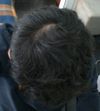
community 25 M Could this be the start for AGA? Should I be worried?
The user is experiencing hair loss, initially diagnosed as Telogen Effluvium due to stress, but is concerned it might be Androgenetic Alopecia (AGA). A suggestion was made to consider using Minoxidil or Finasteride if the condition worsens.
community Best available SARD right now?
The user is considering RU58841 and has been using dutasteride since age 17. They are seeking affordable SARD options, mentioning ASC-J9, GT20029, and AH001.
community Genetic testing to determine individualized hairloss treatment?
A user discusses a company, Roots by Genetic Arts, that offers a genetic test for hair loss to create personalized treatments, and is curious about its legitimacy and the science behind it. The company tests 16 genes related to hair loss and compounds a topical treatment based on the results.
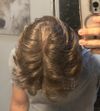
community (M24) Anything before min/fin? time to start?
The user is experiencing hair thinning and shedding despite no family history of male pattern baldness. They are considering starting treatments like Minoxidil or finasteride.
community Hairloss after doing PRF treatment
The conversation is about the potential risk of permanent hair loss from PRP (platelet rich plasma) treatments and whether PRF (platelet rich fibrin) carries the same risk. The user is seeking information on this topic.
community Had anyone used peptides for help with regrowth?
Peptides like GHK-Cu are discussed for hair regrowth, with mixed results; some users report no regrowth, while others notice thicker hair. Topical application is common, and proper sourcing and mixing are emphasized.
community The New, Improved CB-03-01/Setipiprant Group Buy
The group buy for CB-03-01, a topical anti-androgen for hair loss, was postponed and refunded due to issues with the product's form and solubility. The product, also known as Breezula, is an alternative to finasteride with fewer side effects, but its official release is delayed until 2021.
community Can a HT fix a severe case of diffuse thinning scalp?
The user has severe diffuse thinning on the scalp and is using finasteride, topical minoxidil, dermarolling, tretinoin, and Nizoral without satisfactory results. They are considering a hair transplant but are concerned about the cost and the number of grafts needed.
community Good news for stem cells hair therapies - US federal judge: using patients' stem cells does NOT fall under FDA jurisdiction
A US federal judge ruled that using patients' stem cells for medical treatments is not under FDA jurisdiction, potentially speeding up development of stem cell-based hair loss therapies. Some users are optimistic about increased research and development, while others express skepticism about the ruling's impact on safety and efficacy standards.
community Q1/Q2 Exciting times ahead - hope!
The conversation discusses various hair loss treatments, including Breezula, KX826, and PP405, with mixed opinions on their effectiveness compared to finasteride and minoxidil. Some users express skepticism about the new treatments, while others remain hopeful about future developments.
community 2,5-3 months progress. I might be a hyper responder?
The user is experiencing reduced hair shedding and increased hair density after using finasteride, minoxidil, derma rolling, granactive retinoid, and Nizoral, while also taking testosterone and aromatase inhibitors. They question if they are a hyper responder to the treatments, despite mixed feedback from others about visible progress.