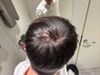
A young female diagnosed with Lichen planopilaris (LPP) experienced years of misdiagnosis and ineffective treatments, including a hair transplant and other procedures. She is considering litigation due to the misdiagnosis and has learned that LPP is chronic, hair loss can be stopped with ongoing medication, but lost hair cannot regrow.
Concerns about the potential high cost of new hair loss treatments, pp405 and gt20029, were discussed, with some users willing to pay a premium if they are effective. Alternatives like finasteride and minoxidil are mentioned as current, more affordable options, and there is speculation about future generic versions and black market availability.
Scalp biopsies are crucial for diagnosing hair loss conditions like Diffuse Unpatterned Alopecia (DUPA) and retrograde hair loss, as treatments like finasteride and dutasteride may not be effective if other conditions are present. Combining PPAR-GAMMA agonists with retinoids could improve treatments for conditions like Lichen Planopilaris.
A 21-year-old male diagnosed with telogen effluvium and male pattern baldness started taking finasteride, which initially slowed hair shedding and slightly thickened hair. The doctor recommended iron and vitamin D supplements, and the user is considering minoxidil but wants to stabilize shedding first.
A 26 year old female with PCOS who has been dealing with hair loss for several years, despite managing her hormones and taking vitamins. She has tried various treatments such as Nizoral, Minoxidil, Pyrithione zinc, coal tar and salicylic acid to no avail. The user is looking for advice on what else they can do to stop their hair loss.
A user experienced worsened hair condition after a PRP session and is considering stopping further sessions. They are using a Dermapen, electric massage, iron, saw palmetto, and plan to start minoxidil, but have had side effects with finasteride and are advised to consider dutasteride under medical supervision.
A 27-year-old is experiencing rapid hair thinning and is considering starting minoxidil or finasteride but is concerned about their effects and side effects. They seek advice on which treatment to start and appropriate dosages.
A 28-year-old shared surprising hair regrowth progress after 20 days using topical minoxidil, micro needling, GHK-cu, and BPC-157 injections. The user noted a significant reduction in their bald spot and overall hair improvement.
A gel of keratin microspheres promotes hair follicle growth, showing similar effectiveness to minoxidil in mice. The treatment activates hair growth pathways and reduces inflammation, with potential applications in drug delivery for hair-related disorders.
Concerns about the long-term safety of VDPHL01, an extended-release minoxidil, due to potential risks similar to Cantu syndrome, were raised, highlighting the lack of monitoring for chronic connective tissue changes. The conversation suggests that while the treatment may improve hair growth, it could lead to issues not detected in short-term trials.
PP405 shows promise as a hair loss treatment, with 31% experiencing increased hair density in a short trial. It may complement treatments like finasteride and minoxidil, but long-term effectiveness and safety need confirmation.
The conversation discusses GT20029, a drug in Phase II trials that targets androgen receptors with minimal systemic effects, and TDM-105795, a growth stimulant with a different mechanism than minoxidil that may revive papilla stem cells. Both are potential new treatments for hair loss.
A user discusses their habit of analyzing others' hair due to their own hair thinning at 18. Another user mentions starting finasteride in 2010 and still having a full head of hair.
PP405 (Everychem 3HP) may help with hair regrowth, with mixed user experiences. Users often combine it with minoxidil and finasteride, but there are concerns about its efficacy and side effects.
The user diagnosed with DUPA tried treatments like dutasteride, finasteride, RU58841, and minoxidil without success and is considering a hair system. They hope for a future cure, possibly with PP405, and others suggest options like scalp biopsy and SMP.
The user has been on a comprehensive hair loss treatment regimen for four years, including Dutasteride, topical and oral Minoxidil, and various other treatments, but has seen little progress and is considering a hair transplant. Despite trying multiple therapies, including PRP and exosome injections, the user is still experiencing hair thinning and is hesitant about trying peptides due to potential cancer risks.
The user experiencing diffuse hair loss is using various treatments including RU58841, finasteride, minoxidil with tretinoin, anti-hair loss shampoo, and microneedling, and is considering adding peptides TB500, BPC157, and GHK-Cu. They have low growth hormone levels and are questioning its impact on hair loss, while another user suggests androgenic alopecia and androgens are likely the main cause of hair loss.
The post discusses the potential of GT20029 in treating hair loss, questioning if it will replace finasteride or be used alongside existing treatments. A reply indicates that its role is still uncertain.
A 27-year-old woman experiencing significant hair loss is using spironolactone, Nizoral shampoo, and betamethasone valerate. She questions the effectiveness of these treatments and whether she should seek another dermatologist.
17M approaching Norwood 2, using topical minoxidil and considering finasteride, oral minoxidil, and pyrilutamide. Plans to study dermatology and possibly get a hair transplant at 25 if treatments don't work.
A 22-year-old male with hair loss is considering treatments like finasteride, minoxidil, and derma rolling after being diagnosed with MPB, vitamin D deficiency, and dandruff. He seeks advice on whether these treatments can realistically improve his hair density and achieve a healthier NW2.
The conversation discusses concerns about Scube3's effectiveness and potential cancer link. It questions whether Scube3 can regrow hair and how well it works according to researchers.
New hair loss treatments, including Breezula, VDPHL01, and PP405, are nearing Phase 3 trials, offering hope for effective solutions. Current treatments like finasteride and minoxidil remain effective, but early intervention is crucial.
Hair loss discussion includes Amplifica, a new treatment by Dr. Rassman and Dr. Plikus using molecules from hairy moles. No progress updates mentioned.
The conversation discusses the delay in bringing FAK inhibitors and Stanford's hydrogel to market for hair transplants, with a preference for FAK inhibitors over Verteporfin due to their superior potential in preventing scarring. The user expresses frustration over the slow progress and hopes for faster development by companies like FAKnostics.
The user shares their experience with hair loss treatments, including oral finasteride, oral minoxidil, and a topical lotion for dandruff, expressing dissatisfaction with past treatments like PRP and hair transplants. They seek advice on a DNA test to determine suitable medications and express frustration with dermatologists' advice.
Despite using treatments like Dutasteride, Minoxidil, RU58841, and GHK-Cu injections, the individual continues to experience aggressive hair thinning and is seeking a specialist for further help. Suggestions include trying finasteride, dermarolling, or another hair transplant.
The conversation is about someone looking for specific side effects reported in clinical trials for GT20029, a hair loss treatment. No results or data were found on the clinical trials site.