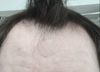
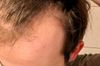
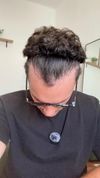
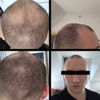
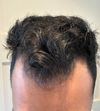
The user is experimenting with GHK-Cu and AHK-Cu to stop hair loss and promote hair growth, using a serum from Etsy and injectable GHK-Cu. They supplement this with dermastamping and ketoconazole shampoo.
A 31-year-old experiencing male pattern hair loss is considering options to manage it before their wedding, including continuing oral finasteride despite dizziness, switching to topical finasteride, adding minoxidil, or getting a hair transplant. They are advised that switching to topical treatments might reduce dizziness and that a hair transplant should be considered once hair loss stabilizes.
A user is seeking a prescription for DUT (Dutasteride) after limited success with finasteride and minoxidil for hair loss. They are advised to explore telehealth services for potential prescriptions.
Finasteride and minoxidil have helped maintain hair density and possibly improved coverage, though results vary and regrowth can take time. Some suggest trying dutasteride and oral minoxidil for more significant regrowth.
The conversation discusses a hair loss treatment regimen involving finasteride topical, minoxidil oral and topical, pumpkin seed oil, turmeric drink, weekly derma rolling, and regular head massages. Another user plans to start a similar regimen, including finasteride, minoxidil, keto shampoo, and GHK-Cu vials.
The user initially started finasteride at 5mg unknowingly, then experimented with various minoxidil formulations, leading to inconsistent results and hair loss. They resumed treatment with topical finasteride and minoxidil, seeing some regrowth, and are now using a more structured regimen while considering a hair transplant.
The user experienced long-term pain after an FUE hair transplant and is considering Kenacort injections for relief. They also reported brain fog, dizziness, and anxiety after stopping minoxidil and finasteride, and are currently using PRP, microneedling, and rosemary oil for hair maintenance.
An 18-year-old experiencing diffuse hair thinning since 8th grade seeks advice. They are concerned about having less hair than their 52-year-old father and are looking for treatment options.
A 30-year-old male is experiencing hair loss and is concerned about his receding hairline, seeking advice on his Norwood scale classification. He is apprehensive about using Minoxidil and finasteride as treatments.
A 24-year-old male is concerned about hair loss, possibly at Norwood stage 3 to 5, and has started using Minoxidil, shampoo, and hair fibers, while planning to get finasteride. He is worried about the shedding process affecting his progress.
A 22-year-old is experiencing worsening hair loss despite using a doctor-prescribed serum and shampoo. They are seeking advice on additional treatments like Minoxidil, finasteride, or RU58841.
The user shared progress pictures of their hair loss treatment in Spain. They are using Dutasteride, Minoxidil pills, and a topical combination of Finasteride and Minoxidil.
A 29-year-old male has been using topical finasteride (0.1%) and minoxidil (5%) for 2.5 months and noticed thicker, darker hair. He is considering whether to switch treatments, as the current regimen seems effective.
A 19-year-old male using 1 mg finasteride every two days for hair loss reports no side effects and believes maintaining his current hair condition is progress. Some users see no difference in hair regrowth, attributing changes to lighting.
The user achieved significant hair regrowth using oral finasteride for 2 years, then switched to topical minoxidil with rosemary oil and biotin oil. They reported no side effects and found topical minoxidil more effective than oral minoxidil.
Concerns about the effectiveness of DHT inhibitors like finasteride and minoxidil due to potential polymorph issues. Experts suggest these concerns are largely unfounded, especially compared to rare cases like ritonavir.
Finasteride may affect male offspring's fertility and hormonal balance, with debates on whether to discontinue use before conception. Some users report no issues, while others highlight the high doses used in rat studies.
The user is feeling discouraged after seven months of using finasteride and minoxidil with no visible results for hair loss. Suggestions include continuing treatment for up to 12 months, considering microneedling, checking for deficiencies, and possibly trying dutasteride or oral minoxidil.
The user experienced initial improvement in hair loss using topical minoxidil and oral finasteride but noticed worsening results after inconsistent use. They have restarted treatment and are seeking advice on how to proceed.
PUFA foods like salmon and walnuts are healthy and do not accelerate hair loss. There is no evidence linking PUFAs to hair loss, and claims suggesting otherwise lack scientific support.
A 49-year-old is documenting their hair regrowth journey using tretinoin cream, minoxidil foam, and finasteride. They report thicker hair and improved confidence, though progress feels slow and mentally challenging.
A 42-year-old man shares his positive experience with minoxidil and finasteride for maintaining a healthy crown despite some flaking. Users discuss the effectiveness and appearance of his hair, with some suggesting Nizoral for flake management.
The user is concerned about hair loss and is considering treatments like finasteride and minoxidil but is unsure about their effectiveness and side effects. They have experienced mixed reactions to shaving their head and are struggling with confidence due to balding.
Finasteride helped OP recover their hairline, and they did not use minoxidil. OP experienced significant hair regrowth with finasteride, similar to their father's experience.
The user shared progress pictures after using 1mg oral finasteride daily and topical minoxidil every other day for four months, showing significant hair growth. Others congratulated the user and discussed personal experiences with hair loss treatments.
The user has been using oral finasteride daily, topical minoxidil twice a day, tretinoin once a week, and 2% ketoconazole twice a week since February 5th. They shared progress pictures showing hair improvement over two and a half months.
A 26-year-old is starting a hair loss treatment using 1mg oral finasteride daily, 5% topical minoxidil foam twice daily, 2% ketoconazole shampoo weekly, and microneedling once a week. They noticed worsening hair loss over the past year and are seeking advice.
The conversation humorously discusses hair loss and its treatments, specifically mentioning Minoxidil, finasteride, and RU58841. It highlights a transformation from hairline recession to significant hair regrowth.
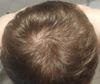
![[GHK-Cu+AHK-Cu experiment] Stopping hair loss and promoting hair growth](/images/research/a2fe9e48-31eb-4e92-a763-614a7d32f7cd/small/20559.jpg)