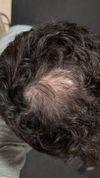
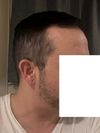
The conversation discusses hair loss treatment options, focusing on finasteride and its potential effects on gynecomastia. The user is considering finasteride while managing hormone levels with supplements like boron, vitamin D, zinc, magnesium, and P5P, and is advised to consult an endocrinologist for further evaluation.
The conversation is about a user seeking help with hair regrowth treatments, specifically mentioning Setipiprant, Minoxidil, Finasteride, and RU58841. The user is trying to contact forum members for guidance on making and using these treatments.
The conversation discusses an extensive hair loss treatment regimen including dutasteride, GT20029, RU58841, pyrilutamide, minoxidil, microneedling, ketoconazole shampoo, and experimental compounds. The user humorously describes their approach as a comprehensive strategy to combat hair loss while maintaining hair growth.
Hair cell therapy and follicle cloning are still in experimental stages, with treatments like hair multiplication and regenerative hair therapy being marketed but not yet proven to create unlimited new follicles. There is skepticism about the effectiveness and legitimacy of these treatments, with some considering them scams.
The user experienced significant hair regrowth and darkening after 4.5 months using 1 mg Finasteride and 5% Minoxidil. Despite improvements, they are still considering a hair transplant for a better hairline.
Despite using treatments like Dutasteride, Minoxidil, RU58841, and GHK-Cu injections, the individual continues to experience aggressive hair thinning and is seeking a specialist for further help. Suggestions include trying finasteride, dermarolling, or another hair transplant.
The conversation discusses hair loss treatments, including scalp massage, and the importance of blocking DHT for hair loss management. The user shares blood test results, which appear normal, and seeks advice on effective tests and treatments, expressing a preference for natural methods over medication.
The user has been using Minoxidil, finasteride, and a dermaroller for a year with little effect on hair loss. They are considering a hair transplant and are questioning the number of grafts needed and the feasibility of transplanting onto a partially bald scalp.
The conversation discusses the anticipated release of GT20029, with some users expressing skepticism about its availability. It also mentions the use of treatments like Minoxidil, finasteride, RU58841, and dutasteride for hair loss.
Kintor's GT20029, a treatment for hair loss, has completed Phase 1 successfully, showing promise as an androgen receptor degrader that could potentially regrow hair. It is considered more effective than Pyrilutamide, with infrequent dosing and minimal systemic absorption.
The user is pleased with their hair transplant results after six months and seeks feedback. The conversation is positive, with others affirming the success of the procedure.
The conversation discusses using GFM Gel, a topical gel with polypeptides that mimic growth factors to promote hair regrowth and strengthen hair. It also mentions treatments like Minoxidil, finasteride, and RU58841 for hair loss.
A user is exploring VEGF gene therapy to enhance hair transplant results, considering measuring hair shaft diameter and growth rate. Suggestions include using phototrichograms and possibly adding PRP, though its effectiveness is uncertain.
A user experienced significant hair shedding and thinning 10 months post-hair transplant despite using minoxidil and topical finasteride. They are considering switching to oral finasteride or dutasteride and are also dealing with scalp conditions like seborrheic dermatitis.
A fake hair loss product called "PP405" is being humorously discussed, with users joking about its effectiveness and availability on resale websites. The consensus is that it's a scam, with some users sarcastically claiming miraculous results.
The user underwent a hair transplant 11 months ago and is satisfied with the results, regaining confidence. Post-operation treatments included oral minoxidil, finasteride, dutasteride, vitamin supplements, and occasional QR678 injections.
The conversation discusses microneedling for hair loss, with the original poster experiencing pinpoint bleeding after using needles of 1.25mm and 0.5mm, possibly due to adding GHK-Cu to their treatment regimen. They are inquiring if others bleed at similar depths.
The conversation is about the anticipated release timeline for a hair loss treatment called GT20029. It may be available on the gray market in 1-2 years and officially in 3-4 years after completing clinical trials.
PP405 (Everychem 3HP) may help with hair regrowth, with mixed user experiences. Users often combine it with minoxidil and finasteride, but there are concerns about its efficacy and side effects.
Visible hair improvement after 10 weeks using minoxidil, estradiol enanthate, acetophenide algestone, and bicalutamide. The user is a 25-year-old male with reduced testosterone levels, expressing a preference for less masculinity.
The conversation is about seeking user experiences with Traya for hair loss treatment, focusing on the effectiveness and convenience of its doctor, diet, and product approach. The user is conducting research and requests feedback on what worked or didn't work.
Low-Level Laser Therapy (LLLT) is seen as a safe and effective method for maintaining hair and promoting regrowth in androgenetic alopecia (AGA) and male pattern baldness (MPB), with devices like the HairMax LaserComb® and iRestore helmet being popular. Some users and professionals are skeptical about its long-term effectiveness and cost.
The user is excited about starting Clascoterone 5% for hair loss, a DHT blocker, and expects better results when combined with Minoxidil. The prescription costs $199 for 30 ml or $353 for 60 ml, and the user plans to cover the cost by driving for Uber.
The user started using topical minoxidil, oral finasteride, GHK-CU, and HGH in October, resulting in thicker hair and improved overall health. They experienced minor side effects like dehydration from HGH but reported benefits like clearer skin, better recovery, and muscle gain.
The conversation discusses the benefits of combining scalp stem cell treatments and exohealer with RF microneedling before a hair transplant. The original poster recommends these treatments for better results.
User got a hair system after hair transplant and finasteride didn't meet their needs. Hair system cost $200, initial install $150, and user is satisfied with the results.