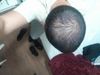
A user who underwent a hair transplant in Istanbul to reduce balding, and the discussion of various treatments such as finasteride and growth hormone for preventing further hair loss.
Japanese scientists discovered ABM cells, enabling successful human hair follicle cloning, potentially curing hair loss. The treatment may be available in Japan by 2028, but it will be expensive and require travel.
The user is using Dutasteride and Minoxidil for hair loss and is considering a shorter buzz cut to manage the appearance of thinning at the crown. They are unsure if a #1 buzz cut would look better than a #3 while waiting for the treatment to take effect.
A 33-year-old man experienced diffuse thinning and hair shedding due to sleep deprivation and low testosterone. After starting hCG treatment, he noticed hair regrowth on his temples.
Clascoterone is a topical treatment for androgenetic alopecia, showing modest to moderate hair regrowth, and may be available by 2027-2028. It is considered safer than finasteride, with discussions on its effectiveness compared to RU58841 and pyrilutamide.
The user received 1600 hair grafts but is dissatisfied and plans a second transplant for better coverage. They use minoxidil and finasteride and are considering adding dutasteride.
The user experienced significant hair regrowth using finasteride and minoxidil. They plan to switch to dutasteride for its potency after confirming their body's tolerance to DHT blockers.
Male pattern baldness (MPB) may be influenced by androgen receptors in scalp hair follicles and potentially poor blood flow. Transplanted hair is not immune to DHT, and factors like inflammation and scalp tension might also contribute to hair loss.
The conversation discusses the progress and potential of hair cloning by Stemson Therapeutics, questioning if it will be realized in the next 5-10 years or if it's just false hope. Specific treatments mentioned include Minoxidil, finasteride, and RU58841.
A 28-year-old male reported significant hair regrowth after 5 weeks using a regime including Minoxidil, Ketozolin shampoo, microneedling, hyaluronic acid, saw palmetto, pumpkin seed, MSM, frankincense, zinc, multivitamins, and vitamin D. He also noted improvements in digestion, dry eyes, and skin health, and observed beard growth from microneedling.
The user switched from finasteride to 0.5mg oral dutasteride and added 2.5mg oral minoxidil, along with occasional microneedling, to improve hair regrowth. They reported no side effects and are hopeful for continued progress, especially in the temple area.
A user created oral minoxidil sugar cubes due to lack of prescription access, leading to a humorous discussion about unconventional and potentially unsafe methods of using minoxidil. The conversation highlights the lengths people go to for hair growth.
Comparing the effectiveness of RU58841, Pyrilutamide and CB-03-01 as treatments for hair loss, with people discussing different aspects such as binding affinity, time of inhibition, safety data and cost.
People are discussing the anticipated release of PP405 phase 2a results, expected by the end of March, with some skepticism about its effectiveness. There is cautious optimism due to past experiences with similar treatments like Breezula, despite concerns about the lack of presentation at the AAD 2026 conference.
The user is using a hair loss treatment regimen that includes applying various topical solutions and taking oral medication. They are mixing their topical treatments to save time but are concerned about the effectiveness of the treatments when combined and stored.
Results for Amplifica's AMP-303 hair loss treatment study are expected late summer 2024. The study, fully enrolled in Q1 2024, focuses on safety and tolerability.
A 51-year-old woman switched from Minoxidil to Maneup, a copper peptide treatment, experiencing initial hair loss but later regrowth with different hair texture. Users debated Maneup's effectiveness, with some considering it alongside finasteride.
Minoxidil's effectiveness varies due to differences in sulfotransferase enzyme levels in the scalp, affecting people with conditions like ASD, liver disease, and androgenic alopecia. Treatments like topical tretinoin, microneedling, and using minoxidil sulfate instead of regular minoxidil can improve results for those with low enzyme levels.
The conversation is about hair regrowth progress using a combination of treatments: dutasteride, minoxidil, RU58841, ketoconazole, and monthly microneedling. The user reports that microneedling and topical minoxidil had the most impact on their hairline.
The conversation is about a hair loss treatment regimen that includes finasteride, dutasteride, oral minoxidil, Dermapen, quercetin, N-acetyl L-cysteine, biotin, millet seed extract, MSM, OPC, green tea extract, high-dose vitamins B1-B12, boron, and silica. The user is seeking advice on additional treatments.
A user's experience with the Big 3 (minoxidil, finasteride and RU58841) hair loss treatment along with dermarolling. The dermaroller pin was 1.5mm used once per week and drew some blood but not a lot.
Gizzela is unsure about the dosage and frequency of copper peptides and asks if they can be used with Stemoxydine. They seek advice on applying these treatments together.
A 21-year-old woman diagnosed with male pattern baldness (MPB) who is considering treatments such as spironolactone, minoxidil and finasteride to address her hair loss. The user also discusses potential solutions for concealing the appearance of her thinning hair, such as wigs or haircuts.
The user started using finasteride, minoxidil, and biotin for hair loss and believes they are a hyper responder, noticing significant changes in hair thickness. They regret not starting earlier and mention using oral minoxidil.
The conversation discusses hair loss treatments, including scalp massage, and the importance of blocking DHT for hair loss management. The user shares blood test results, which appear normal, and seeks advice on effective tests and treatments, expressing a preference for natural methods over medication.
Personal experience with Procyanidin B2 shows it's ineffective for hair loss. Viviscal Pro supplement tablets, containing Procyanidin B2, didn't help after 8 months of use.
Hair growth can be induced without stopping DHT, as seen with Minoxidil. HMI115 may work by promoting follicle growth, not targeting the root cause of hair loss (DHT).
The user experienced no improvement in hair loss with finasteride and minoxidil but had side effects. They plan to add wounding, scalp massage, vitamin K, and taurine supplements to their regimen and seek feedback on these additions.
The user has been using dutasteride, RU58841, and minoxidil for hair loss, experiencing some side effects and mixed results, with RU58841 notably reducing scalp itch. Despite extensive treatment, the user has maintained hair but struggles with hairline thickening.