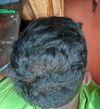
A user claims to have reversed baldness, possibly due to telogen effluvium recovery after weight loss. Others discuss the potential success of using GHK-Cu for hair regrowth.
A user who experienced positive results from using finasteride and dutasteride to treat their hair loss, with 2000 grafts being transplanted in the temples area for further improvement. They also discussed cost and other treatments such as minoxidil.
A 17-year-old is experiencing early hair thinning and is considering oral minoxidil while being cautious about finasteride due to side effects. They seek advice on hair maintenance and plan to consult a doctor before using DHT blockers.
Injectable GHK-CU and BPC157 were discussed for hair loss, but users did not notice significant hair changes. BPC157 was noted to help with shoulder issues.
Copper peptides, specifically GHK-Cu, are being considered for hair regrowth, though skepticism exists due to questionable product sources. Users suggest finding reputable sources for potential benefits, while acknowledging traditional treatments like Minoxidil and Finasteride.
Diffuse thinning is often due to androgenetic alopecia, and DHT blockers like finasteride are recommended. Treatments mentioned include minoxidil, finasteride, dutasteride, and RU58841, with emphasis on starting early and using a holistic approach.
A 30-year-old with Norwood 3V hair loss uses finasteride 1.25 mg every other day and Minoxidil (Regaine 5%) twice daily, experiencing no side effects with the current regimen. The front hairline remains unchanged, but the crown appears better in certain lighting.
A 22-year-old male with hair loss is considering treatments like finasteride, minoxidil, and derma rolling after being diagnosed with MPB, vitamin D deficiency, and dandruff. He seeks advice on whether these treatments can realistically improve his hair density and achieve a healthier NW2.
The user is using RU58841, Revivogen, Regenepure ketoconazole shampoo, and plans to use a stimufield cap to address hair loss. They aim to avoid finasteride and minoxidil while hoping to stop hair loss and regrow hair.
The conversation discusses the delay in bringing FAK inhibitors and Stanford's hydrogel to market for hair transplants, with a preference for FAK inhibitors over Verteporfin due to their superior potential in preventing scarring. The user expresses frustration over the slow progress and hopes for faster development by companies like FAKnostics.
A 27-year-old considering a hair transplant after going bald from 2018 to 2024. Recommendations include using finasteride and minoxidil before the transplant, with mixed opinions on their long-term use and side effects.
The conversation discusses potential hair loss treatments focusing on stimulating IGF-1 at the follicle level using growth-factor cocktails and engineered peptides, such as Acetyl Tetrapeptide-3, Copper Tripeptide-1, Oligopeptide-20, Thymosin-β4, and Palmitoyl Tetrapeptide-7. It suggests that device-assisted delivery methods like microneedling may enhance effectiveness.
The user has been on a comprehensive hair loss treatment regimen for four years, including Dutasteride, topical and oral Minoxidil, and various other treatments, but has seen little progress and is considering a hair transplant. Despite trying multiple therapies, including PRP and exosome injections, the user is still experiencing hair thinning and is hesitant about trying peptides due to potential cancer risks.
The conversation is about a transgender individual's experience with hair regrowth using topical minoxidil and hormone replacement therapy (HRT), expressing concern about the slow growth and thin appearance of their hair. Some responses encourage patience and highlight the variability of results, while others discuss the role of HRT and its effects.
A 19-year-old with rapid hair loss since 16 is considering a hair transplant but refuses to take finasteride or any 5α-Reductase inhibitors. They are currently using minoxidil, tretinoin, and microneedling with a Derminator 2, and only want hair until age 27.
A man in his twenties with hereditary hair loss has been using 5% Minoxidil, a derma roller, Vitamin D3, and recently started Finasteride, noticing baby hairs and some improvement. Users encourage him, noting good progress and potential for further improvement.
A user discusses their struggle with aggressive hair loss starting at a young age and their use of various treatments, including topical finasteride, minoxidil, dutasteride, and RU58841, without significant success. Other users share their experiences and suggest trying oral finasteride or dutasteride, topical spironolactone, and maintaining a vitamin regimen, while noting potential side effects like gynecomastia.
PP405 shows promise in activating dormant hair follicles and increasing hair counts but lacks detailed efficacy data compared to minoxidil and finasteride. Opinions are mixed, with some optimism and skepticism about its effectiveness.
PP405 is anticipated as a future treatment for dormant hair follicles, but its effectiveness and safety are uncertain. Current treatments include oral minoxidil and microneedling, with some avoiding finasteride due to side effects.
TDM-105795 is a potential hair growth stimulant that works differently from minoxidil and could be used alongside it for enhanced growth. It completed phase 2 trials in 2024, with a medium to high chance of release in 2026, but lacks recent updates or phase 3 trial information.
Han Bio plans to start Phase 1 clinical trials for a hair growth treatment in 2027 after successful results in mice. Many users express skepticism about the effectiveness of treatments that work on mice but not on humans, and discuss existing treatments like finasteride and minoxidil.
AMP-303 and AMP-601 are new hair loss treatments targeting dermal papilla cells, with AMP-303 showing early efficacy in transitioning vellus hairs to terminal hairs after one injection. Further clinical trials are planned, and these treatments are seen as promising due to their biologic approach and less frequent application compared to daily treatments.
A user is upset about hair loss due to seborrheic dermatitis and DUPA, which prevents a hair transplant. They mention using jojoba oil and discuss treatments like Minoxidil, finasteride, and RU58841.
A South Korean company, Therazyne, has developed a promising hair loss treatment using a WNT chain surrogate that binds to Frizzled 7, with human follicle testing expected soon. Current treatments like minoxidil and finasteride are not seen as cures, and while optimism exists for future solutions like PP405, approval processes are lengthy.
A 21-year-old is experiencing hairline recession and is using finasteride, saw palmetto, gelatin, topical minoxidil with retinoic acid, derma stamping, and scalp massage to address it. Suggestions include adding oral minoxidil, vitamin D3 with K2, and maintaining the current regimen for a year.
PP405, a potential treatment for male pattern baldness, shows promise with some participants experiencing hair regrowth in early trials. However, it is not yet considered a cure and may be used alongside existing treatments like minoxidil and finasteride.
A user shared their 1 and 2-year hair progress using finasteride only, showing significant improvement. They experienced some initial side effects but found the treatment effective and regret not starting earlier.
Pyrilutamide, a potential hair loss treatment that has been tested in Phase 2 trials and may be available for purchase through a group buy in June. It is purported to have similar effects on hair growth as Dutasteride.