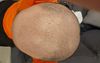
Hair loss after telogen effluvium (TE) with thinning and possible scarring, treated with 5 mg oral minoxidil. Concerns about scarring alopecia and lack of regrowth, with suggestions to consider finasteride for better results.
A 22-year-old male has been experiencing widespread hair loss for over four years, including pain and significant shedding. Treatments tried include ketoconazole shampoo, fluocinonide topical solution, biotin, ACV, and dry shampoo, but none have been effective.
The user is experiencing hair thinning on the sides and back of the head while the top remains thick. A reply suggests it might be retrograde alopecia.
The user experienced red pimples and a rash from using topical minoxidil, possibly due to propylene glycol. Suggestions included seeing a dermatologist, switching to foam without propylene glycol, using Nizoral, and adjusting application timing.
The user experienced hair regrowth with dutasteride and oral minoxidil from October 2025 to January 2026, but mid-scalp density decreased afterward despite continued treatment. Ketoconazole improves scalp condition, but stopping it worsens hair appearance.
The user plans to treat hair loss with topical minoxidil mixed with caffeine and melatonin, keto shampoo, and oral saw palmetto. They aim to stimulate hair growth, block DHT, and prolong the growth phase without using finasteride or dutasteride.
The user struggles to cover their entire scalp with 1 ml of RU58841 while using dutasteride and oral minoxidil for hair loss. Suggestions include using a syringe for precise application, applying twice daily, and considering the use of more than 1 ml to ensure full coverage.
Users discuss their preferred daily shampoos for hair loss, mentioning products like Nizoral, rosemary shampoo, caffeine shampoo, and biotin shampoo. Some also use shampoos containing minoxidil and ketoconazole.
The user discussed their hair loss treatment routine, which includes using Minoxidil, caffeine, biotin liquid, and RU58841 twice daily, Nizoral twice a week, and microneedling once a week. They plan to switch to rosemary essential oil after seeing full hair regrowth.
The conversation is about the safety of using a product with azelaic acid and other ingredients on a receding scalp for hair loss. Specific treatments mentioned are Minoxidil, finasteride, and RU58841.
New hair loss treatments include topical and gel formulations combining finasteride and dutasteride, with added caffeine and melatonin. The user reports good results with the topical dutasteride.
The user experienced continued hair loss and scalp itch despite using finasteride and switching to dutasteride. They sought advice on managing these issues, with suggestions including adjusting medication frequency and trying different shampoos.
Finasteride can cause scalp itch and inflammation, possibly due to DHT changes, but these effects are often temporary and part of the shedding phase. Consistent use of finasteride may show results after 6 months, with potential hair regrowth and slowed hair loss.
The user has been taking oral minoxidil, dutasteride, and biotin for 3 months and noticed changes in hair texture, suggesting potential regrowth or stabilization. Baby hairs and increased hair density are seen as positive signs.
A user is seeking a hair-loss shampoo without salicylic acid due to an allergy. Recommendations include using Finasteride, Minoxidil, and Nizoral Anti-Dandruff Shampoo (ketoconazole), while avoiding Nizoral Scalp Psoriasis Shampoo & Conditioner.
Scalp tension from the occipitalis muscle is theorized to contribute to hair loss, but most believe DHT and genetics are the main causes. Treatments like finasteride and minoxidil are considered more effective than addressing scalp tension.
Tea tree oil shampoo resolved redness, itching, and increased hair thickness for the user, suggesting demodex mites as a possible cause. Nizoral was ineffective, but tea tree oil showed significant improvement over several months.
The conclusion of the conversation is that the user has experienced significant hair regrowth using a mixture of oils, including rosemary essential oil, peppermint essential oil, and carrier oils like castor oil or jojoba oil. The user also clarifies that both pictures were taken with damp hair.
The user experienced hair thinning in the middle of their head despite using finasteride and minoxidil and having a hair transplant. They are concerned about the thinning and considering shaving their head, while being advised to continue treatment and manage stress.
Applying vitamin E capsules, specifically tocotrienols, on the scalp for hair regrowth. Users are skeptical about its effectiveness due to lack of evidence.
HMI-115, a potential treatment for hair loss that has been reported to produce significant regrowth in bald areas. It is the closest thing to a cure currently available and has raised hope that it could make hair transplants obsolete.
The post and conversation are about hair loss treatments and tips for healthier hair, including using a dermaroller, taking vitamins (D, omega 3, zinc, magnesium), and using a silk pillowcase. The user also inquires about the effectiveness of aloe vera and oils for hair.
The conversation discusses using minoxidil spray for hair thinning, with advice to use a dropper for better application. Many users recommend adding finasteride as a DHT blocker for more effective hair loss prevention.
A deoxyribose sugar gel may work as well as minoxidil for hair regrowth by boosting blood supply to hair follicles. Some users discuss combining it with minoxidil and cetrizine, but caution is advised due to potential risks and lack of consistent results.
Scalp massage significantly reduced hair loss for the user, who had been using finasteride without improvement. The user attributes the reduction in hair loss to the massage rather than the medication.
The conversation is about the potential format of Breezula, a hair loss treatment, and concerns that it might be greasy or sticky. Specific treatments mentioned are Minoxidil, finasteride, and RU58841.
The conversation discusses being overwhelmed by the variety of hair loss treatments, including finasteride, minoxidil, ketoconazole shampoo, caffeine shampoo, and other supplements like biotin and saw palmetto. The user expresses uncertainty about which treatments to use.
A 24-year-old with male pattern baldness experienced side effects from oral finasteride and switched to a topical minoxidil/finasteride combination, later incorporating daily shampooing and scalp brushing to manage hair loss and dandruff. After initial shedding, the regimen led to reduced hair loss and new hair growth, with the user now using a densita mf combination (5% minoxidil/0.1% finasteride + redensyl) nightly.