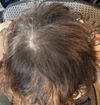
A 12-year-old diagnosed with alopecia shares their experience and current treatments, including Dermovate, an unnamed cream, and liquid iron. The community offers support and encouragement.
The user is experiencing increased hair shedding and thinning despite using Minoxidil, Finasteride, vitamins, zinc, microneedling, and Omega 3 supplements. They are seeking advice on whether this is normal and how to stop it.
A user is considering microneedling to enhance absorption of a prescribed topical hair loss treatment containing Minoxidil, Dutasteride, and Latanoprost, while already taking oral Minoxidil and Dutasteride. They seek advice on the effectiveness and safety of combining these treatments, especially due to the cost and their desire to maximize results.
The conversation is about a user taking a break from oral minoxidil due to persistent eye puffiness after two years of use. Suggestions include switching to topical minoxidil foam and adjusting the dosage to manage side effects.
A serum containing Centella asiatica extracellular vesicles, IGF-1, FGF-7, and caffeine significantly improved hair thickness, density, length, and reduced hair loss after 56 days. The conversation also discusses how treatments like finasteride, minoxidil, and ketoconazole address different aspects of hair loss by reducing DHT, improving blood flow, and lowering inflammation.
The conversation discusses hair loss treatments, focusing on reducing scalp itching and dandruff using natural shampoos, witch hazel, and apple cider vinegar. The user also mentions using finasteride and observing potential regrowth, though it's difficult to confirm.
Finasteride and minoxidil are effectively regrowing hair, with some side effects like decreased libido. Dermarolling is also mentioned as beneficial when combined with minoxidil.
Dutasteride and high-dose Minoxidil are the primary treatments maintaining hair, with additional supplements and therapies like red light offering minimal extra benefit. The discussion criticizes promoting expensive hair care products when basic medications are doing most of the work.
The user has been using minoxidil foam and mesotherapy with dutasteride since February 2024 for hair loss. They are seeking opinions on their progress, considering dermarolling, and asking for shampoo suggestions.
A 22-year-old male experienced hair regrowth using an intermittent Dutasteride regimen, oral and topical Minoxidil, FolliHair AM/PM, and Salicia KT shampoo. He stopped Dutasteride due to side effects like dry eyes and skin, but noticed increased hair shedding after stopping.
A user is considering a hair loss treatment lotion containing minoxidil, adenosine, caffeine, melatonin, and azelaic acid, questioning the interaction between caffeine and adenosine receptors. Another user suggests adding a topical anti-DHT ingredient like spironolactone, noting it should not be taken orally by men.
The user is excited about hair regrowth results after using Hims topical finasteride and minoxidil since December, along with derma rolling twice a week. They report no side effects and apply minoxidil after derma rolling, with noticeable progress in hair density.
User asks how long to wait after applying minoxidil liquid before applying Fluridil for dry scalp. Topical routine includes minoxidil 2x daily and Fluridil once before bed.
A 20-year-old male with diffuse androgenetic alopecia tried homeopathy for hair regrowth but saw limited results due to inconsistency and is considering switching to minoxidil and finasteride. Despite some baby hair growth, hair fall hasn't stopped, and he believes more time and consistency might be needed.
The user is using a hair loss treatment regimen that includes double the recommended dose of Minoxidil foam once nightly, a mix of RU58841 and stemoxydine after the Minoxidil dries, ketoconazole every other day, and weekly microneedling with alternating depths. They are also considering starting finasteride soon.
The user switched from finasteride to dutasteride while continuing minoxidil and microneedling, seeing gradual hair regrowth. They are considering adding oral minoxidil and possibly a LLLT helmet for further improvement.
A 23-year-old is experiencing hair that is thick at the ends but thin at the roots despite using minoxidil and finasteride for 10 months. They are concerned about whether this is normal or a sign of miniaturization and seek advice on reversing or improving the condition.
A 20-year-old is using oral and topical finasteride, topical minoxidil, ketoconazole shampoo, rosewater, Adgain tablets, creatine, and derma stamping to address hair loss. There is a debate about creatine's impact on hair loss, with some suggesting it increases DHT, while others disagree.
Hair loss, DHT and bloodflow with Andrew Huberman; the discussion includes opinions about supplements, finasteride, minoxidil, turmeric, coffee and botox injections for hair loss.
A user's successful hair regrowth journey using a cocktail of finasteride, minoxidil, and ketoconazole. The user started seeing noticeable results after 8 months and also incorporated saw palmetto, biotin, keratin, and dermarolling into their routine.
Isotretinoin may cause hair loss by increasing DHT through a precursor androgen, DHEAS. Treatments like topical antiandrogens (RU58841, pyrilutamide) and drugs increasing PPAR-y expression (pioglitazone) might prevent this hair loss.
A user is experiencing diffuse thinning and is using oral minoxidil, dutasteride, and plans to add finasteride temporarily. They express frustration with local dermatologists' lack of knowledge on hair loss treatments.
Mixing RU58841 with minoxidil compounded with tretinoin is discussed, with concerns about systemic absorption. Topical dutasteride and finasteride are also mentioned as treatments, with varying personal experiences and concerns about side effects.
Topical diazoxide may be a promising hair regrowth treatment, especially for those who don't respond to minoxidil, as it activates potassium channels without needing sulfation. It appears safe for topical use, avoiding systemic effects seen in oral use.
A user is considering making a 2% clascoterone lotion from powder due to unavailability in their location. They plan to mix clascoterone powder with retinol lotion and use literature to determine the correct dosage.
The user is experiencing increased hair shedding despite using oral dutasteride and a topical solution with minoxidil, finasteride, and tretinoin. They are considering switching to oral minoxidil while continuing dutasteride to address the shedding and seek advice on this potential change.
User discusses tight scalp causing hair loss and suggests treatments like scalp massages, PRP, saw palmetto, and eucapil. They share their experience with saw palmetto and eucapil and consider adding PRP and scalp massages for better results.
The user regained most of their hair using Minoxidil, Finasteride, and Dermarolling. They found Dermarolling particularly effective, as it promotes growth factors and improves hair thickness.
A user experienced a minor heart attack after combining minoxidil with dermarolling and is considering stopping minoxidil use. They are concerned about hair loss after quitting and are exploring if finasteride or essential oils can maintain hair growth.
The conversation discusses the legitimacy of Hair Repair Clinic's topical products and the use of ethanol/water solution instead of trichosol for finasteride. The user prefers ethanol for faster drying and less odor.