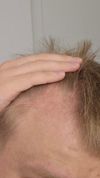
A 27-year-old male experienced hair loss and dermatitis, which improved with tea tree oil and neem extract. He is considering using a 2% Ketoconazole solution for further treatment.
Topical spironolactone is discussed for hair loss treatment, with mentions of DIY solutions and dermatologist compounding. Users inquire about regrowth and sourcing the treatment.
Clascoterone is promising for hair loss, showing 24.5% improvement in satisfaction compared to placebo. Users consider it an alternative to finasteride, with concerns about absorption and side effects.
The post and conversation discuss different methods of applying hair loss treatments directly to the scalp. The original poster suggests using a 1ml TB Syringe & Ophthalmic Cannula for precise application, while others share their own methods, including sprays, droppers, and simple syringes.
Topical spironolactone is discussed as a potential hair loss treatment for those who can't tolerate finasteride, with some users noting varied results and side effects. Alternatives like laser caps are also mentioned.
The user is seeking a quicker-drying carrier for RU58841 and Minoxidil to improve adherence to their hair loss treatment routine. They want to apply it after a morning shower without affecting their hair's appearance.
The conversation discusses using topical synthetic prostaglandins like Bimatoprost, Latanoprost, and cetirizine for hair growth. The user shares a link suggesting these treatments may be effective.
A user is considering a hair loss treatment lotion containing minoxidil, adenosine, caffeine, melatonin, and azelaic acid, questioning the interaction between caffeine and adenosine receptors. Another user suggests adding a topical anti-DHT ingredient like spironolactone, noting it should not be taken orally by men.
The user is experiencing diffuse androgenic alopecia and is trying various treatments, including 5mg finasteride, loniten, and Formula 82D, which contains dutasteride, a steroid, and tretinoin. They report potential regrowth with Formula 82D, despite previous treatments being ineffective.
A user is seeking advice on applying topical finasteride due to absorption issues after stopping oral finasteride because of side effects. Suggestions include using a dropper, parting hair, massaging, and trying foams or sprays.
The user has been using topical 5% Minoxidil, 0.1% Finasteride, dermastamping, 2% ketoconazole, and a DHT-blocking shampoo with saw palmetto, caffeine, biotin, and argan oil for hair loss. Despite some baby hair growth on one side, the user is experiencing continued hairline recession and shedding, leading to distress.
The conversation is about a hair loss serum mix containing 5% capixyl, 3% redensyl, and procapil. The user is asking for recommendations or opinions on the effectiveness of this product.
A user shared their success in getting a prescription for 0.1% Alfatradiol, a topical treatment for hair loss similar to finasteride but with fewer side effects. They found a pharmacy to compound it and will update on the results.
Baricitinib, approved for alopecia areata, might be considered for treating receding hairlines. The discussion is about the possibility of an over-the-counter topical version for androgenic alopecia.
The user experienced high estradiol levels after using topical finasteride at 0.1 mg/day, which normalized after discontinuation. They are questioning if this low dosage could significantly impact hormone levels.
Topical diazoxide may be a promising hair regrowth treatment, especially for those who don't respond to minoxidil, as it activates potassium channels without needing sulfation. It appears safe for topical use, avoiding systemic effects seen in oral use.
The conclusion of the conversation is that using minoxidil, finasteride, and ketoconazole may not be enough to address hair loss caused by DHT. Some users recommend starting finasteride to prevent further hair loss, while others express concerns about potential side effects.
Using retinol with minoxidil may not be as effective as tretinoin, but retinaldehyde or adapalene could be alternatives. A micro-roller with minoxidil is suggested for better results.
A user experienced a burning, itchy scalp and hair thinning despite trying finasteride, steroid cream, antihistamines, various shampoos, and supplements. They seek advice on relieving the itch, hoping it will improve hair health.
User plans to switch from oral to .005% topical finasteride, using a solvent from minoxidilmax and later Essengen-F. They will monitor DHT levels and seek advice on solvents and sleep caps.
The user is seeking advice on a hair loss treatment called Ell Cranell, which contains Alfatradiol. Another user shared information from a study stating that Alfatradiol only slows down or stabilizes hair loss, but does not increase hair density or thickness.
A trans woman is curious about the impact of HRT on hair regrowth and scalp tension. Her current regimen includes finasteride, spironolactone, estradiol, ketoconazole, vitamin D, iron, and plans to add oral minoxidil and restart derma rolling.
A 20-year-old female is using finasteride 5mg and spironolactone 100mg for severe hirsutism and is experiencing minor side effects like water weight loss and irregular periods. She is concerned about potential future side effects and hair regrowth on her scalp.
The user is experiencing a receding hairline and is considering treatments. They are seeking advice on whether to use finasteride, minoxidil, or both for hair preservation and potential regrowth.
A 17-year-old male experiencing significant hair loss is using a prescribed topical treatment containing Minoxidil, Tretinoin, Dutasteride, and Latanoprost. He expresses concerns about the potential side effects of Dutasteride and oral Finasteride, and seeks advice on whether to continue with the treatment or consider alternatives.
Cyproterone Acetate stopped hair loss and led to regrowth on the temples for a transgender individual, which is considered a good sign. Unlike Minoxidil and Finasteride, which can cause initial shedding, Cyproterone did not cause shedding.
Using a combination of topical finasteride, minoxidil, caffeine and dermaroller treatments to help with hair loss, while discussing the potential results and other options.
A user is treating hair loss with oral finasteride, topical minoxidil, and tretinoin mixed with moisturizer for easier scalp application. They also plan to use a derma pen weekly.