A natural compound called C3A from Aronia Chokeberry can help prevent hair loss by counteracting the effects of DHT. The user has been taking 50 grams of dried organic Aronia Chokeberry daily for 30 days and will update with photos in 60 days.
A user found a solution for Minoxidil-induced dandruff by using a custom NRF 11.121 mixture from a local pharmacy, which includes ingredients like Isopropyl palmitate and Cremophor RH 40. This formulation prevents dryness and allows better penetration when using hair shaders.
Peptides like GHK-Cu are discussed for hair regrowth, with mixed results; some users report no regrowth, while others notice thicker hair. Topical application is common, and proper sourcing and mixing are emphasized.
PP405 is discussed as a potential adjunct therapy for hair loss, with skepticism about its effectiveness and trial results. Users mention combining it with finasteride and minoxidil for better results, while others debate the root causes of hair loss and the limitations of current treatments.
2% fucoidan alleviated AGA symptoms, promoted hair growth, and increased hair density in mice. Fucoidan is considered safe for humans as a supplement and topical skincare product, with potential therapeutic effects against AGA.
Maneup GHK-Cu peptide was used for hair loss, resulting in some hair growth in the receded hairline, but the new hairs were dry and split easily. Users discussed their experiences with this treatment.
The user shared their 5-month hair progress using oral finasteride and minoxidil, reporting positive results with minimal side effects. They use a chewable 2-in-1 product from Hims for convenience.
Creatine is debated for causing hair loss, with some users claiming it raises DHT levels, while others argue it has no significant effect. Despite conflicting opinions, some users report hair loss even when using DHT blockers like finasteride.
The conversation is about the delay in receiving updates on the HMI-115 phase 1 trial for hair loss. No specific treatments are mentioned in the conversation.
A 17-year-old shares their hair loss treatment, using oral finasteride, dutasteride, stemoxydine, alfatradiol, and a placebo product, but cannot use minoxidil due to an allergic reaction. Others discuss similar treatments and question the use of dutasteride at a young age.
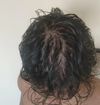
Minoxidil without propylene glycol is sought to avoid dermatitis, with Rogaine foam and Tecflox suggested as alternatives. Users discuss using foam to prevent irritation and suggest heating it for easier application.
A sugar gel was claimed to trigger hair regrowth, but users reported no results and potential cancer risks. The discussion included comparisons to minoxidil and skepticism about the effectiveness of the sugar treatment.
The conversation discusses hair loss treatments, including Minoxidil, finasteride, and RU58841. It also mentions ongoing human trials for hair multiplication/cloning at Yokohama National University, with skepticism about the timeline.
Creatine supplementation may increase DHT levels, potentially affecting hair loss. A study is examining this effect, with participants taking 5 grams of creatine daily for six months.
The conversation discusses using a combination of finasteride, spironolactone, minoxidil, retinol, azelaic acid, and caffeine for hair loss treatment. The user inquires about the limitations of these drugs and whether tretinoin would be more effective than retinol.
Stemson Therapeutics announced a breakthrough in hair growth technology using stem cells. Users discussed the potential high cost and skepticism about the treatment's accessibility.
Mixing RU58841 with cetosomal minoxidil is discussed due to scalp irritation from ethanol PG vehicles. A mixture of the two turned bright pink when left to dry.
Hair loss due to DHT is causing distress, with Minoxidil, finasteride, and RU58841 being potential treatments. The conversation includes humor and frustration about the topic.
Finasteride stops hair loss by blocking DHT, while Minoxidil promotes hair growth by increasing blood flow to hair follicles. Using both can help regrow hair, but results vary by individual.
Japanese scientists discovered ABM cells, enabling successful human hair follicle cloning, potentially curing hair loss. The treatment may be available in Japan by 2028, but it will be expensive and require travel.
An 18-year-old using 5% minoxidil topically and derma rolling weekly for 1.5 months shows visible hair growth progress. The user also addresses vitamin D deficiency and thyroid imbalance with medication.
PP405 is a potential hair loss treatment that may reactivate dormant hair follicles, with Phase 3 trials expected. Some users are cautious, suggesting using finasteride in the meantime, while others are skeptical about PP405's effectiveness.
The user experienced hair regrowth using a chewable combination of oral minoxidil and finasteride without side effects, unlike when taken separately. The treatment is from Hims, and the user is satisfied with the progress, especially on the crown.
The user is using 0.1% dutasteride, 1% minoxidil with 2% procapil and 0.005% caffeine in the morning, and 1% minoxidil with 2% procapil and 0.01% tretinoin at night. They are concerned about the solution vehicle's effectiveness in preventing systemic absorption and ensuring the products stay around the hair follicles.
Silicone and dimethicone in shampoos may hinder Minoxidil absorption, while Tretinoin and microneedling can enhance its efficacy. Users discuss applying Tretinoin before Minoxidil, waiting for it to dry first.
The conversation is about using a hair loss treatment combining 5% RU58841 and 5% minoxidil. The user is considering trying this formula after seeing it advertised.
BionicBell discussed using Bimatoprost, a medication typically for eyelash growth, for hair loss and mentioned a compounding pharmacy that can mix it with other ingredients like minoxidil and finasteride. They are seeking advice on using topical finasteride for female pattern baldness and are considering a custom foam combination to maximize hair growth results.