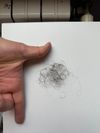
A user made a 70/30 ethanol/propylene glycol topical finasteride solution but noticed chunks at the bottom. The discussion focuses on this issue with the DIY hair loss treatment.
A 21-year-old male managed to control his hair loss using Nizoral, RU58841, and finasteride, but experienced increased scalp itchiness after starting creatine, which subsided upon stopping creatine. Users shared mixed experiences on whether creatine affects hair loss, with some reporting negative effects and others seeing no change or defending its benefits.
The conversation discusses the effectiveness of combining Laminaria japonica and Cistanche tubulosa extracts for hair growth. It also mentions treatments like Minoxidil, finasteride, and RU58841.
Federal funding cuts have delayed PP405 research, affecting hair loss treatment progress, though clinical trials will continue. The discussion highlights PP405's potential compared to minoxidil and finasteride and stresses the importance of government-funded research.
Winlevi (clascoterone 1%) is being discussed as a potential hair loss treatment. Users are considering its use despite concerns about its delivery method.
The conversation discusses RU58841, a compound for hair loss treatment, which was found to be effective in a 6-month trial but was not pursued due to financial issues or marketability concerns, not safety. Some users are considering crowdfunding to release the research data, while others discuss personal experiences and safety concerns with RU58841.
The user has been using topical finasteride and minoxidil since 2021 and is exploring other hair treatment companies like Xyon and Happy Head due to dissatisfaction with the current product's smell. They question the authenticity of consultations from these companies, suspecting they might be automated.
KX-826 is being discussed for hair loss treatment, with users debating between 0.5% and 0.9% solutions and foam. Some report side effects like headaches, while others see no changes; it blocks androgen receptors without reducing DHT levels.
The user improved their hair density and reduced scalp visibility by using 1% ketoconazole shampoo, 1mg finasteride, and 5% minoxidil, which increased their confidence. Replies discuss the effects of these treatments, with one clarifying that minoxidil does not affect hormones but finasteride does.
PP405 is a potential hair loss treatment showing promising early results, with hopes for market release by 2028, but skepticism remains due to inconclusive data and past disappointments with similar products. Current treatments like Minoxidil and Finasteride have side effects, leading some to anticipate PP405 as a safer alternative, though its effectiveness compared to placebo is debated.
Rating treatments for hair loss, with the help of GPT-4, according to efficacy, evidence and tolerability; a combination of chemicals from research papers, custom compounds, and some suggestions from other users were included.
The conversation discusses using propanediol as an alternative to glycerin in PG-free minoxidil for better absorption. The user also plans to try nanoxidil, which may absorb more easily due to its smaller molecule size.
The user has been using oral minoxidil for 4 years and durum wheat 3 days a week for 7 months, but is experiencing increased hair loss when washing hair. They suspect it might be due to decreased DHT levels and are seeking similar experiences from others.
Scalp inflammation may contribute to hair thinning, with treatments like ketoconazole shampoo potentially helping by reducing inflammation. Some users report that DHT blockers and other treatments like finasteride, minoxidil, and RU58841 can alleviate symptoms associated with inflammation.
The use of tropoelastin injections and verteporfin for hair transplant recipients to help regrow donor area hairs, as well as research done on tropoelastin injections restoring elastin in scarred heart tissue and skin. There are discussions about why it is taking so long to get cosmetic mass produced tropoelastin injectables on the market.
The conversation is about using vitamin C and Magnesium L-Threonate for hair growth by reducing DHT binding to dermal papilla cells. The original post about vitamin C's pH levels and sebum control was possibly removed by a moderator.
PP405 is not a cure for hair loss but may reactivate dormant hair follicles, similar to minoxidil. It is unlikely to help with miniaturized or vellus hairs and is still in trial phases, with availability expected around 2030.
PP405 shows some hair growth after 4 weeks, but results are debated and expectations should be tempered. Some users compare it to minoxidil or finasteride, questioning its effectiveness and commercialization timeline.
The user is exploring alternatives to hair transplants due to a weak donor area and is currently using finasteride, minoxidil, dermapen, low-level laser therapy, Nizoral shampoo, and a high-protein diet. They plan to switch to dutasteride and consider adding RU58841, while rejecting hair systems and considering a buzz cut.
JXL082 is not the same as PP405, leading to a halt in sales and a plan to synthesize the real PP405. There is skepticism about the safety and effectiveness of JXL082 and PP405, with concerns about patent issues and the long-term impact on hair growth.
OP is seeking recommendations for thickening tonics and decides to try Aveda thickening tonic after a suggestion. Another user recommends hair powder as an alternative.
PP405 is a promising hair growth stimulant but not a cure for advanced hair loss, as it may only help dormant follicles. Treatments like Minoxidil, Finasteride, and Dutasteride are discussed, with emphasis on early intervention for effectiveness.
High cost of studying 3α-Hydroxysteroid dehydrogenase in hair loss led to suggestions of crowdfunding for research. Users discussed using Procyanidin B2/melatonin topical treatment and tracking funds with blockchain.
A vegetarian with IBS is considering reintroducing fish to improve gut and hair health due to protein concerns. Suggestions include adding tofu, avoiding vegan protein shakes, and considering a more carb/fat dominant diet.
Human pluripotent stem cells have been used to create hair and skin, potentially offering a new solution for baldness. A user also mentioned starting finasteride but experiencing unexpected hair thinning.
Topical finasteride with hydroxypropyl chitosan shows significantly less serum absorption and minimal DHT reduction compared to oral finasteride. Users need the specific chitosan formulation to avoid side effects seen with regular ethanol+PG solutions.
Hair loss treatments discussed include leave-in conditioner, volumizing powder, styling products, and hairspray for thicker appearance without fibers. User shares routine and product suggestions for people with thin hair that lacks volume.
A user is considering adding PRP and mesotherapy to their hair loss treatment and is deciding between two options: Promoitalia, which contains Phosphatidic acid, Riboflavin, and Superoxide dismutase, and the more expensive Melsmon, a human placenta derivative. They seek advice on which option to choose based on effectiveness and scientific backing.
Curly and wavy hair can make hair loss appear worse due to clumping, but using less product, shorter cuts, and leave-in conditioner can help manage appearance. Minoxidil and finasteride are considered for treatment, and some find that styling can hide thinning areas.